15 Safety Tips to Practice if Your Bike Is at Home
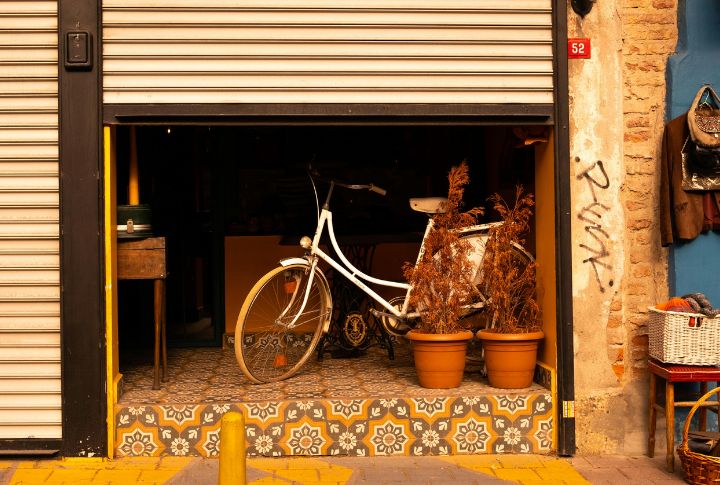
Protecting your bike at home is as important as securing it on the road. Whether you’re worried about theft, weather damage, or general wear and tear, taking proactive steps to safeguard your bicycle will give you peace of mind. Here are 15 ways to ensure your bike stays safe and in top condition when not in use.
Invest in a Quality Frame Lock

A durable, high-quality lock is the foundation of bike security. Opt for a U-lock or heavy-duty chain lock resistant to bolt cutters or other tools. Always secure the frame and wheels to a sturdy, immovable object, and ensure the area is well-lit to deter potential thieves.
Keep It Out of Sight
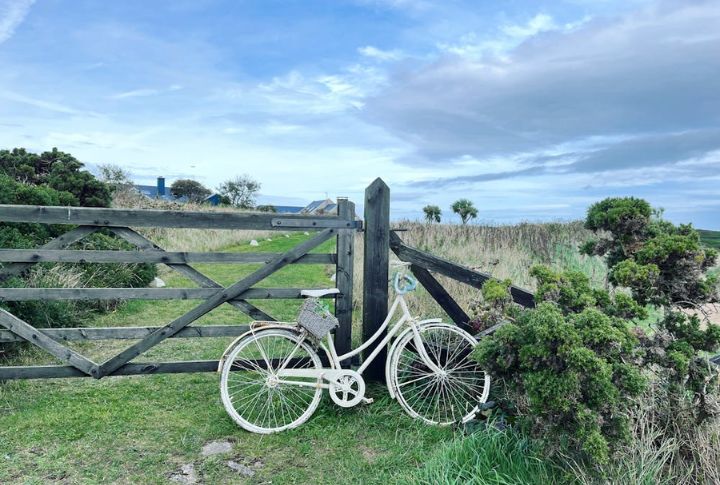
When storing your bike outdoors, keeping it out of sight is essential to reducing the chances of theft. Park it in a secluded area, behind a fence, or in a less visible location. Thieves are less likely to nick bikes that aren’t easily seen from the street or sidewalk.
Store Indoors When Possible
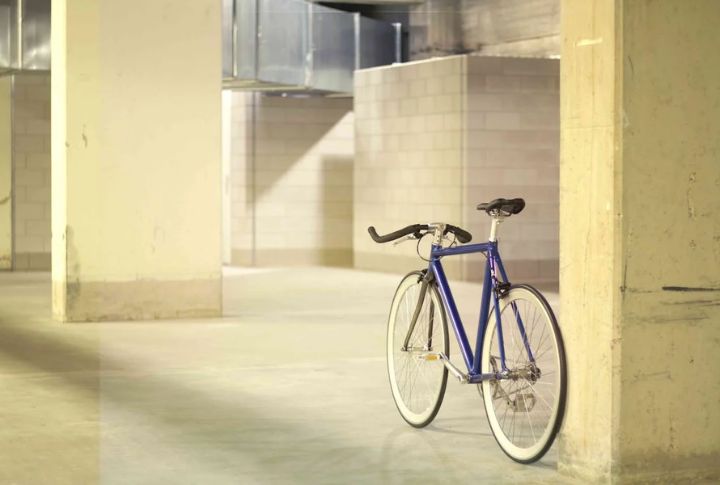
Indoor storage is one of the best ways to protect your bike from theft and harsh weather. Keep your bike in a garage, shed, or designated bike storage room whenever possible. It will make it harder for thieves to see and snatch it.
Use a Bike Rack
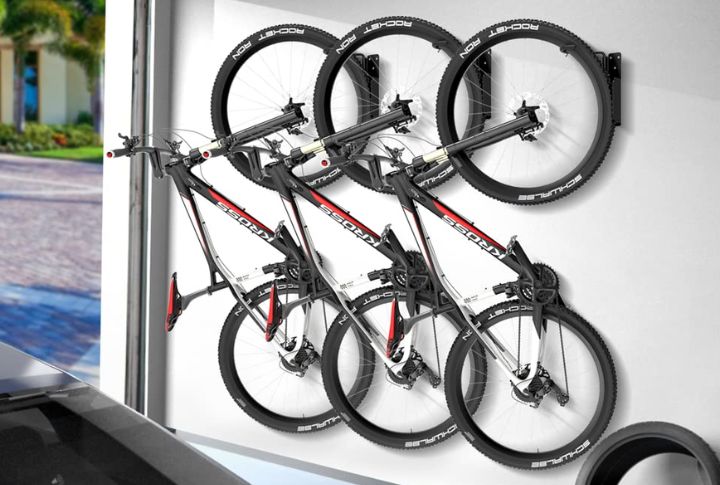
A vertical bike rack is a wise investment for homes with limited space. In addition to freeing up floor space, it decreases the chances of accidental bike damage. These racks save space and ensure your bike stays secure and protected from falls.
Remove the Chain

As grimy and cumbersome as this might be, it is one sure way to deter thieves. An unchained bike adds an extra level of security since the rider must place the chain in position before getting away. Very few thieves will forgo a quick snatch-and-grab and take the time to replace a chain on a bike.
Install Security Cameras

Installing visible security cameras near your bike storage area adds an extra layer of protection. Cameras not only deter thieves but also provide valuable evidence if a theft occurs. This security measure gives you peace of mind, especially if you store your bike outside.
Use Wheel Locks
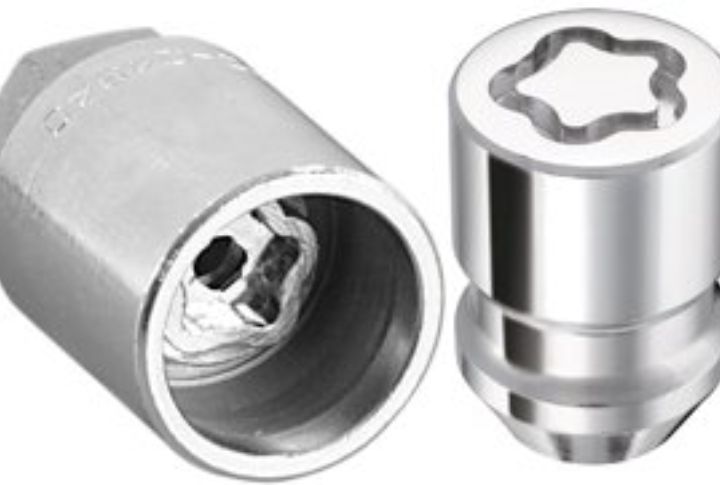
Wheel locks provide additional security for your bike by immobilizing the wheels. This makes it harder for thieves to ride away even if they cut the frame lock. Combined with a sturdy frame lock, wheel locks offer a comprehensive defense that significantly reduces the chances of theft.
Mark Your Bike

Engraving your bike with identifiable information, such as your name or a unique serial number, is a smart way to deter theft. Marked bikes are harder to sell, making them less attractive to thieves. If your bike is stolen, the markings can also assist law enforcement in its recovery.
Use Reflective Tape or Stickers

Reflective tape or stickers make your bike more visible in low-light conditions and can help identify if it is stolen. Unique, reflective markings make it easier for authorities to recognize your bike and increase your safety when riding at night.
Secure Accessories
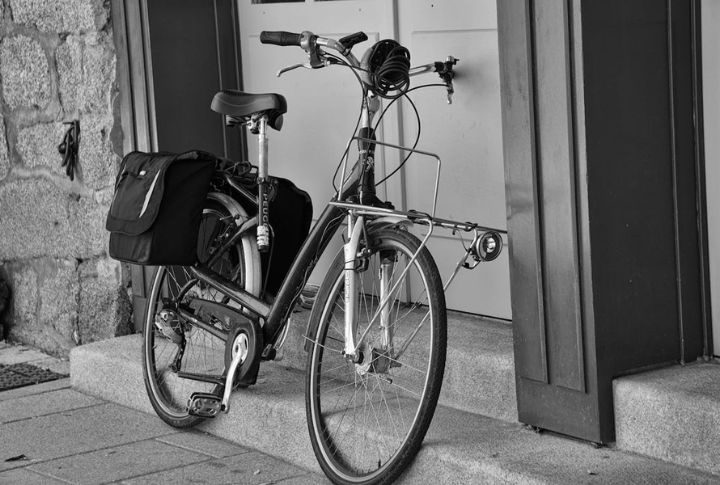
Don’t overlook securing smaller accessories like lights, saddlebags, and helmets. Thieves often target these items, especially when they’re easy to remove. Use quick-release locks or store accessories indoors when your bike is unattended to ensure that these valuable items are also protected.
Create a Dedicated Storage Space

Designating a specific area for your bike and cycling gear helps keep everything organized and within easy reach. This reduces clutter, makes it easier to maintain your bike regularly, and minimizes the risk of accidental damage. It also provides a secure location to monitor your bike.
Use a Bike Cover
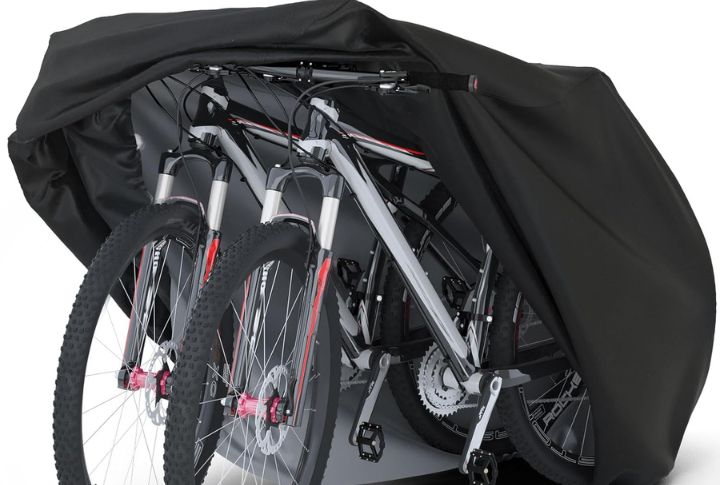
Invest in a durable bike cover if outdoor storage is your only option. A high-quality cover protects your bike from rain, snow, and UV rays that can lead to rust and wear. Ensure the cover has secure fastenings to prevent the wind from blowing away, exposing your bike.
Check Local Regulations
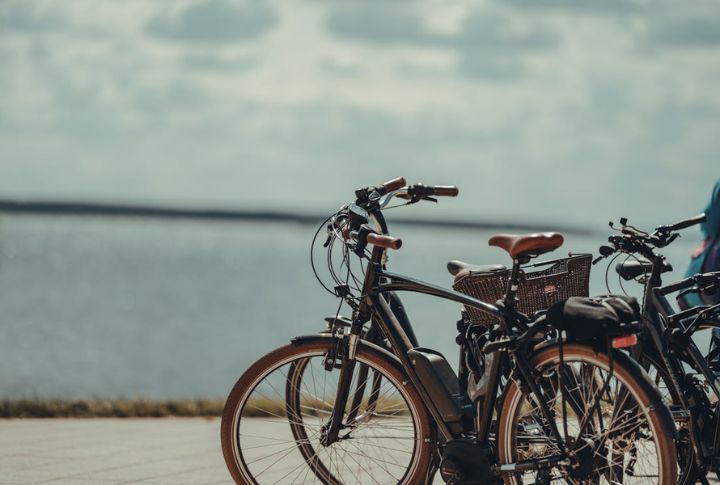
Local laws and regulations regarding bike storage can vary. Some cities have specific rules about where and how bikes can be stored in public or residential areas. Familiarizing yourself with these regulations can help you avoid fines, penalties, or even impoundment of your bike.
Be Mindful of Weather Conditions
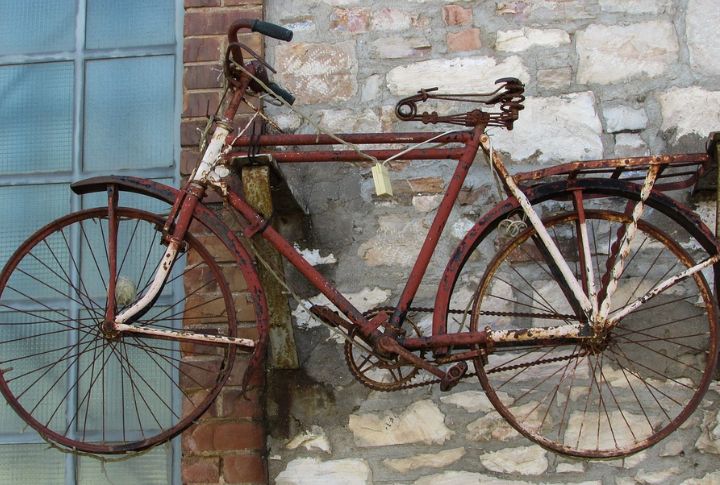
Extreme weather can severely damage a bike, especially if left outside for extended periods. Protect your bike from heavy rain, snow, and sun by using covers or moving it to a sheltered location. Regularly check on your bike during bad weather to ensure it remains secure and undamaged.
Remove the Front Wheel

Removing the front wheel might deter sticky hands if you plan on storing your bike for long periods. It sounds far-fetched until you consider the last time you saw someone ride a bike without the front wheel. Before you even bring it up, no unicycles don’t count.