15 Iconic Cars Named After Birds
Manufacturers draw inspiration from various sources, such as compelling concepts or aesthetics, when naming cars. A common theme that emerges is naming cars after birds, connecting these vehicles to ideas of speed, grace, or freedom. Mind you, this list only includes cars released in the 20th century. Also, look for something other than the Pontiac Firebird or other mystical creatures.
AMC Eagle
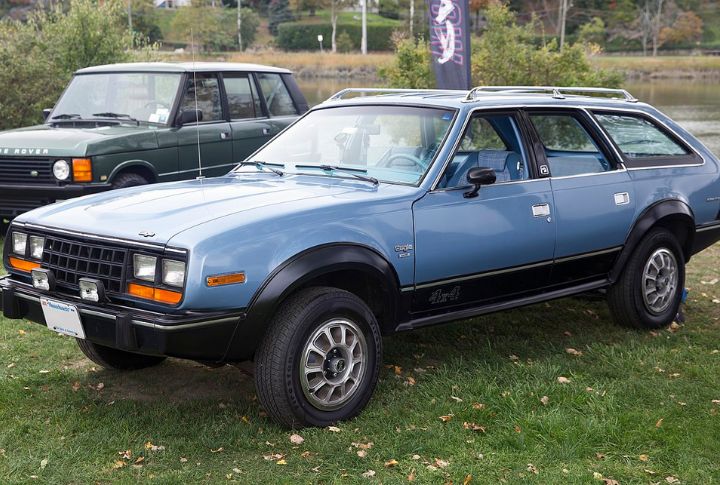
The AMC Eagle is one of the first cars to own the term “crossover SUV.” The station wagon continued the AMC Concord but was further off the ground and had an all-wheel drive. This combination made it perfect for those who wanted a car that could handle city streets and light off-road adventures.
Buick Skylark
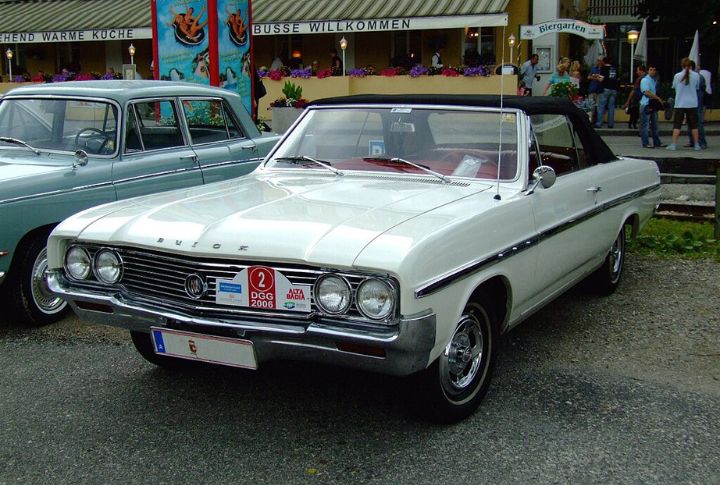
The Skylark was a significant shift from Buick’s traditional models, which were large, luxurious sedans. Despite its smaller size, it had a surprisingly spacious interior for passengers and cargo. The Skylark has features like plush seating, chrome accents, and a wood-grained interior trim (on higher-end models) to maintain a connection to Buick’s heritage.
Brasinca Uirapuru
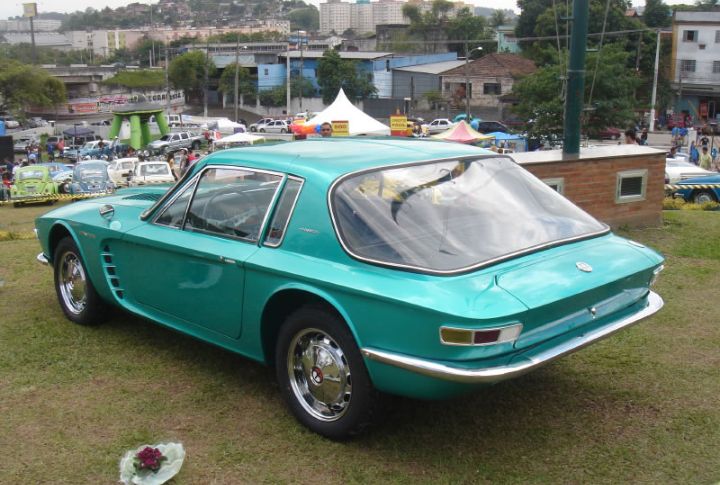
Built by Brasinca, a company known for trucks and car parts, the Uirapuru aimed to show the world they could manufacture high-performance vehicles. All 77 coupes had a 4.2-liter Chevrolet inline-six engine that produced about 70 HP. Like the uncommon uirapuru or musician wren bird, this car is also a limited edition.
Ford Bantam
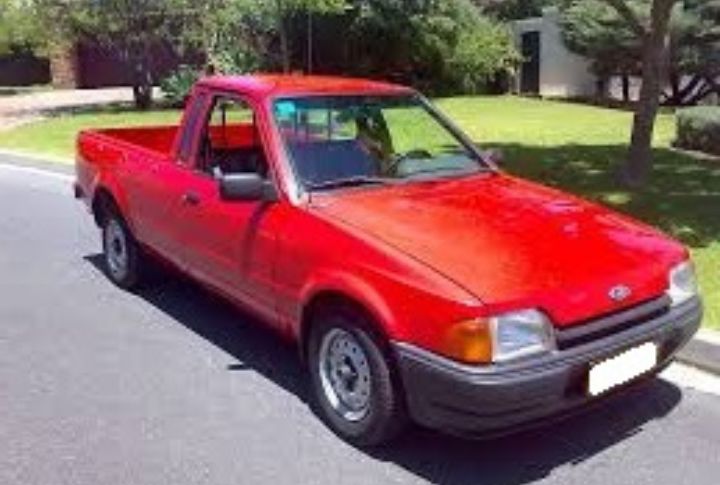
The Bantam wasn’t a direct import as Ford specifically built it for the South African market. This focus on local needs and preferences made it loved by families, businesses, and outdoor enthusiasts. The first generation modeled the build Escort Mk3’s build, and the second had engine options, including a diesel variant.
Ford Falcon
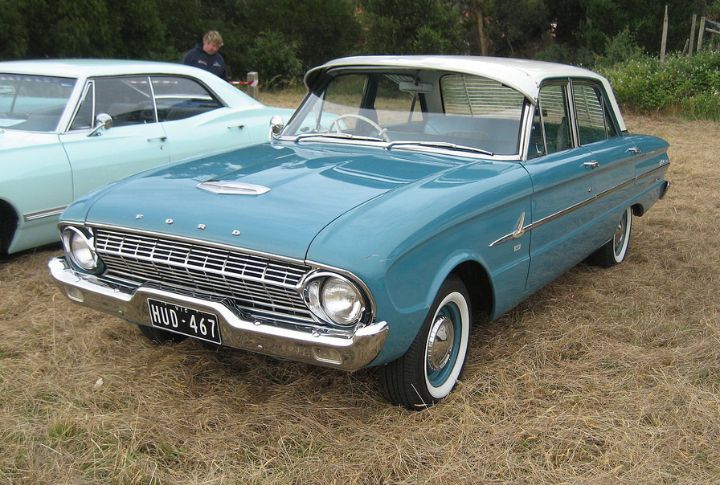
The Ford Falcon is a nameplate that has spanned several generations and continents. The company sold it in Australia, Argentina, and America as various body types, including family sedans and muscle cars. Its spacious interior and powerful six-cylinder engine made it the ideal economical option for families.
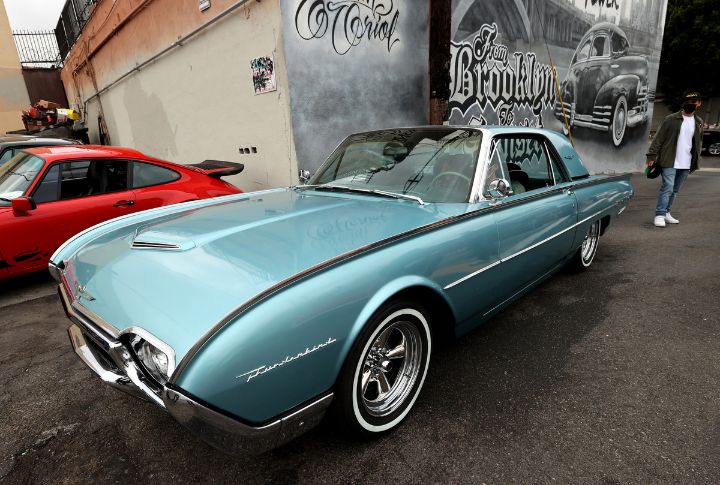
Ford Thunderbird
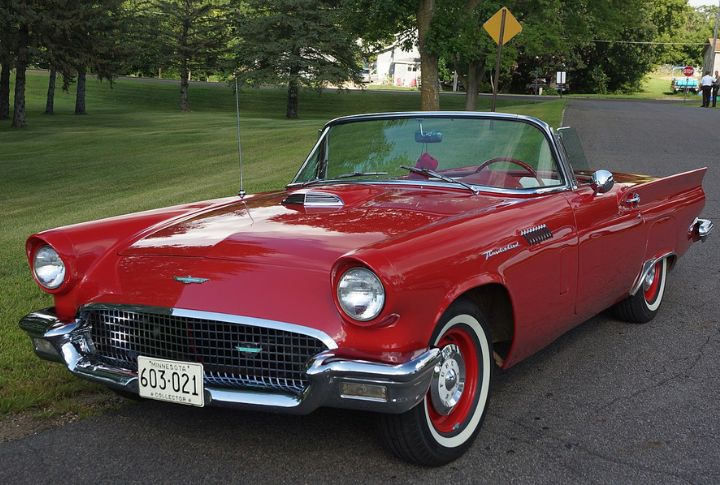
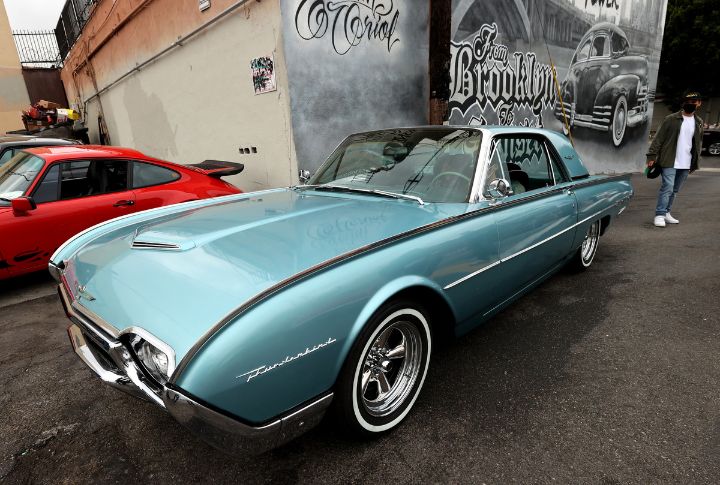
Inspired by the success of the Chevrolet Corvette, Ford created the Thunderbird in 1955 as a stylish and sporty two-seat convertible. Experts say it lasted over four decades because it entered the market at a perfect time when people preferred to buy personal luxury cars. The first generation T-Bird had a powerful V8 engine, a detachable fiberglass hardtop, and a folding fabric roof, making it a head-turning boulevard cruiser.
Humber Hawk
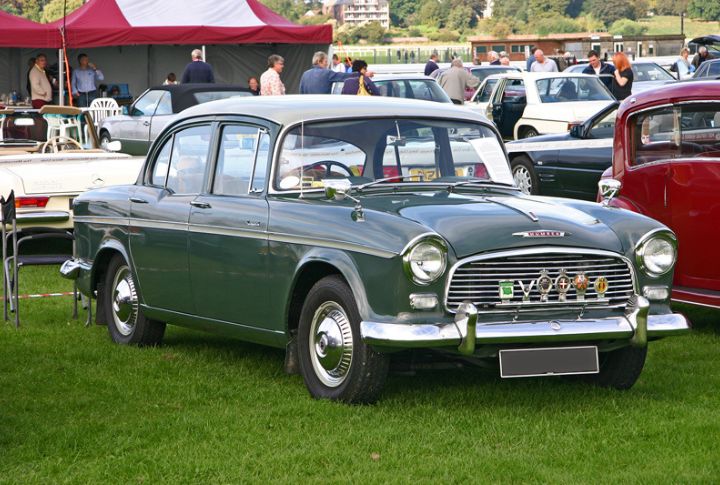
This British car wasn’t just one car but rather a nameplate that spanned three generations and variations. The Humber Hawk debuted in 1945 as a re-badged version of the Hillman 14 but with modifications like headlights, front wings, and a more powerful engine. The Hawk was Humber’s first car launch after World War II.
Humber Snipe
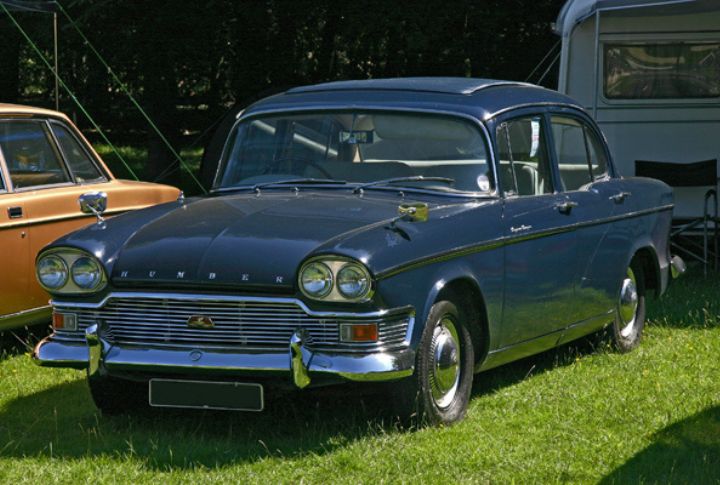
Humber Limited produced the Snipe from 1930 to 1967 to represent the standards of British luxury and performance. The premium mid-size car had a powerful six-cylinder engine and a spacious, comfortable interior. Early Snipes had progressive features like hydraulic brakes, while later models were luxury cars that attracted a distinguished clientele of celebrities, royals, and professionals.
Hupmobile Skylark
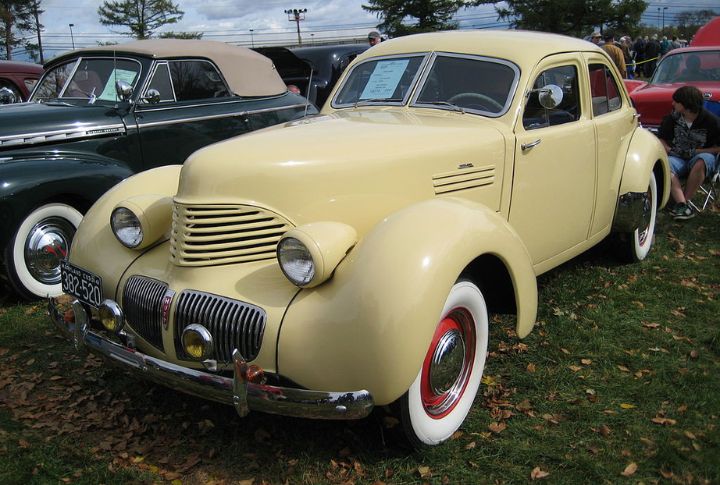
Though short-lived, the Skylark was significant in auto history because it was a last-ditch effort by a struggling Hupp Motor Company. It had a new body but rode on a modified Huppmobile chassis, using its straight-six engine Hemmings. To achieve this, the company commissioned John Tjaarda, the designer of the Lincoln Zephyrbto, to redesign the Cord’s front end, deviating from their usual conservative designs.
Nissan Bluebird

The Bluebird debuted in Japan as a small, economical car. Over time, it grew in size and became a mainstay in the compact car segment across the globe. However, Nissan marketed the vehicle under the Datsun brand outside Japan. While the early boxy sedans marketed fuel efficiency, the later 510 model established its reputation for sporty performance.
Pontiac Sunbird
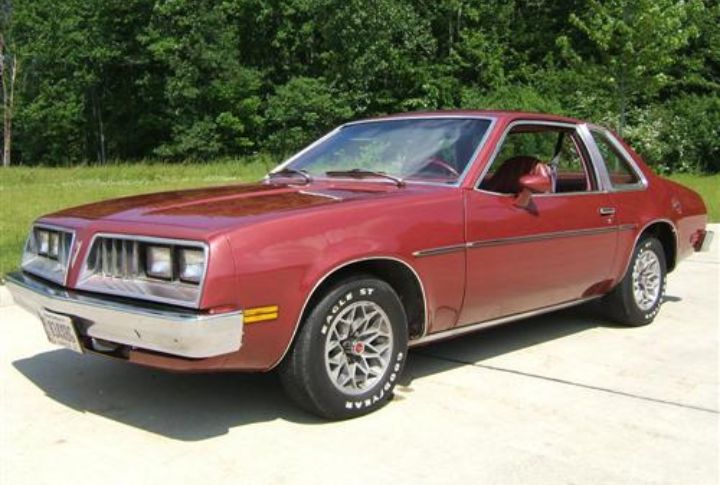
In 1976, the Sunbird filled the gap between the smaller Pontiac Astre and larger Ventura/Phoenix models. It competed against other sporty compacts of the era, like the Ford Mustang II and the Chevrolet Monza, due to its varying engine options, including an economical four-cylinder and a more powerful 3.1L V6. Regarding body styles, buyers could choose the two-door coupe or the three-door hatchback.
Riley Kestrel
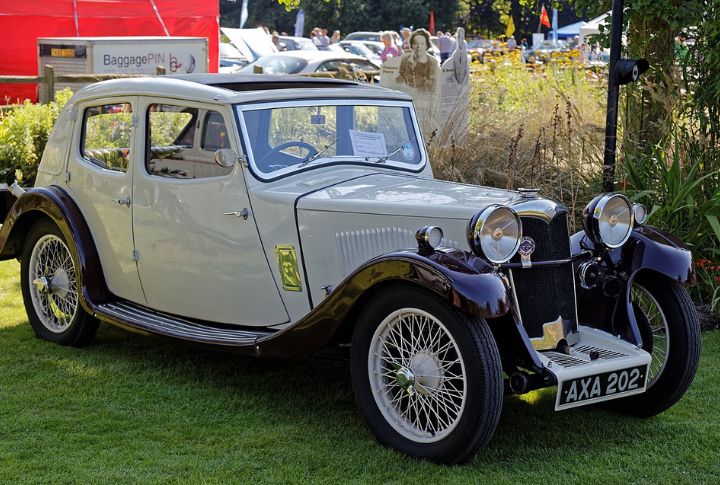
The Riley Motor Car Company used the Riley nameplate for this initial model and several successors. It featured in various saloon cars throughout the 20th century. The first model was a four-seat saloon with a distinctive design to express speed and elegance.
Simca Aronde
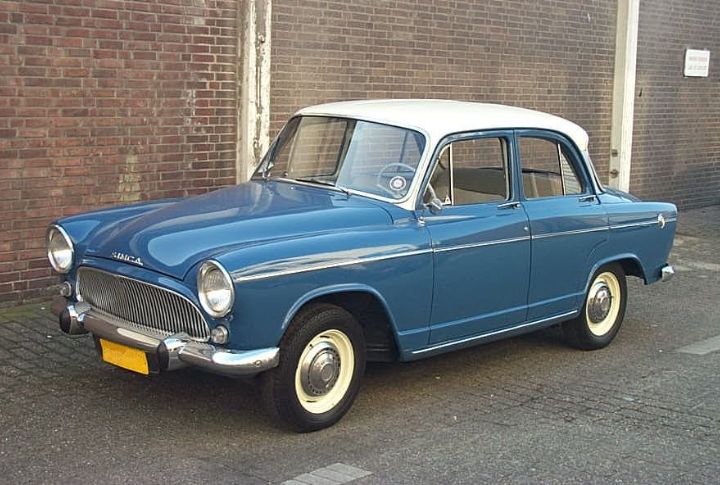
The Aronde arrived when France was recovering from World War II. It was practical, affordable, and stylish enough for a nation rebuilding its infrastructure and economy. However, the Aronde wasn’t entirely a new design; it evolved from the Simca as a family of vehicles with different body styles. Buyers could choose from a four-door sedan, wagon, or a light commercial vehicle.
Studebaker Hawk
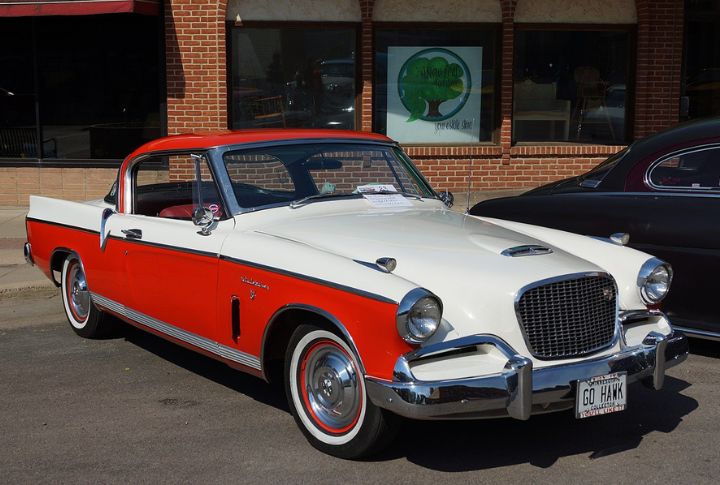
The Hawk was a range of models known for their design and impressive performance. Studebaker introduced the series as “family sports cars” with two doors and four seats. It also had a look that appealed to drivers who wanted a mix of luxury and performance. The last vehicle the carmaker released was the Gran Turismo Hawk, which they discontinued in 1964.
Kissel White Eagle
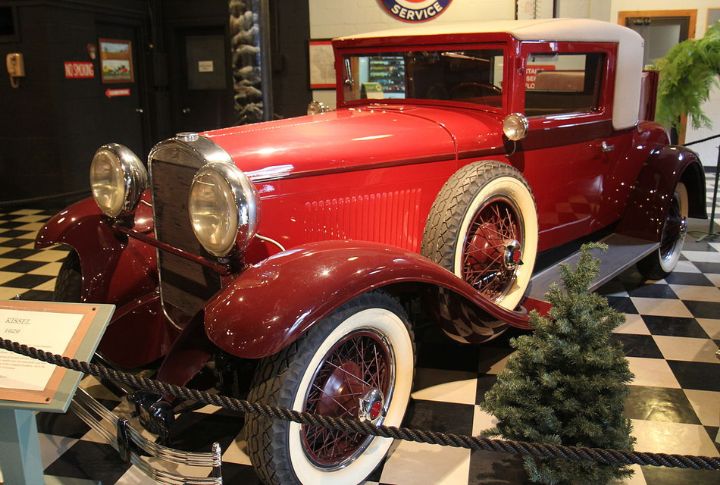
The Eagle wasn’t just one car but a range of luxurious automobiles built by Kissel in Wisconsin. Owners commonly regarded them as “American eagles on wheels” because they looked majestic and represented the upper class. They had posh leather interiors, woodgrain accents, and all the latest tech available back then.