15 Classic Cars That Were Legendary for Their Twin Turbos
A turbocharger increases the efficiency and power output of a car’s engine by forcing extra compressed air into the combustion chamber. Twin-turbo cars first appeared in the American auto industry in the early 1980s. They had more performance and speed because two turbos worked together to pump out more power. This listicle includes not just any twin-turbo vehicle but models like the Nissan 300ZX and Toyota Supra that achieved classic status.
1981 Maserati Biturbo
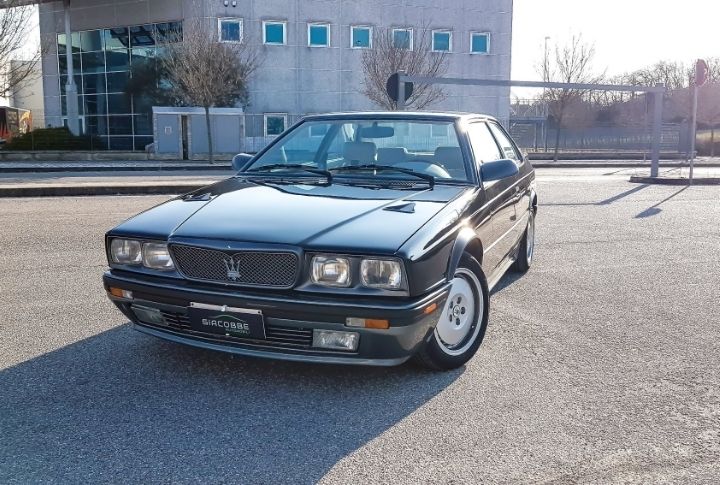
When Maserati launched the Biturbo in 1981, it was their first attempt at a more affordable and higher-volume sports car compared to their usual grand tourers. True to its name, “Biturbo” means “twin-turbo,” and this little Maserati packed a punch. The twin-turbocharged engines of this beautiful car had a V6 that produced impressive performance for the time.
1990 Mitsubishi 3000GT
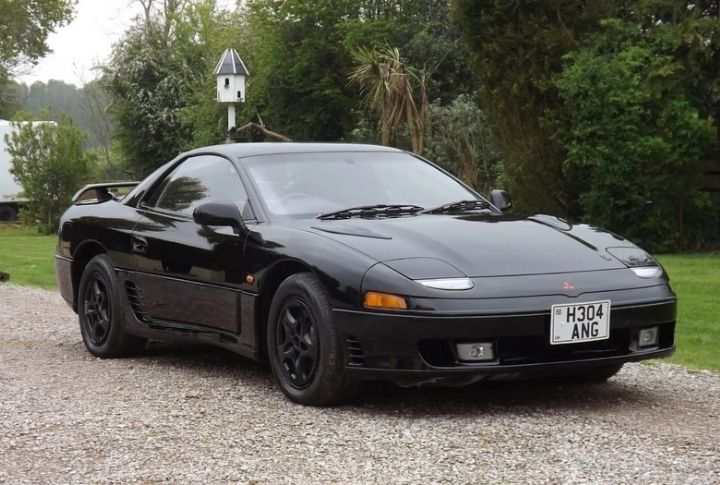
The 3000GT allowed owners to enjoy insane acceleration and impressive handling with a 3.0L V6 engine, available in naturally aspirated and potent twin-turbo variants. The 3000GT had active aerodynamic features, including a pop-up rear wing that adjusted for downforce, four-wheel steering for sharper cornering, and electronically controlled shock absorbers for a smooth ride. The racing game legend also had an all-wheel drive (AWD) for enhanced grip.
1996 Lotus Esprit V8
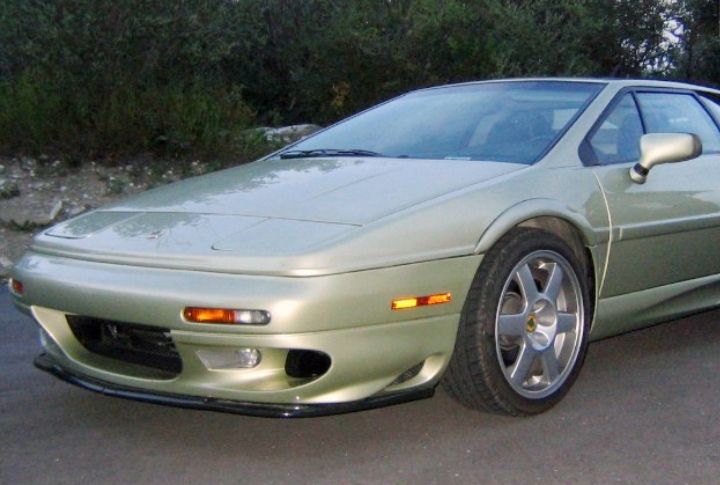
For years, enthusiasts wanted Lotus to put a V8 engine under the Esprit’s hood. In 1996, Lotus finally built their lightweight and powerful 3.5L twin-turbo V8 engine, producing 355 HP. This unleashed a beast that could accelerate from 0-60 mph in just 4.4 seconds and had a top speed exceeding 175 mph. Two years later, they added the V8 lineup in the SE trim to the base model.
1984 Ferrari 288 GTO
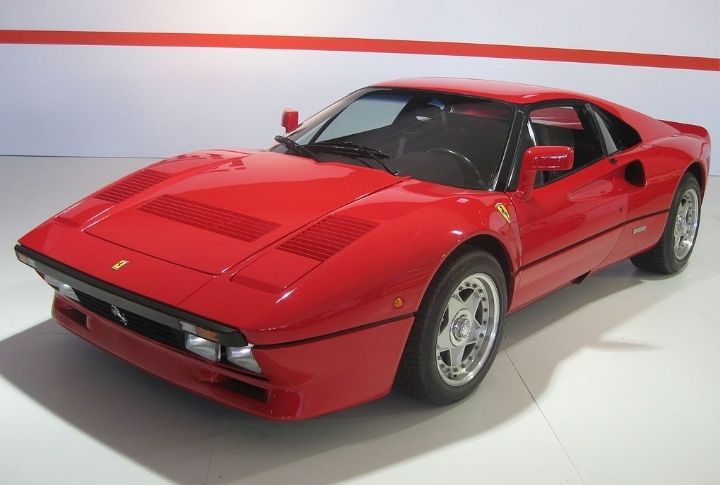
Ferrari built this model as a street-legal version of a race car intended to compete in the Group B rally series. The “GTO” stands for “Gran Turismo Omologato” or “Grand Touring Homologated.” The 288 GTO used a de-bored version of the 308’s 3.0L V8 engine. However, it added twin turbochargers, boosting power to a significant 400 horsepower (compared to the 308’s 240 horsepower). The designer built this lightweight machine from a mix of Kevlar, fiberglass, and aluminum, with only steel doors for safety reasons to get 1160 kg (2557 lbs).
1989 Nissan 300ZX
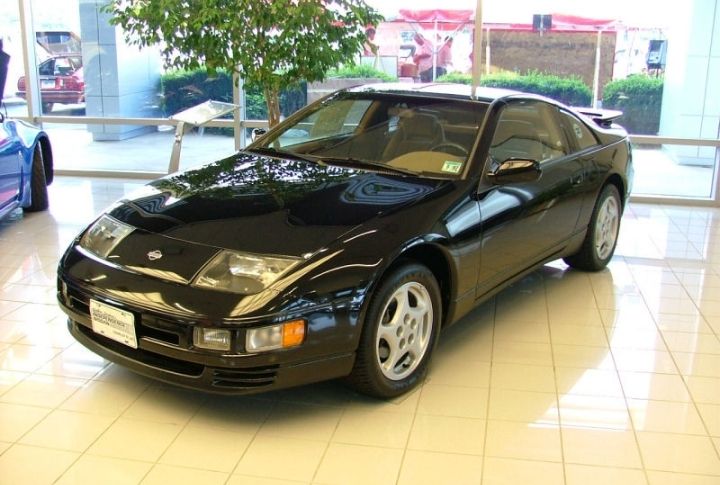
Unlike its predecessor, the Z32 had a potent twin-turbocharged 3.0L V6 engine as the sole option. This powerhouse churned out 283 HP (later bumped to 300 HP). Besides performance, Nissan added several advanced features to this two-seater 300ZX. It had a four-wheel multi-link suspension for exceptional handling and a sophisticated four-wheel steering system (on some models) for maneuvering. Buyers could also choose the traditional coupe body style or the T-Top variation with removable roof panels.
1993 Toyota Supra Mk4
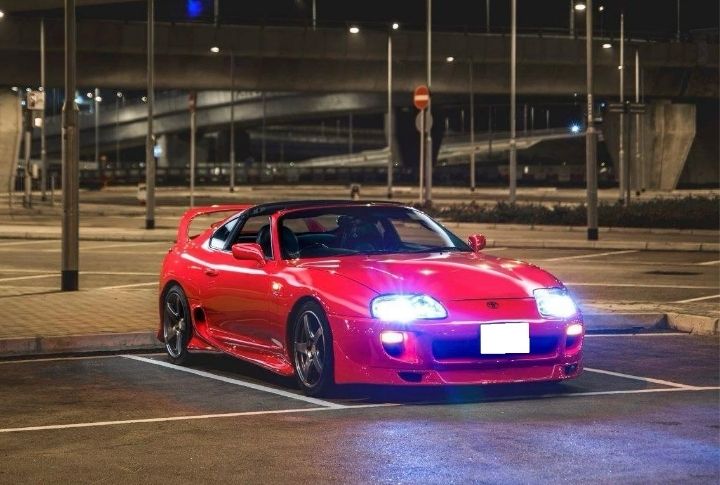
The Supra Mk4 represents the Japanese Domestic Market (JDM) performance car culture. The heart of this machine had a 3.0L 2JZ-GTE twin-turbocharged inline-6 engine. While the factory is limited to 320 HP (due to Japanese regulations), this car could explode past its stock numbers with the right tuning. Since production ended in 2002, this vehicle has become a highly sought-after collector’s item. It came in two body styles: a coupe and a targa top with a removable roof panel.
2000 Mercedes-Benz CL600
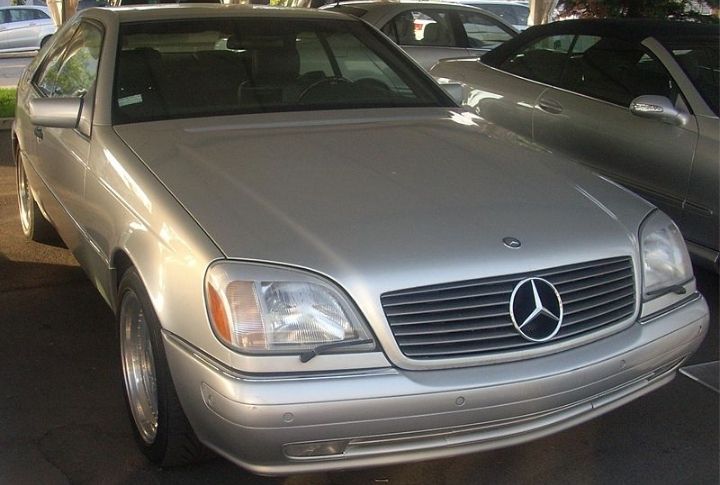
The Mercedes-Benz CL600, produced from 2000 to 2006, has a monstrous 5.8L twin-turbocharged V12 engine. Despite its weight and luxurious look, this two-door grand tourer could go from 0 to 60 mph within 4.6 seconds because it had an impressive 493 HP and 568 lb-ft of torque. It also has high-tech features like an Active Body Control (ABC) suspension system for better handling and comfort.
1998 Bentley Arnage T
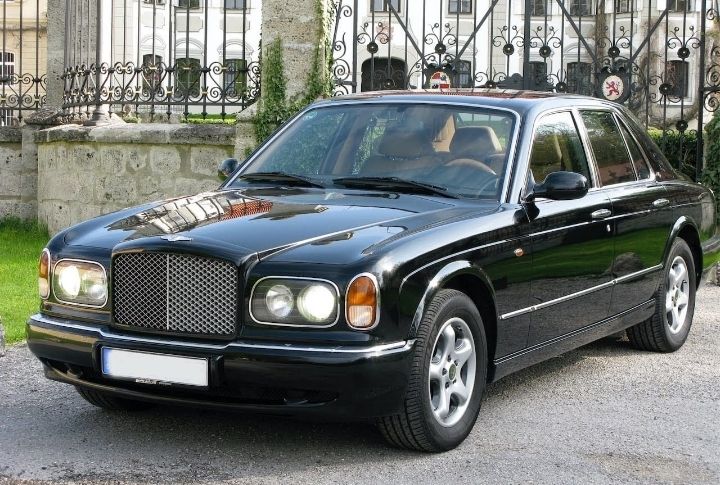
While previous models had naturally aspirated siblings, the Arnage T had a potent twin-turbocharged 6.7L V8 engine. This powerhouse delivered exhilarating performance from 375 HP in early models to a staggering 500 HP in later versions. Its cabin was made of high-quality materials like leather and wood, and the seats were contoured, breathable vinyl for passenger comfort.
1998 Maserati 3200GT
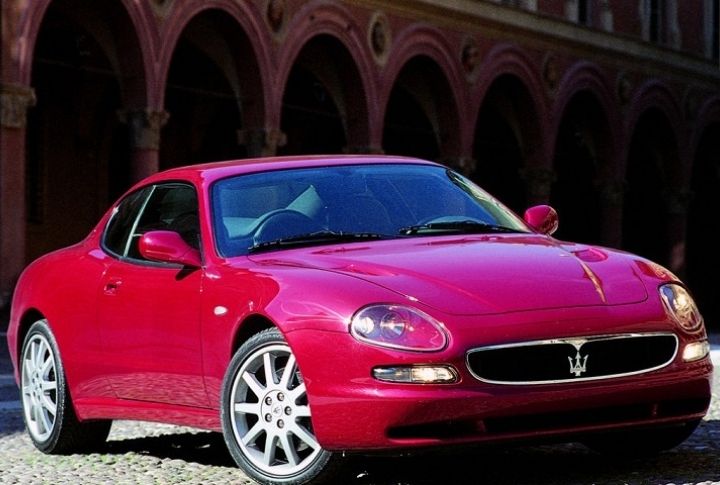
When Maserati wanted to return to their heritage of luxurious, high-performance four-seaters, they built the 3200GT to replace the Shamal as their flagship grand tourer. To ensure this machine lived up to its name, they added their first ever 3.2L twin-turbocharged V8 engine, which produced 370 HP. Its design was a collaboration between Italdesign, founded by Giorgetto Giugiaro (designer of iconic Maseratis like the Ghibli and Bora), and Enrico Fumia.
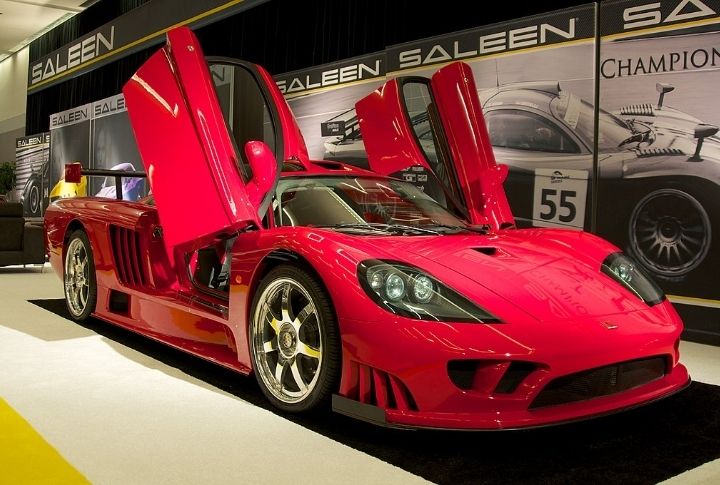
2005 Saleen S7 Twin-Turbo
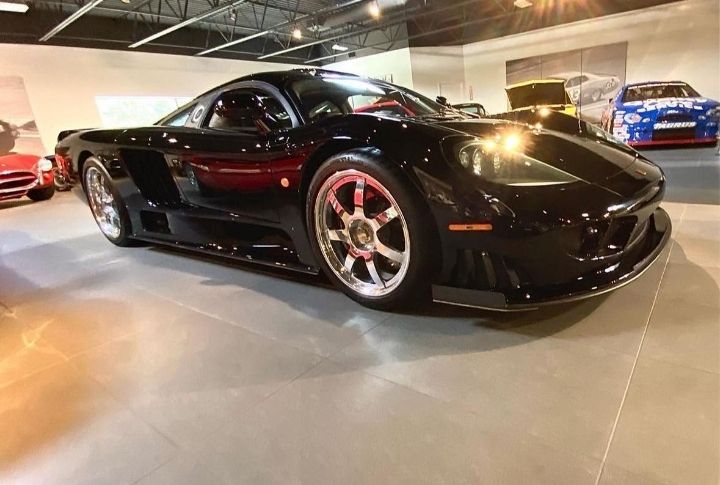
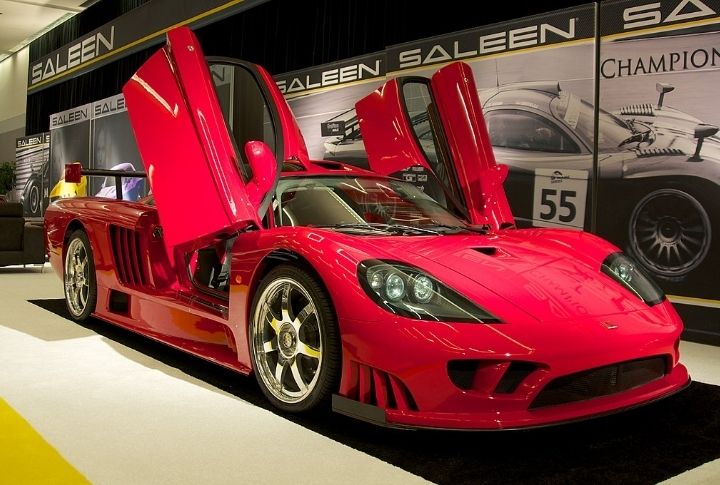
The heart of the Saleen S7 Twin-Turbo was a 7.0L twin-turbocharged aluminum V8 engine developed in-house by Saleen engineers. This American muscle produced a whopping 750 HP. With extra help from its lightweight construction, the S7 Twin-Turbo could rocket from 0 to 60 mph in a blistering 2.8 seconds and achieve an estimated top speed of 248 mph (399 km/h).
1992 Mazda RX-7 Mk3
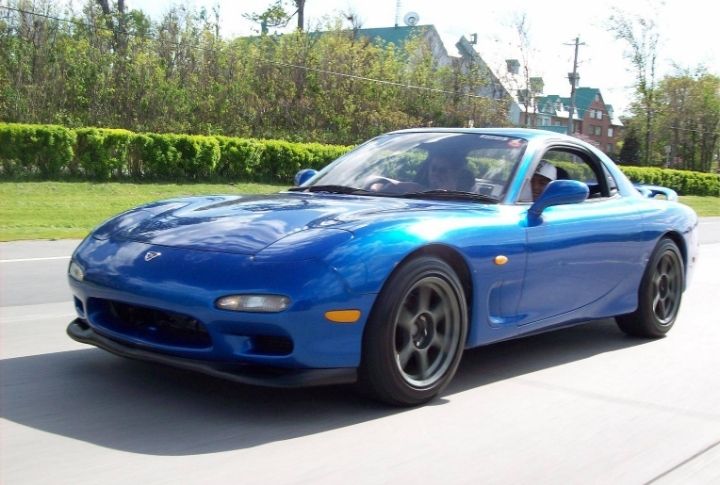
The RX-7 FD’s twin turbochargers were different from your average setup. They had a sequential system, with a smaller turbo spooling up quickly at lower RPMs and a larger one kicking in at higher revs for a smooth and continuous stream of power. The RX-7 FD also had a twin-turbocharged 1.3L rotary engine that delivered up to 280 HP in later models. Since the designers wanted agility and driver engagement, they used lightweight construction with a near-perfect 50:50 weight distribution.
1989 Vector W8
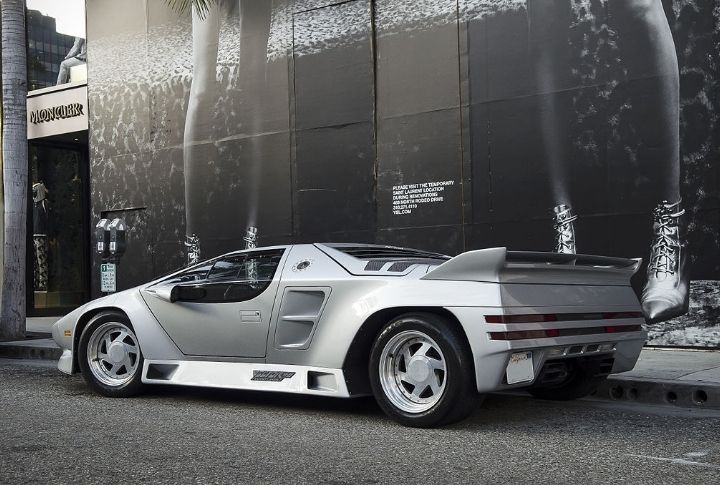
The Vector W8 was a bold attempt by a small American automaker to enter the high-stakes world of supercars. It was the brainchild of designer Gerald Wiegert, who initially envisioned it as the Vector W2 prototype in the 1970s. After securing funding in the late 1980s, Wiegert’s dream became a reality, and the W8 hit the market. Although this vehicle didn’t bring in the process sales, it had a powerful 6.0L twin-turbocharged V8 engine with an impressive 600 HP that competed with other established European supercars.
1986 Porsche 959
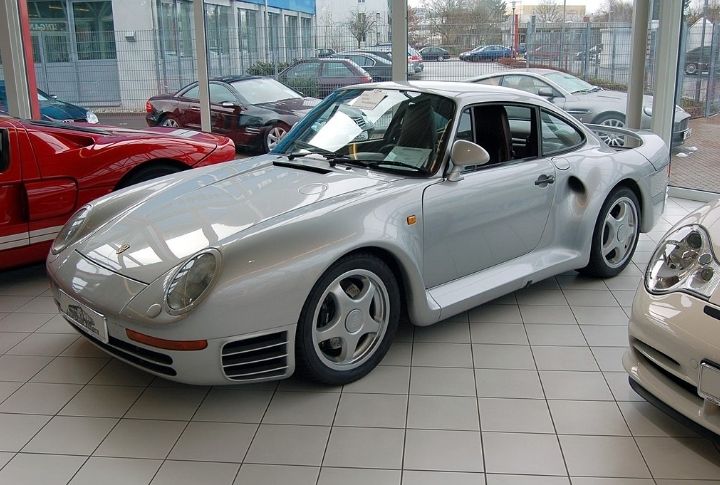
The 959 was born from Porsche’s desire to compete in the brutal Group B rally series. However, when rule changes affected participation, they cleverly adapted the car for road use to homologate it for racing. It had a 450 HP 2.85L twin-turbocharged flat-six engine that later increased to 493 HP. The 959 was intended for something other than mass production, and Porsche built around 340 units plus 37 additional prototypes and pre-production cars.
1987 Ruf CTR
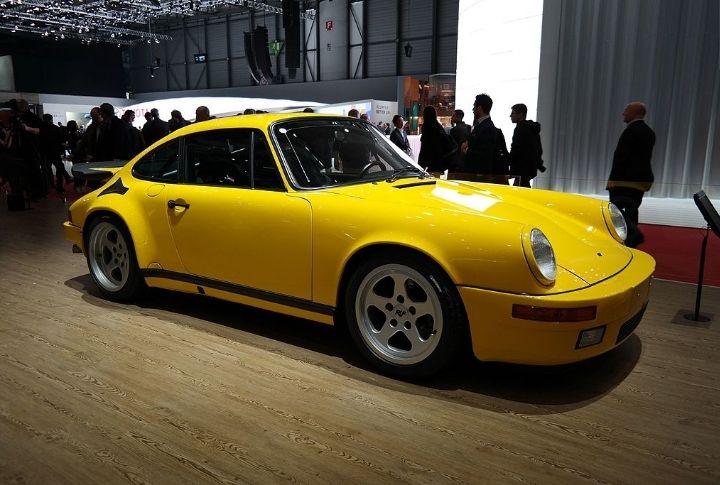
The CTR started life as the Porsche 911 Carrera 3.2, but German tuner Ruf Automobile transformed it by strapping twin turbochargers to a 3.4L flat-six engine. This combo produced up to 470 HP and then 710 HP in recent models, according to the brand’s official website. As if that wasn’t enough, Ruf added lightweight materials like Kevlar and carbon fiber throughout the car, making it a lean monster. The carmaker never intended the Ruf CTR for mass production, so they decided to build 50 units at most.
1990 Vauxhall Lotus Carlton
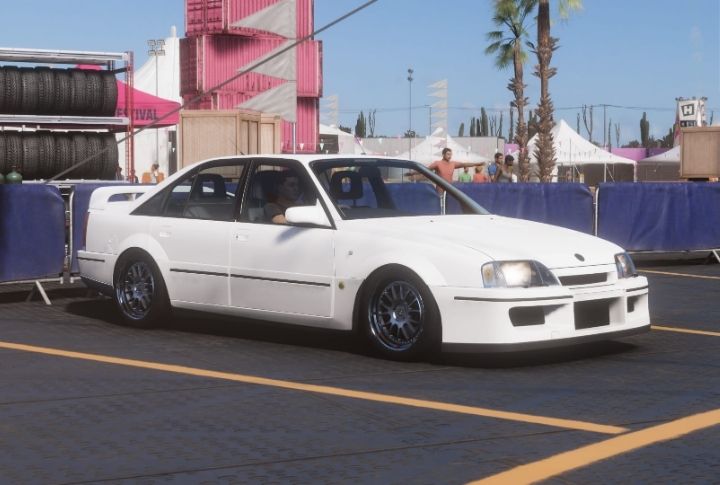
The Vauxhall Lotus Carlton, also known as the Opel Lotus Omega in some markets, was a homologation special that surprised everyone. While the Vauxhall Carlton was common on European roads, Lotus built lightweight, agile sports cars. This car had a 377 HP 3.6L twin-turbocharged inline-6 engine, heavily modified from the standard Carlton engine. With a top speed of 176 mph, it could rival most prestigious sports cars at the time.