10 Key Factors Driving the Growing Trend of Longer Car Ownership

In 2014, the average age of trade-ins for new cars was 5.3 years, while today, it’s 6.1 years. Used vehicles have seen a similar trend, with the average age rising from 7.9 years to 9.4 years. This shift highlights a growing trend of car owners keeping their vehicles longer, and here are ten reasons why.
Emotional Attachment
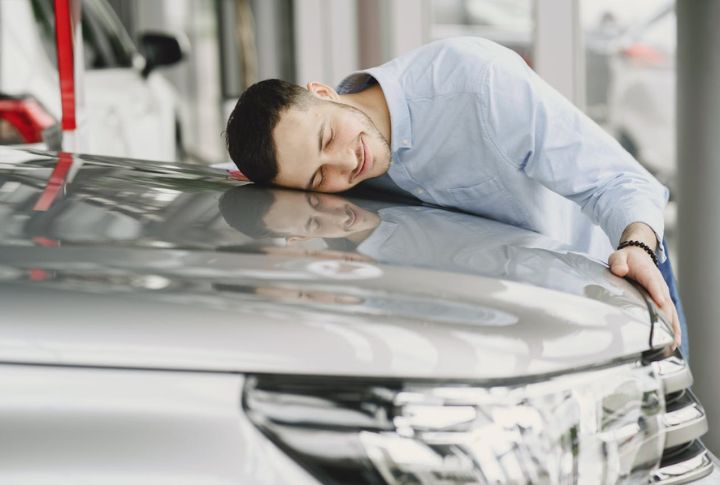
Cars are more than just machines—they’re vessels of memories. Every scratch and ding holds a memory, and for many, their vehicle is a cherished part of the family, not just an object. In fact, a significant number of car owners hold on to their cars for emotional reasons. That’s loyalty on wheels.
Superior Craftsmanship

Older models often showcase craftsmanship that modern mass production cannot replicate. For example, vehicles from the 1970s are praised for their sturdy steel frames with caveats when it comes to fuel efficiency. If you commute less because you work from home, trading it in might feel like swapping art for plastic.
Depreciation Impact

Purchasing a new car isn’t just an upfront financial commitment—it also comes with the inevitable depreciation hit. In the first year alone, a new car can lose up to 20% of its value. This rapid decline means that within just a few months, your new vehicle could be worth significantly less than what you paid for it.
Customization and Personalization
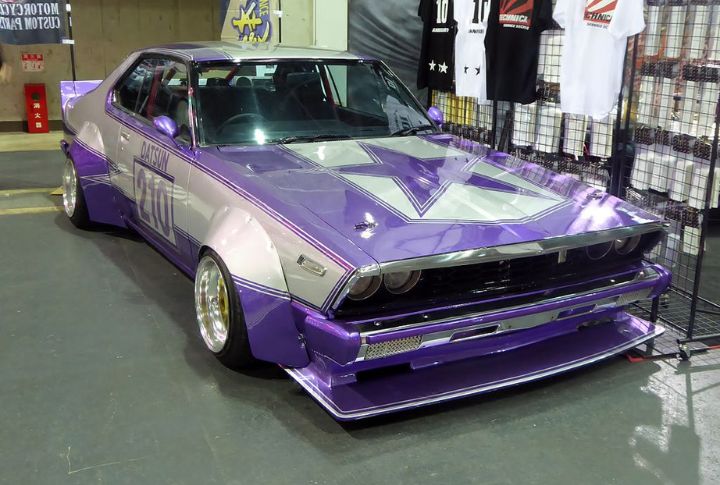
How do you replace a car you’ve transformed into something uniquely yours? Aftermarket modifications—rims, spoilers, or custom interiors—turn stock vehicles into personal masterpieces. According to Market Research Future, car customizations are on an all-time rise, estimated to reach $344 billion by 2032.
Mechanical Simplicity
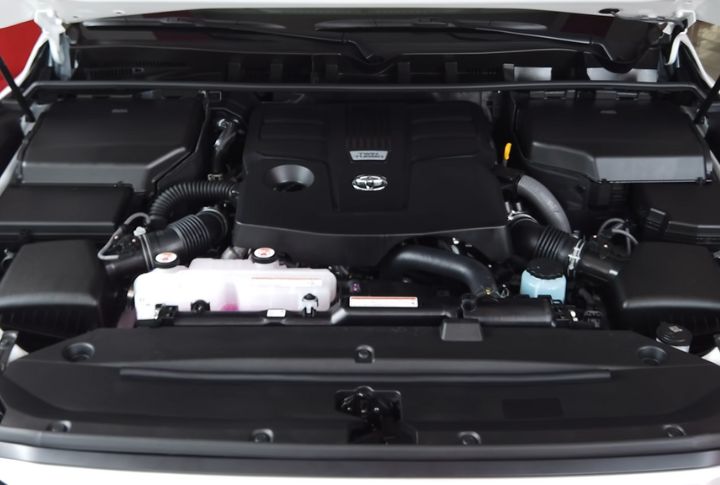
Older cars often lack the complex electronics of newer models. This simplicity allows DIY repairs, and this gives owners control over maintenance costs and schedules. Models like the Toyota Land Cruiser are legends for this very reason. Why trade self-reliance for pricey dealership visits?
Reliability and Durability
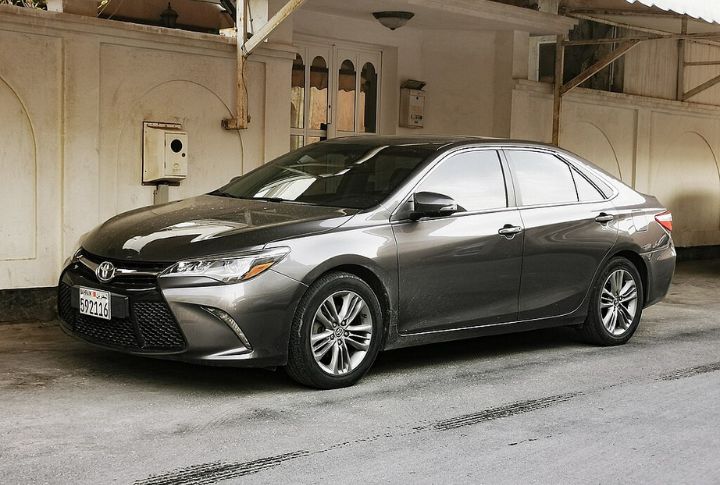
Toyota’s Camry models from the 1990s are prominent for reaching well over 200,000 miles with routine maintenance. Such reliable engineering gives car lovers confidence in their older vehicles. Owners trust the proven dependability of their existing cars instead of experimenting with newer alternatives.
Financial Benefits
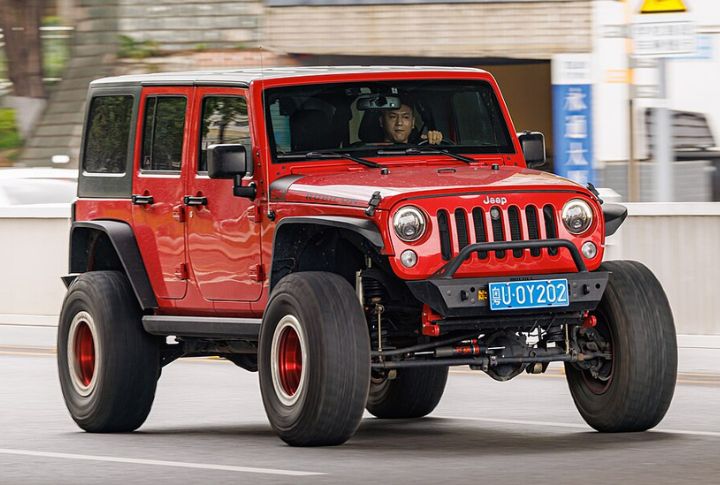
Sticking with your current vehicle can be a financially savvy decision. By holding on to your car longer, you avoid the hefty costs of monthly car payments, rising interest rates, and the added expenses of purchasing a new car. Additionally, older vehicles that are well-maintained often require less expensive insurance, further saving you money.
Environmental Impact

Keeping a car longer reduces waste and conserves resources. Manufacturing one new car emits up to 35 tons of CO₂. By holding on to your current vehicle, you’re directly lowering your carbon footprint. Even small actions like this contribute to preserving the planet for future generations.
Nostalgia and Heritage

Iconic models like the ’69 Chevy Camaro carry historical significance that connects owners to a bygone era. These cars are not just machines but symbols of automotive evolution. Preserving and driving these vehicles keeps their legacy alive and celebrates the craftsmanship of earlier generations.
Community and Identity
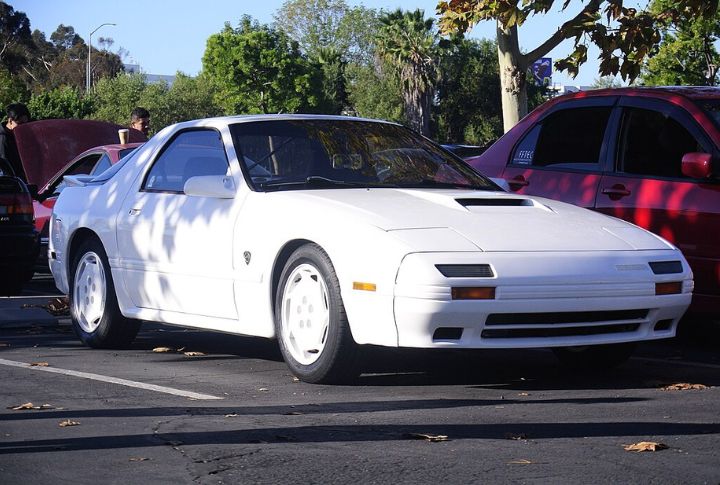
Owning a distinctive car grants access to exclusive events, car clubs, and forums. Enthusiasts of vehicles like the Mazda RX-7 or Jeep Wrangler form tight-knit communities that value individuality. Therefore, when you hold on to a car, it strengthens a sense of belonging and reinforces a personal identity within the car culture.