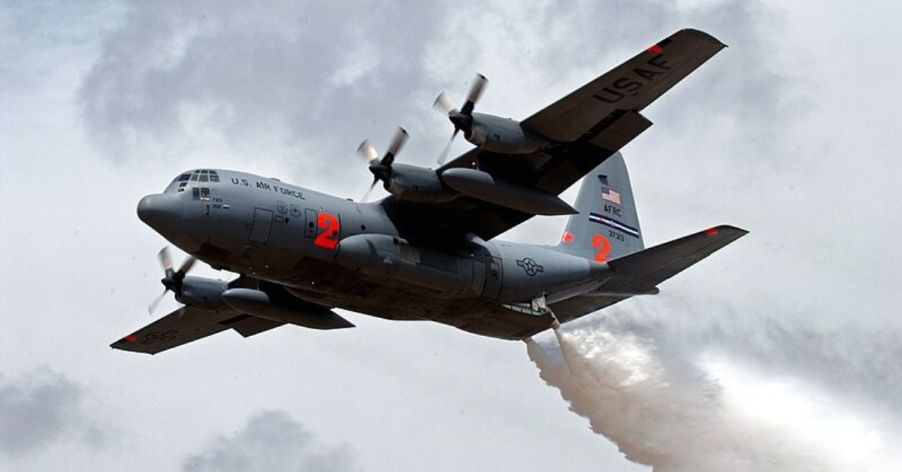
10 Facts About The Special C-130 Planes Battling California’s Blazes
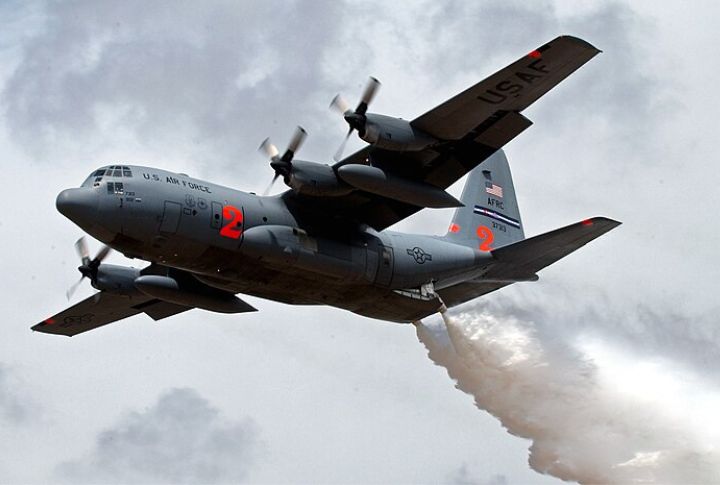
The fire in California has been devastating, to say the least, and the numbers tell it all. The Palisades Fire has scorched over 23,000 acres, and the Eaton Fire has burned about 14,000 acres, claiming at least 28 lives as of January 23, 2025. To strengthen the aerial firefighting response and help bring the situation under control, military C-130 aircraft were deployed. Below are 10 facts that show these aircraft are fit for this job.
They Can Drop 3,000 Gallons Of Fire-Resistant Material

They can drop 3,000 gallons of fire-resistant liquids per flight in under five seconds. To put that into perspective, let’s equate it to a football field (including end zones), which is about 360 feet long and 160 feet wide. A drop then covers an area roughly one-quarter of a mile (1,320 feet) long and 100 feet wide—a significant portion of the field lengthwise.
C-130s Are Engineered For Firefighting

All C-130s are equipped with the Modular Airborne Fire Fighting System (MAFFS), a game-changer in aerial firefighting. This system allows the plane to release the fire-resistant material to blanket flames. Additionally, their Herculean design allows it to operate in rugged terrains where other aircraft might falter. Its short takeoff and landing capabilities make it perfect for such emergencies.
They Deliver Precision Drops With Advanced Technology

Imagine a bright red/pink curtain falling from the sky—that’s the C-130 in action. This is thanks to advanced pressurized systems that discharge in a controlled flow and MAFFS. These techs rely on altimeter-based timing and manual guidance targeting by pilots and onboard personnel. This ensures the fire-resistive material lands precisely where it’s needed.
They Are Built Tough For Unforgiving Missions
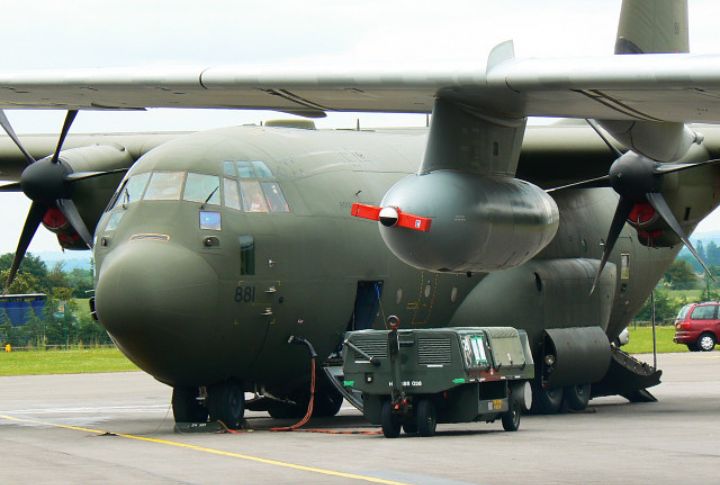
The C-130’s frame allows it to endure intense heat, heavy smoke, and high winds. Its four turbo-prop engines provide the thrust to carry heavy loads and move through perilous wildfire zones. This airfighter can also land on unpaved runways and fly low through mountainous terrain, perfect for fighting wildfires. While other planes might hesitate, the Hercules dives into the fight.
These Operations Are A Joint Effort Between Military And Civilians
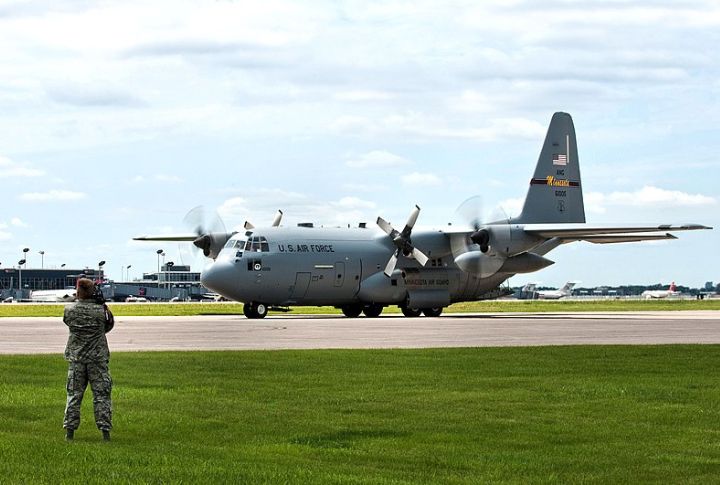
Did you know the C-130 firefighting missions represent a partnership? Operated by the Air National Guard and Air Force Reserve, these planes are deployed during peak wildfire seasons under the Department of Defense’s authorization. This partnership ensures quick response times when wildfires escalate. By working alongside civilian fire agencies, the C-130 bridges resources and expertise.
They Bring Unmatched Speed In Emergency Deployments
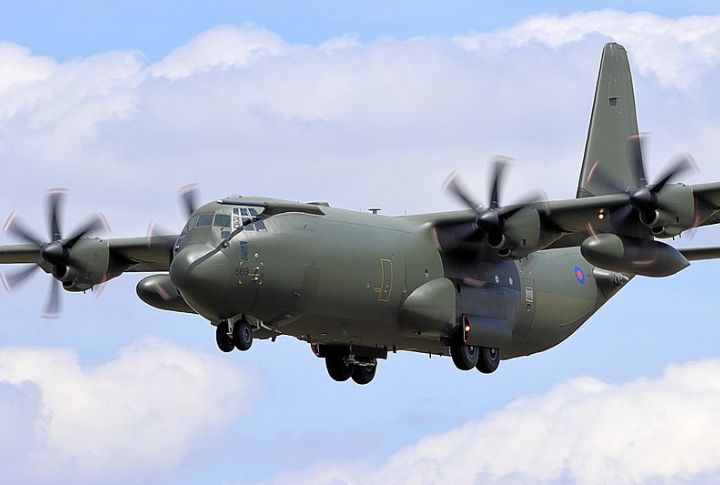
Time is critical in wildfire response. The C-130’s ability to be mobilized within 48 hours of activation gives it a unique edge. Once airborne, it can reach hotspots faster than most aircraft to deliver immediate relief to overwhelmed firefighting crews on the ground. This rapid response saves lives, property, vegetation, and ecosystems.
They Reduce Fire Intensity To Protect Critical Infrastructure

C-130s are often deployed to safeguard vital infrastructure, such as power lines, highways, and residential areas. Dropping fire-resistive material in these strategic zones reduces fire intensity and slows its advance toward these critical areas. Such precision and planning save lives and ensure essential services remain functional during wildfire emergencies, such as communication and electricity.
They Handle Aerial Coordination At Its Finest
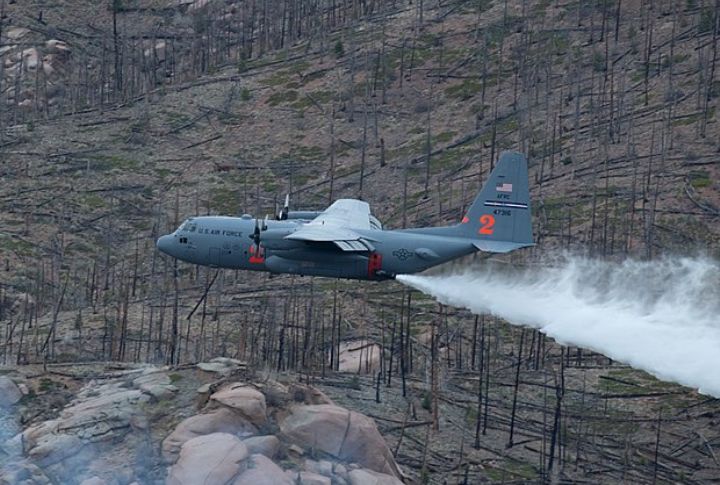
Firefighting is a team effort, and the C-130 plays a central role in aerial coordination. The pilots operate hand-in-hand with pilots of the helicopters and smaller planes, and they take up the mantle to tackle the heart of wildfires while other aircraft focus on containment. Each movement is choreographed for maximum effectiveness.
They Have Proven Performance In Past Extreme Conditions
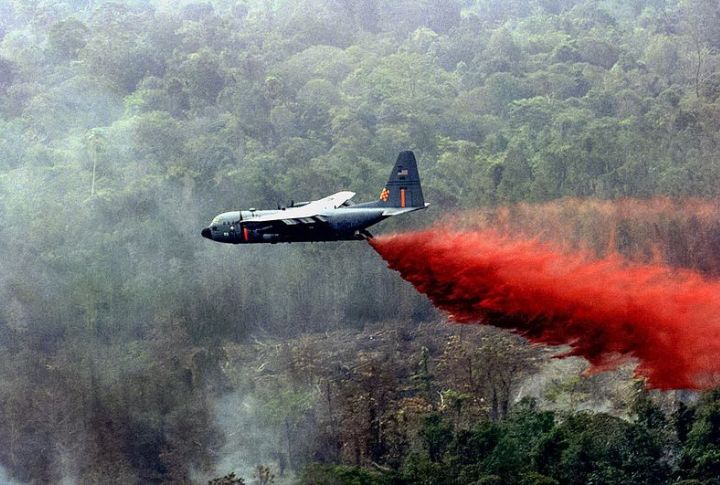
California’s wildfires test even the most advanced firefighting systems, but the C-130 excels in these challenging conditions. Its effectiveness was highlighted during the devastating 2020 fire season, one of the worst in the state’s history, where the aircraft’s performance showcased its reliability and resilience in combating extreme wildfires.
They Are Globally Recognized For Their Firefighting Excellence

The C-130’s reputation for firefighting extends far beyond the United States. From Australia’s rugged landscapes to Greece’s mountainous regions, these aircraft have been critical in battling wildfires worldwide. Their adaptability to varying terrains and climates underscores their global importance in fire suppression efforts.