10 Factors That Shorten Your Car Battery’s Life
Car batteries fail for reasons many drivers don’t expect, from extreme weather to subtle daily habits. These small yet impactful factors can quietly shorten battery life. Knowing what to look out for can save you from surprise breakdowns and costly replacements. Let’s power up your knowledge.
Frequent Short Drives

Short trips are a battery’s worst enemy! They prevent the alternator from fully recharging and leave the battery underpowered. Driving less than five miles repeatedly can lead to early failure. Avoid constant short drives by combining errands into one longer trip whenever possible.
Effects of Extreme Weather
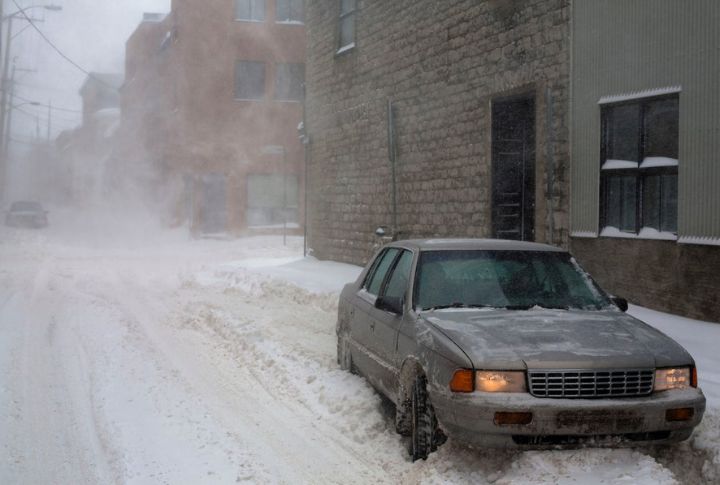
Did you know car batteries lose 35% of their capacity at 32°F? Heat and cold both impact batteries in surprising ways. Hot weather evaporates internal fluids, while freezing temperatures slow chemical reactions. Parking in shaded or insulated areas can help your battery survive temperature swings.
Corrosion on Terminals
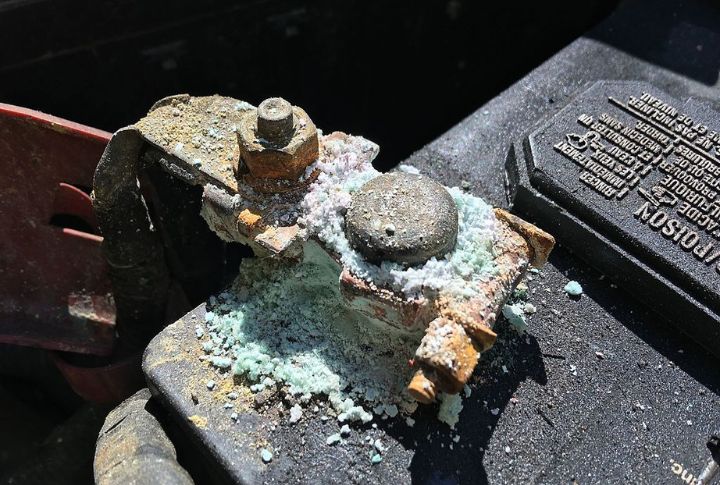
Corrosion builds up on terminals, which creates resistance and reduces power flow. A simple baking soda solution removes it in minutes. If this buildup is left unchecked, it can strain the charging system. Inspect connections monthly to keep your battery performing at its peak without unexpected hiccups.
Accessories Left On
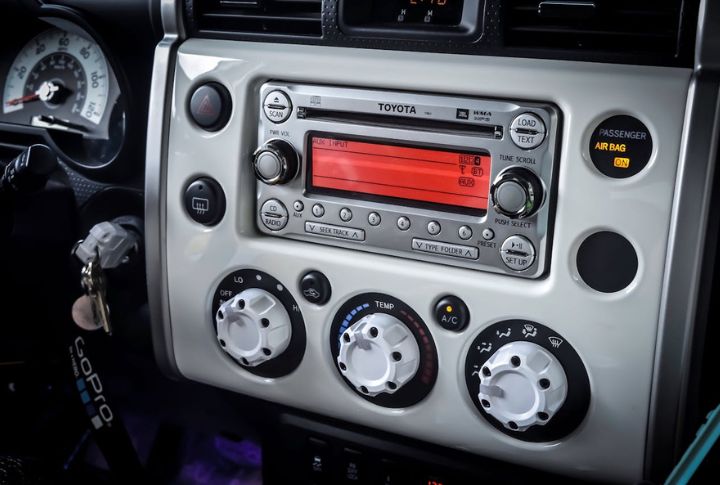
Modern cars rely on battery reserves even when idle. Headlights, air conditioning, and stereo systems drain your battery faster than you’d think if you turn the engine off for a while. Remember to turn off all accessories before leaving the vehicle to preserve the charge for essential starts.
Neglecting Voltage Tests
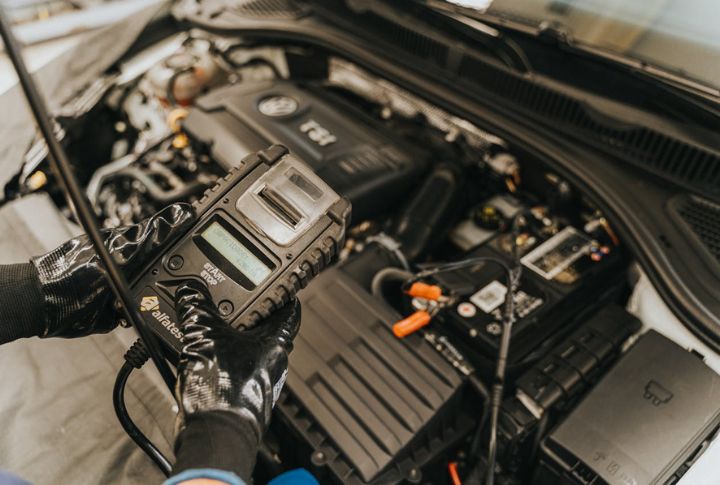
Voltage drops can signal trouble long before failure. A healthy battery should hold between 12.6 and 12.8 volts when idle. Invest in a voltmeter to catch early signs of weakening. Regular testing ensures you’re not caught off guard and left stranded by a battery that quits suddenly.
Damage from Loose Mounts
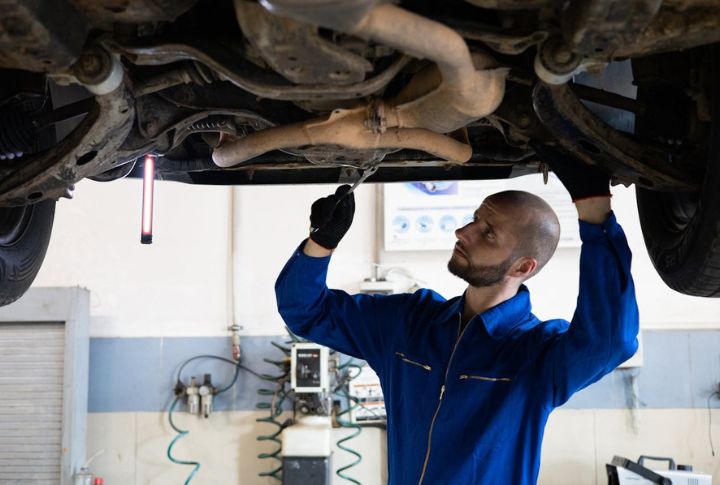
Regular testing ensures you’re not caught off guard by a battery that quits suddenly. Movement might seem harmless, but it’s dangerous for batteries. Loose mounts allow vibrations that damage internal components. Over time, this causes irreparable harm. Secure mounting is vital for stability, especially when driving on uneven terrain.
Overcharging from Faulty Alternators
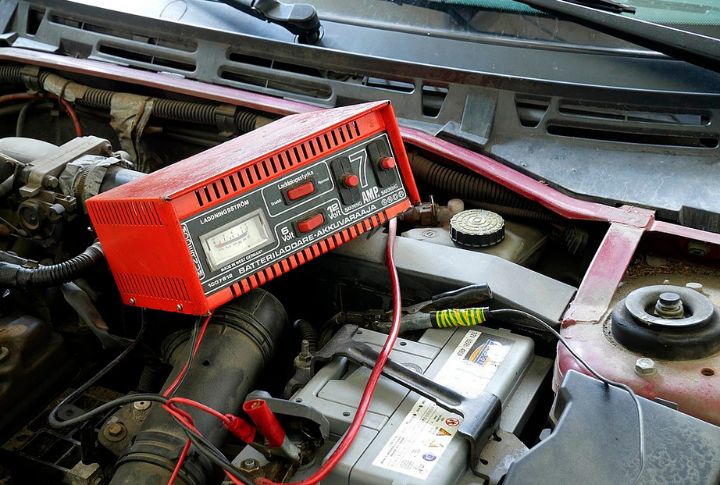
Overcharging sounds helpful but does the opposite. It overheats internal components and reduces battery lifespan significantly. A malfunctioning alternator is often the culprit. Pay attention to dim headlights or flickering dashboard lights, as they might be warning signs of overcharging issues.
Wrong Battery Size
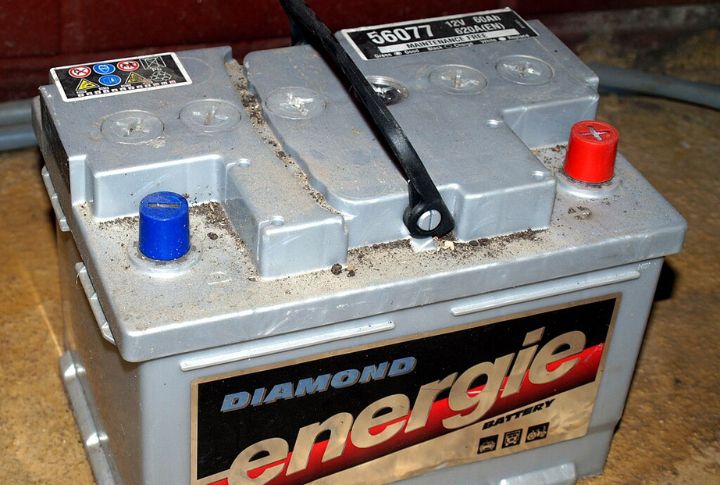
If you install a battery not suited to your car’s specifications, it spells disaster. Smaller batteries strain to meet demands, while oversized ones overheat. Always consult the manufacturer’s manual for compatibility. This small step saves you from expensive problems later.
Battery Left Idle
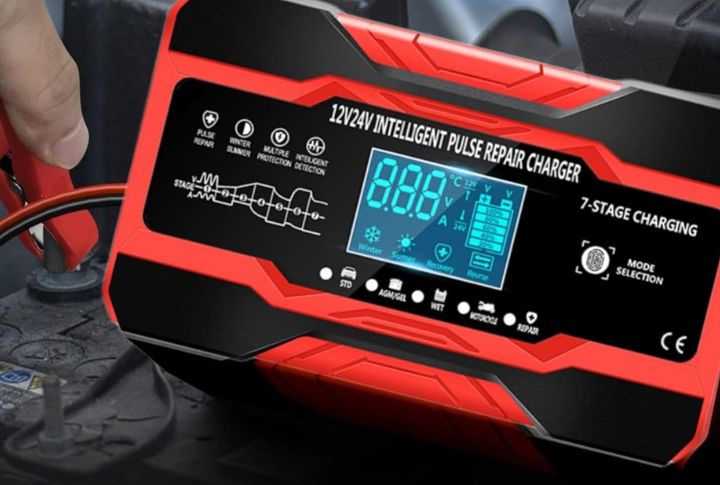
Planning to store your car? Keep the battery in good condition by disconnecting it or using a trickle charger. Inactive batteries discharge naturally, even without use. Long-term storage without a battery maintainer leads to sulfation, a condition that’s hard to reverse.
Gadgets Drawing Power
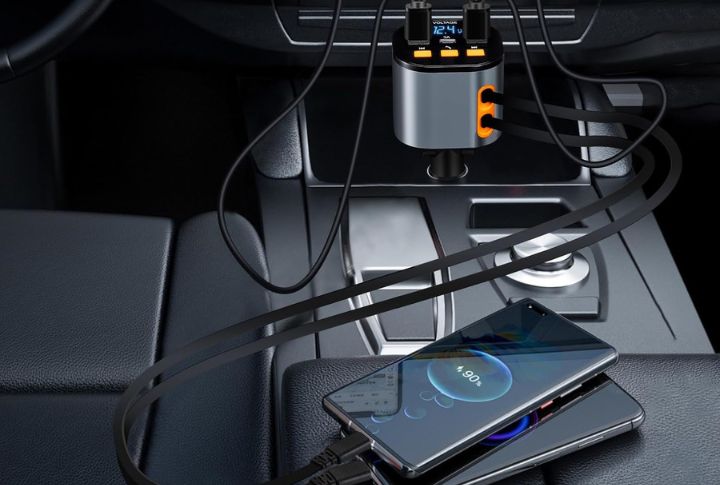
Phone chargers and dash cams are silent power thieves. These gadgets draw small amounts of energy, but over time, the drain adds up. Unplug all devices when leaving the car, especially if it will sit unused for a day or more. Small habits make a big difference!