When Car Brands Fail On Reliability

Automakers strive hard to pass the reliability test. Their products undergo stringent quality controls before they are shipped to consumers. Yet, occasionally, a major fault slips under their radar undetected, causing millions in losses. While these brands generally have a history of excellence and customer satisfaction, a few of their products have proven unreliable. Here are 15 brands that had some less-than-great products that almost ruined their market share.
Ford
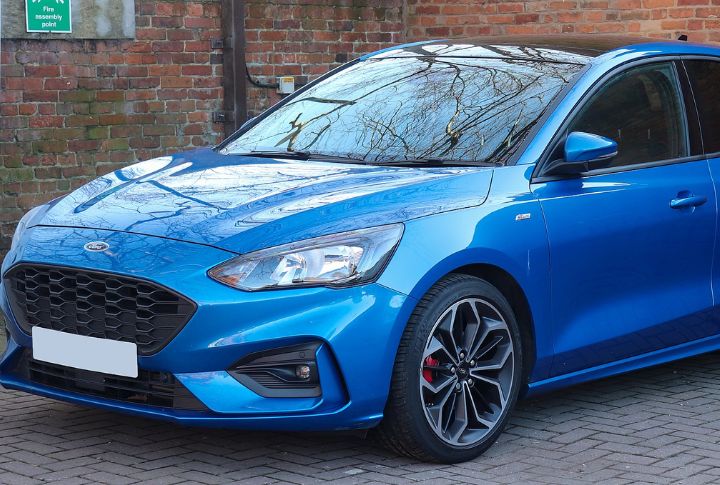
Ford’s broad appeal stems from its commitment to innovation and durability. Its strengths lie in producing vehicles like the F-Series, Mustang, and hybrid and electric cars that cater to different segments. Notwithstanding, Ford has faced its share of challenges. Some commonly reported issues relate to the PowerShift dual-clutch transmission in the Focus and Fiesta versions. The automaker is investing in new technology to improve the reliability and performance of its vehicles.
Fiat
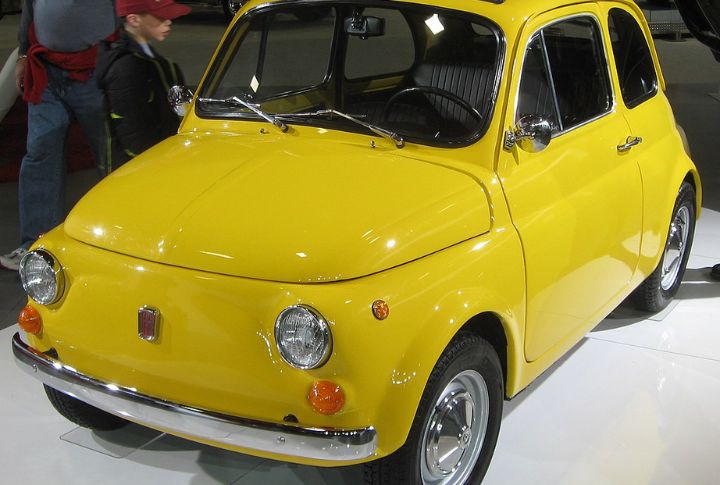
Fiat has been criticized for its subpar features. Though several of its cars are nearly perfect, a few models, like the Fiat 500, face frequent electrical glitches and unreliable automatic transmissions. Other common hitches include malfunctioning sensors, faulty air conditioning units, and troubles with the power steering. The carmaker has been focusing on improving quality control during production to combat these drawbacks. The company offers better warranty coverage and implements customer satisfaction initiatives to resolve problems.
Jeep
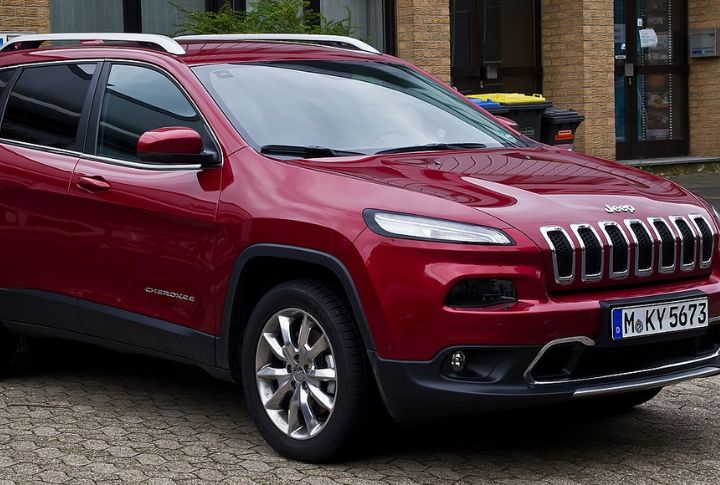
Despite the sturdiness of most Jeeps, the Cherokee and Grand Cherokee have not kept up the pace. This minority is notorious for persistent transmission troubles and electrical faults like malfunctioning power windows and infotainment unit crashes, which are common complaints. However, Jeep has made several laudable efforts to address these. They’re regularly refining their manufacturing processes, using more durable transmission components, and enhancing the standard of their electrical systems.
Land Rover
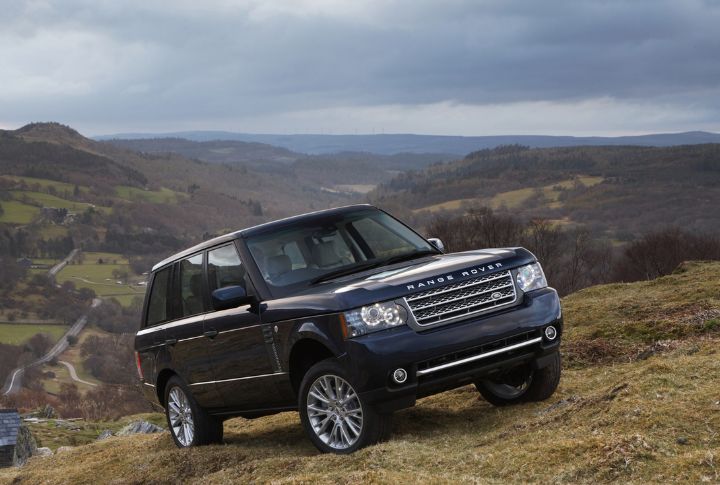
Land Rover’s luxury status and general customer satisfaction have kept the company in the limelight. Sadly, a few editions, like the L322 Model, suffer from electrical malfunctions, suspension failures, and engine stalling. Several owners have also reported some drawbacks with the air suspension setup. Arresting these drawbacks is a top priority for Land Rover as the company focuses on incorporating advanced diagnostic systems, more rigorous parts testing, and using premium materials.
Chrysler
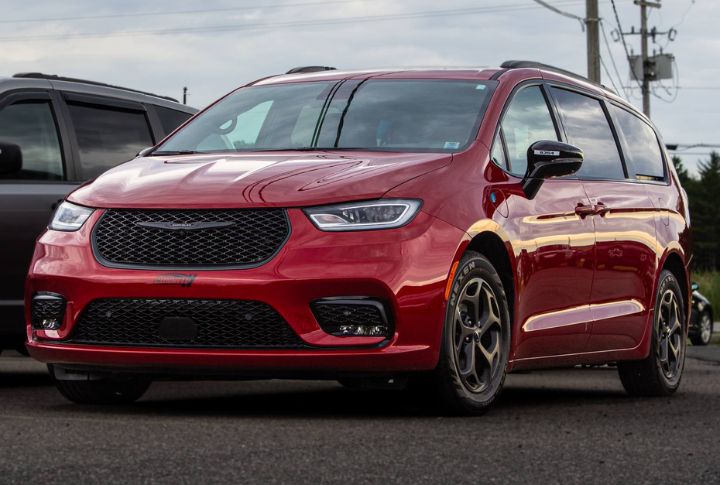
Chryslers has a vast customer base, with many fans admiring their classy looks. Other customers don’t seem to share this sentiment. Their experience with the Pacifica and the now-discontinued 200 has been all but pleasant. Complaints about engine stalling, transmission reliability, and electrical faults were at the top. Chrysler is working on the glass by using next-generation technologies for powertrain components and enhancing the software that controls every part.
Tesla
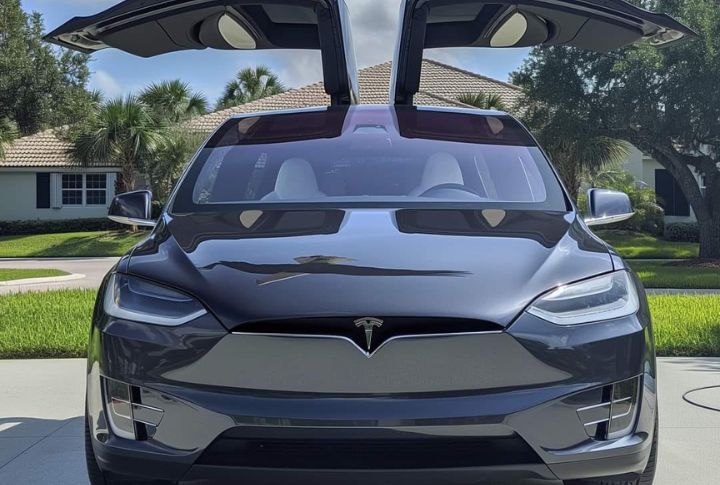
The evolution of the electric vehicle led by Tesla has earned the brand worldwide popularity. Still, a small fraction of the public has yet to warm up to Teslas. Issues, including panel gaps, paint defects, and software glitches, have plagued versions like the Model X. More dissatisfactions also stem from the Autopilot system, touchscreen malfunctions, and unreliable power windows. By refining its assembly line procedures and providing over-the-air software updates, Tesla hopes to fix every challenge.
Volkswagen
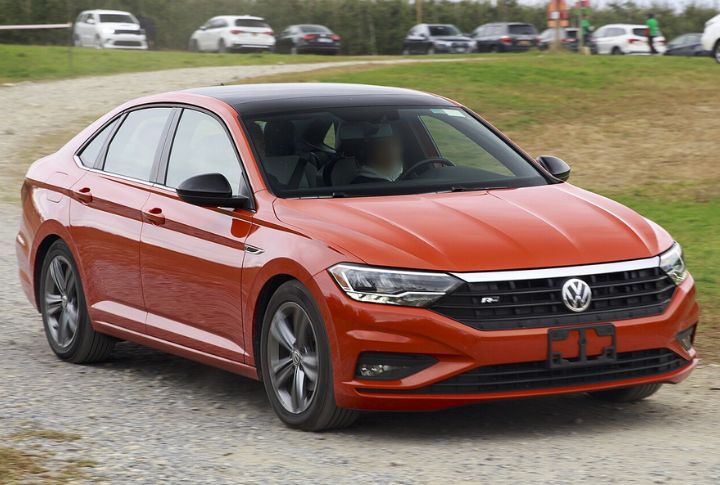
Since launching its first product in 1938, German automaker Volkswagen has become famous for its solid, responsive, and fun-to-drive cars. However, a few of their vehicles, including the Jetta and GTI, have had DSG transmission problems, causing jerky shifts and premature failures. Electrical faults also cause inoperable infotainment gadgets and power window failures. Upgrading transmission technologies, updating the software that manages every unit, and conducting thorough standard checks are helping to restore customer confidence in their cars.
Alfa Romeo
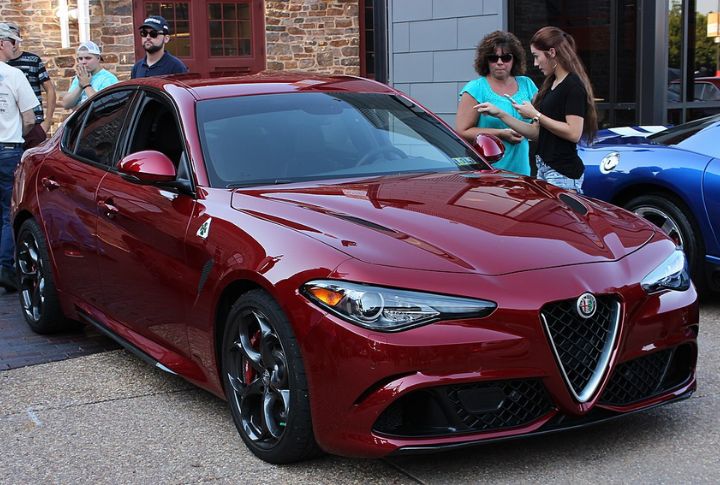
Some Alfa Romeo customers are dissatisfied with its products. Common complaints center on products like the Alfa Romeo Giulia due to the car’s electrical problems and engine malfunctions. Erratic dashboard warning lights, faulty fuel systems, and troubles with turbochargers are common in most reports. Not taking things for granted, the carmaker is attempting to improve its trustworthiness by upgrading its electrical architecture, implementing more rigorous quality control checks, and extending its warranty periods.
Jaguar
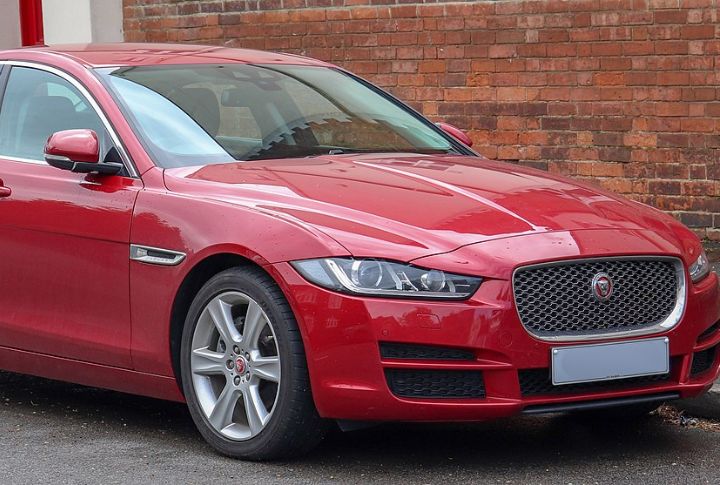
Most Jaguar cars are equipped with standardized materials and advanced technology. However, a minority, like the 2011 XJ and 2017 XE, have been plagued with electrical challenges and faulty transmissions. The 2014 XK faced wheel and brake issues, while the 2018 E-Pace battled with suspension failures. Jaguar is addressing the matters by investing in more reliable electronics, enhancing the durability of its powertrains, and improving after-sales service.
Mitsubishi
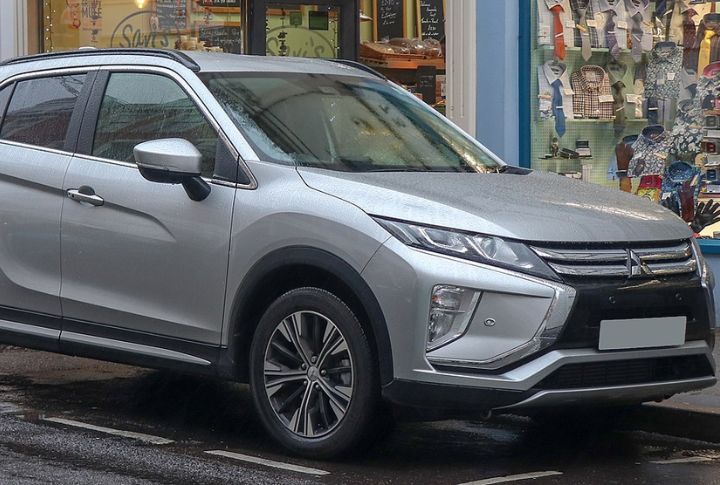
Though Mitsubishi models are generally liked for their affordability and safety, a few users have questioned the dependability of models like the 2018 Mitsubishi Eclipse Cross. Common issues affect service brakes and the electrical and hydraulic systems. Some Mitsubishi cars also have faulty alternators and poor headlights. Mitsubishi invests in more durable transmission technologies and expands its service network to ensure efficient repairs and maintenance.
Cadillac
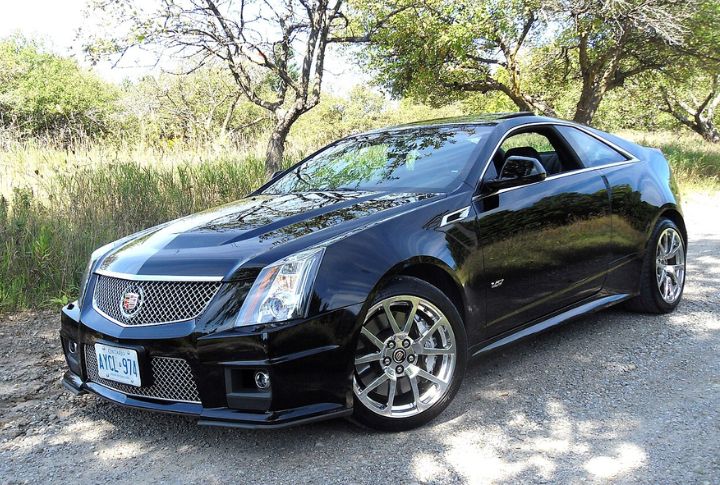
Cadillac editions like the CTS and the Escalade showcase the company’s prowess in blending style with advanced features. However, common setbacks facing the CTS include electrical and transmission errors and premature wear of some components. The Escalade has been noted for air suspension failures, issues with the infotainment system, and occasional engine challenges. The company has had to issue recalls to fix critical defects, enhance its quality control processes, and continuously update its software.
Mini
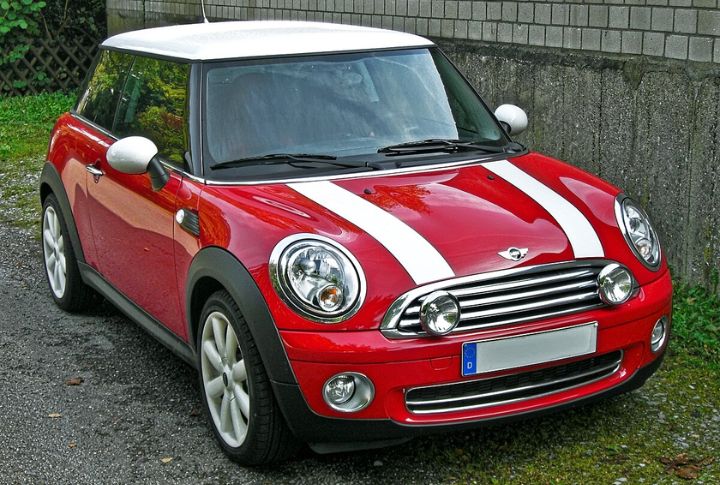
Most Mini cars are famous for their iconic design and agile performance. Since the brand’s revival in 2001, it has enjoyed considerable success, especially with models like the Mini Cooper. Still, some owners have reported deficiencies with the automatic transmission, malfunctioning power windows, central locking units, and timing chains. In response, Mini is investing in better quality control and continues to focus on enhancing the durability and dependability of its vehicles.
Volvo
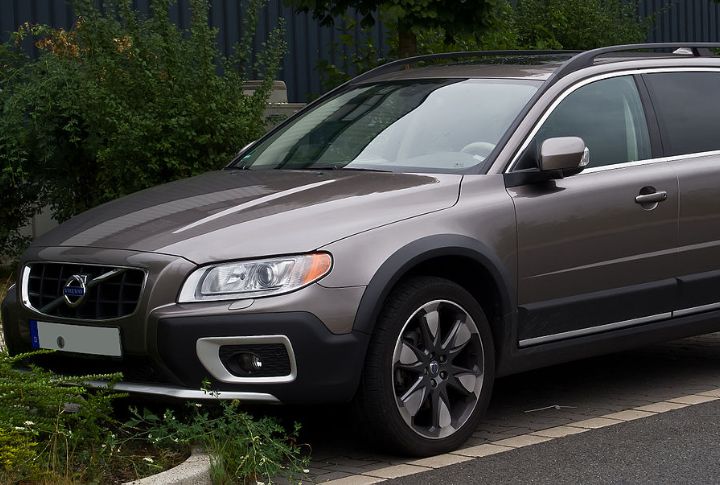
Volvo’s commitment to safety and Scandinavian design has garnered a loyal following. The carmaker’s success is evident in its innovative safety features, such as the world-first three-point seatbelt and advanced driver-assistance systems. Despite these strengths, some owners have reported electrical faults and occasional transmission failures in the XC70. As a result, Volvo has implemented software updates to improve system reliability and extensive warranty and service programs to provide better support to affected customers.
Chevrolet
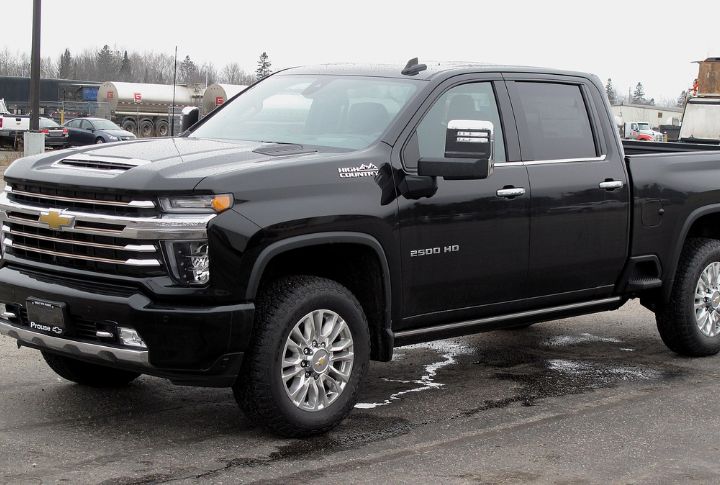
As a cornerstone of the American automotive industry, Chevrolet has a long history of producing reliable and versatile vehicles. Their lineup includes popular editions like the Silverado and Equinox. Yet, several users have complained that the Silverado is notorious for excessive oil consumption, while Equinox’s 2.4L engine is prone to oil leaks and timing chain failings. Chevrolet had to issue recalls for affected cars and implement design changes in newer ones.
Mazda
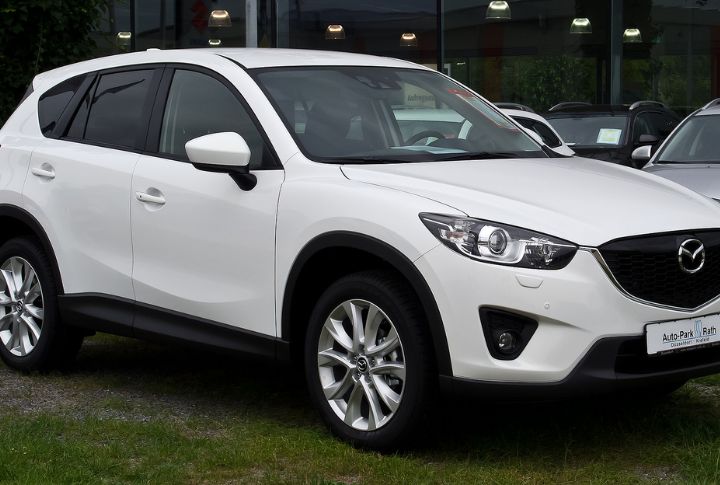
Mazda’s driving pleasure, durability, and stylish design are almost second to none. The brand’s success with the SKYACTIV technology, which enhances fuel efficiency and performance, has garnered widespread acclaim. A few releases, like the Mazda CX-5, have troubles with their infotainment accessories, which can be prone to glitches and slow response times. Premature brake wear and transmission malfunctions are common. Mazda continuously improves its manufacturing processes to ensure newer cars are less problematic.