The Story Behind the F-82 Twin Mustang
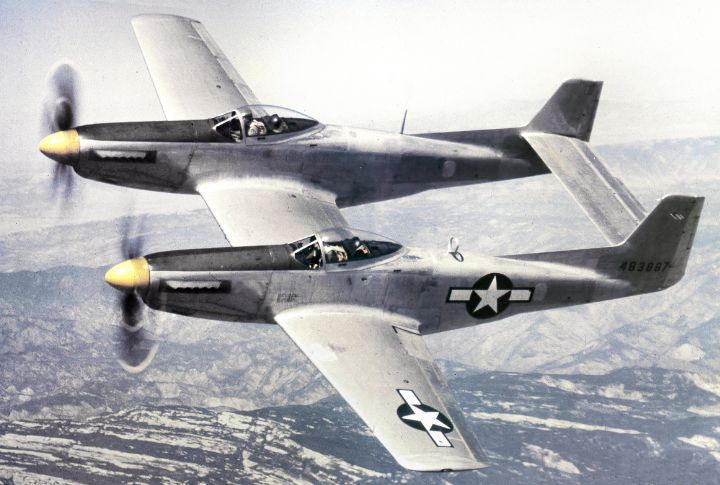
North American Aviation embarked on the ambitious project to create the F-82 Twin Mustang as World War II neared its end. The primary objective was to design a long-range escort fighter capable of accompanying bombers deep into enemy territory. This innovative aircraft aimed to address the limitations of existing fighters, which lacked the range to protect bombers on extended missions. Here is the full story behind the F-82 Twin Mustang.
A Redesigned Powerhouse
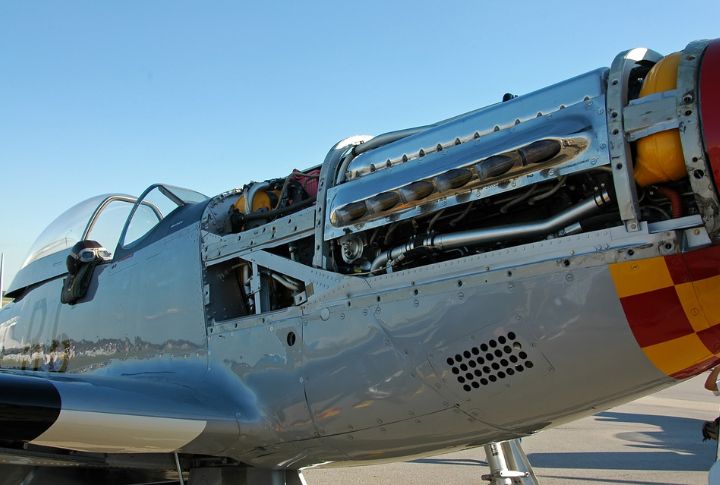
The F-82 Twin Mustang was more than just an adaptation of the famous P-51 Mustang; it was a comprehensive redesign. Engineers at North American Aviation integrated two Packard V-1650 Merlin engines, delivering unprecedented power and endurance. This twin-engine configuration provided redundancy and increased reliability, essential for long-range missions over hostile environments. The aircraft’s development underscored the urgent need for a fighter that could escort bombers to their targets and back.
Testing and Refinement
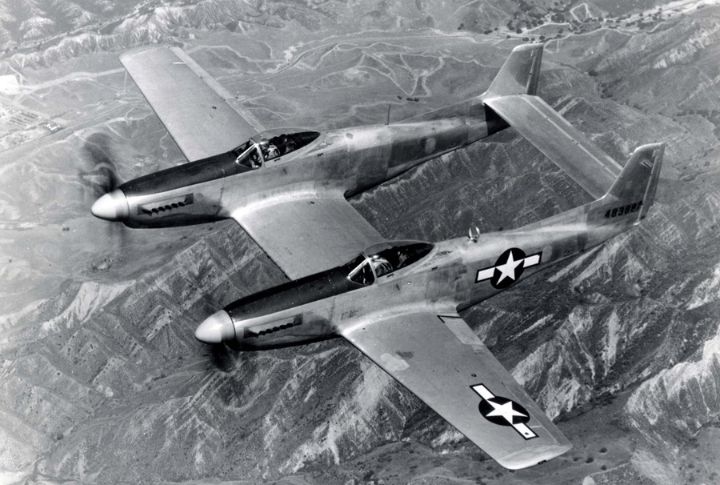
In its development phase, the F-82 underwent rigorous testing and refinement to meet the demanding United States Army Air Forces (USAAF) specifications. The Twin Mustang showcased impressive performance, with a top speed exceeding 482 miles per hour and a range of over 2,200 miles. These attributes made it an ideal candidate for the long-range escort role envisioned by military strategists. Despite the end of World War II, the aircraft found its place in the post-war era, adapting to new roles as global tensions evolved.
From Escort to All-rounder: The F-82 in the Korean War
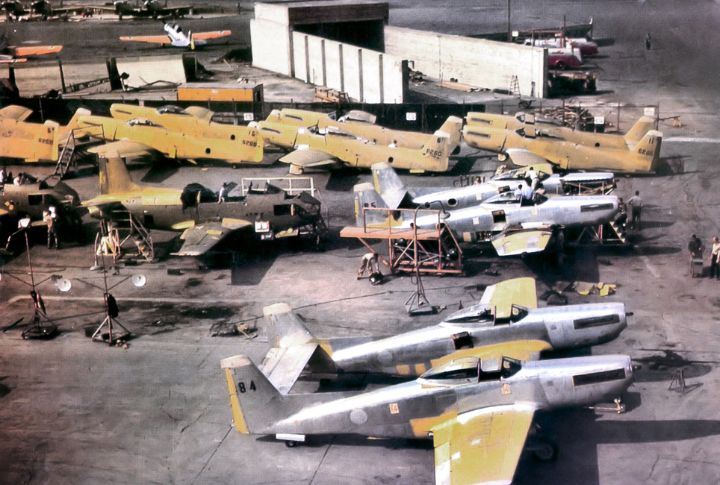
The F-82 Twin Mustang’s service history is marked by significant milestones, including its deployment during the Korean War. Its exceptional range and firepower proved invaluable in the early stages of the conflict, performing escort and ground attack missions. Thanks to its advanced radar equipment, the aircraft’s ability to operate in adverse weather conditions further cemented its operational importance.
The F-82’s Korean War Debut
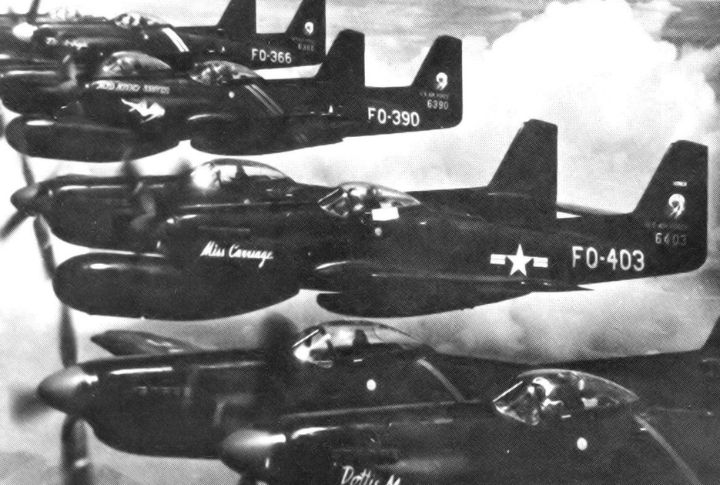
One of the most notable achievements of the F-82 Twin Mustang was its role in the first aerial victory of the Korean War. On June 27, 1950, an F-82 piloted by Lieutenant William Hudson and radar operator Lieutenant Carl Fraser successfully downed a North Korean Yak-7. This event marked the Twin Mustang’s transition from a World War II escort fighter to a formidable combat aircraft in the jet age.
A Legacy Beyond World War II

North American Aviation created the F-82 Twin Mustang because a long-range escort fighter was strategically necessary during World War II. Its advanced design, impressive performance, and adaptability ensured its continued relevance in the early Cold War period. The Twin Mustang’s development and service history highlight its significant role in reducing the gap between propeller-driven and jet-powered aircraft.