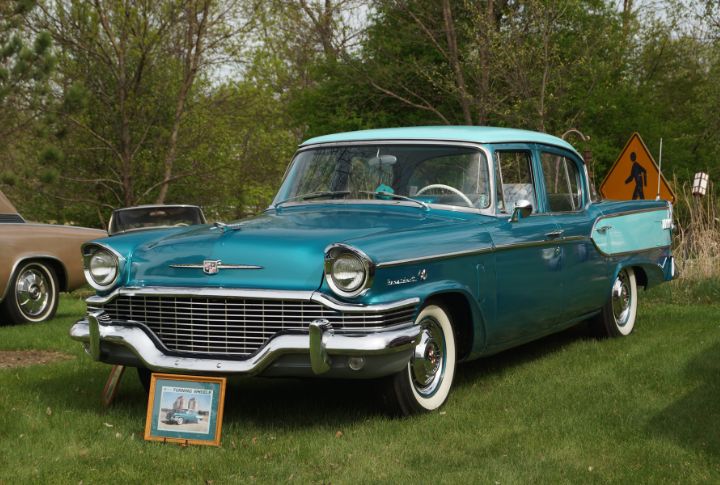
The Rise and Fall of The Studebaker Automobiles

Studebaker, once a pioneer in the American car industry, holds a storied place in the history of car manufacturing. Loved for its innovative designs and resilient spirit, the company has seen many highs and lows. This article digs into the journey of Studebaker automobiles, exploring the factors that led to its rise and eventual fall.
Early Beginnings
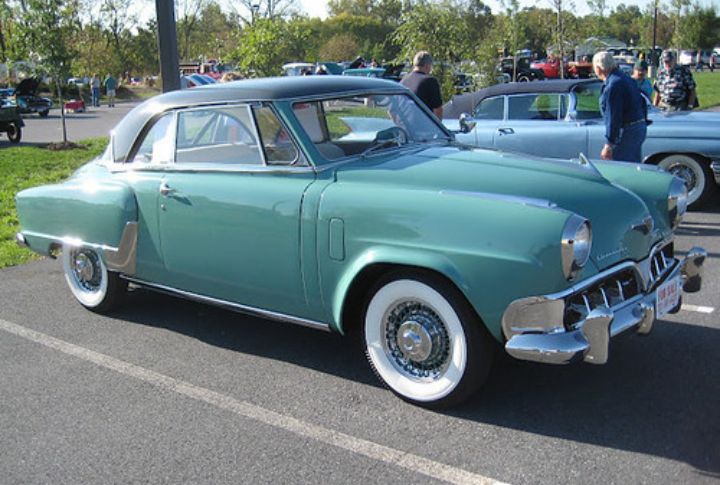
Founded in 1852 as a wagon manufacturer, Studebaker entered the automotive market in 1902. The automaker’s transition from horse-drawn vehicles to motorized ones marked a significant leap. Their initial ventures into electric cars showcased their ingenious mindset, though they later shifted to gasoline engines to adapt to the market demands of the time.
Establishing a Reputation
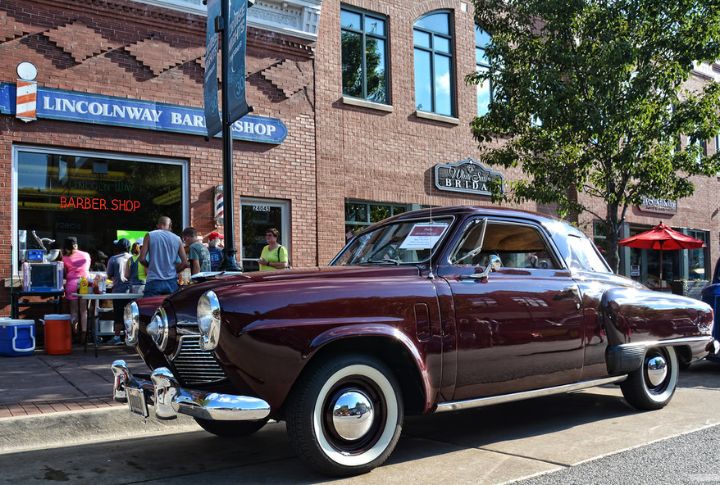
Studebaker’s reputation for quality and durability was established early on. By the 1920s, they were known for producing reliable and stylish cars. Models like the President and Commander garnered significant attention and helped solidify Studebaker’s position as a leading automaker in the United States.
Surviving the Great Depression
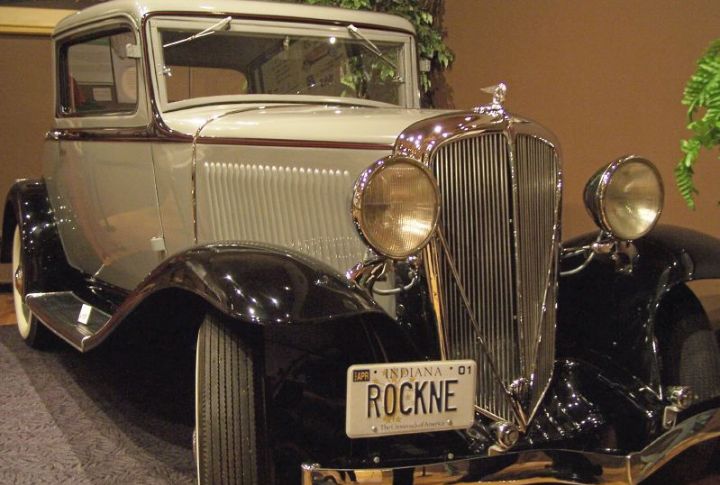
The Great Depression of the 1930s hit many industries hard, and Studebaker was no exception. Despite financial struggles, the brand managed to survive by implementing cost-cutting measures and introducing affordable models like the Rockne. This resilience showcased Studebaker’s ability to adapt during tough economic times.
World War II and Military Production
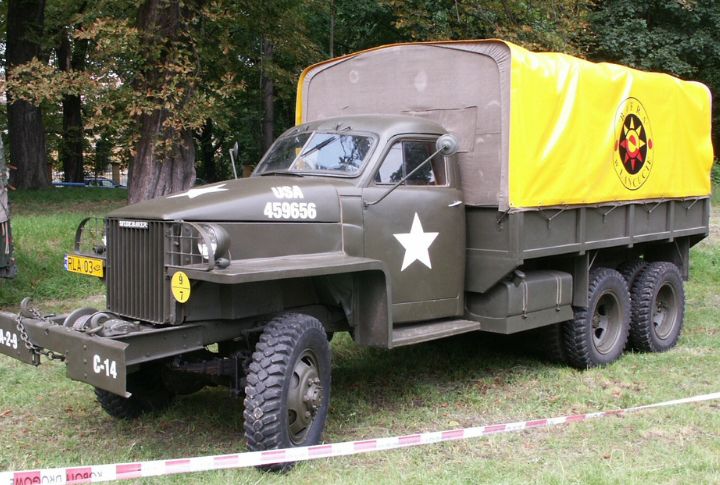
Unsurprisingly, WWII brought a new challenge and opportunity for Studebaker. The brand shifted its production to military vehicles, including trucks and aircraft engines. This pivot not only helped the conflict effort but also kept Studebaker afloat when civilian car production was largely halted.
Post-War Resurgence
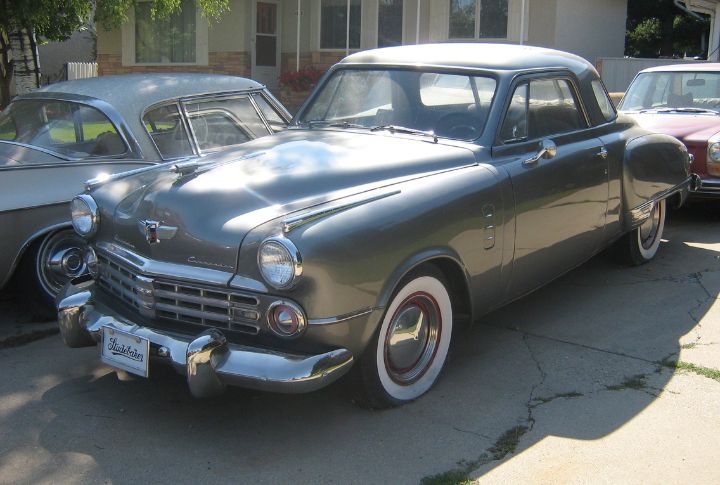
The post-battle era saw a resurgence for the automaker as it introduced progressive designs, such as the 1947 Starlight coupe with its distinctive rear window. During this period of prosperity, Studebaker set automotive trends with its creativity and forward-thinking.
Increased Competition
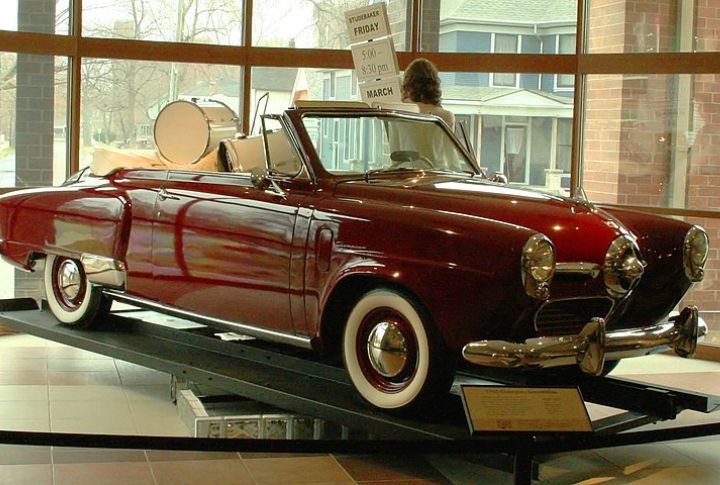
However, the 1950s brought increased competition from the Big Three automakers: Ford, General Motors, and Chrysler. Studebaker struggled to keep up with their mass production capabilities and marketing power. Despite its efforts to modernize and innovate, the automaker needed help maintaining its market share.
The Packard Merger
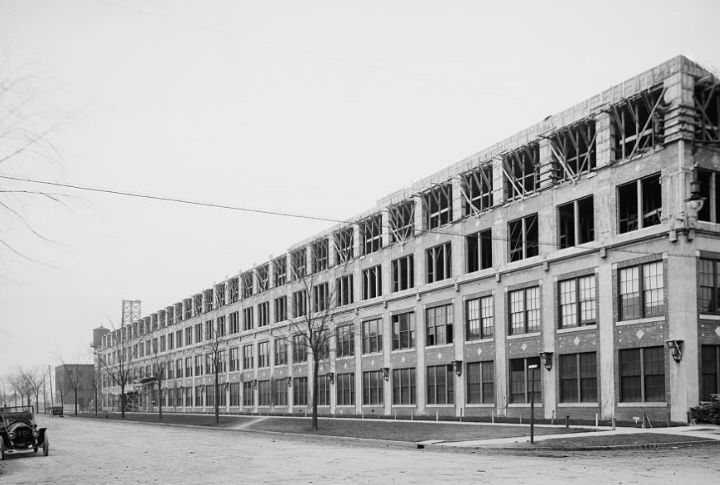
1954 marked the merger between Studebaker and Packard Motor Car Company as an attempt to remain competitive. This merger aimed to create a stronger entity capable of competing with the automotive giants. Unfortunately, the merger brought financial instability and failed to achieve the desired success.
Brief Resurgence with the Lark
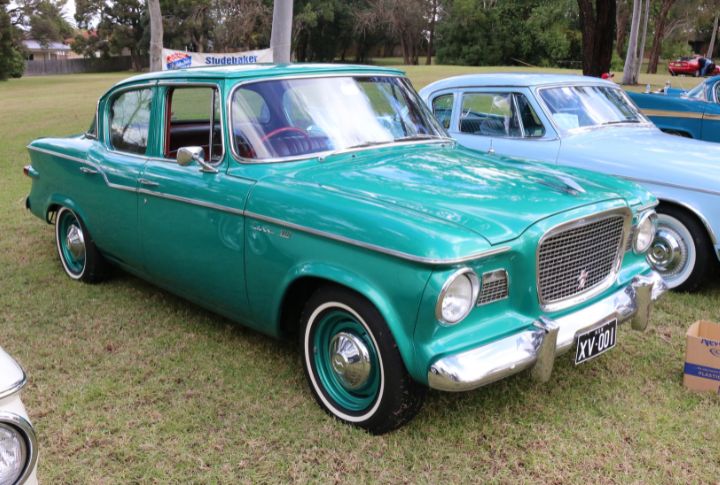
Despite financial woes, Studebaker continued to innovate. The introduction of the compact Lark in 1959 brought a brief resurgence. It was well-received, offering a smaller, more economical option when American car buyers began seeking alternatives to large, gas-guzzling vehicles.
The Avanti’s Critical Acclaim
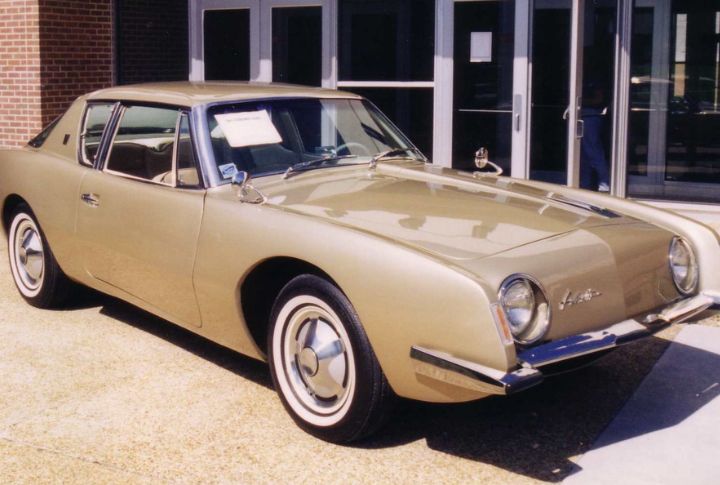
The early 1960s saw another attempt at revival with the introduction of the Avanti. Few sports cars garner critical acclaim as this sophisticated and stylish model. However, the car’s success was not enough to reverse Studebaker’s declining fortunes.
End of U.S. Production
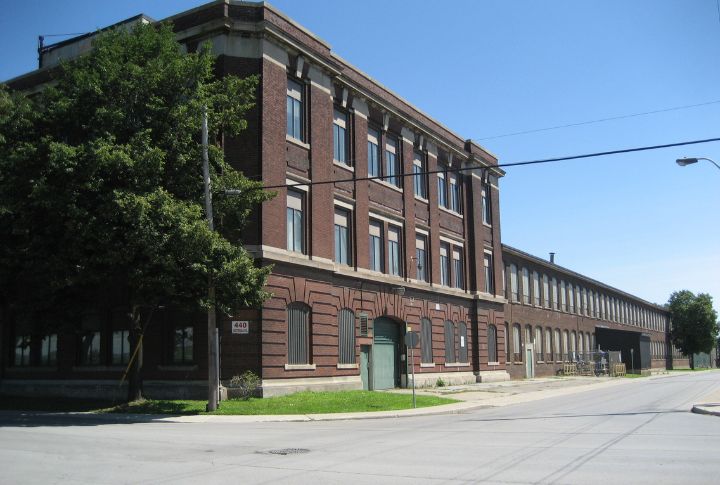
Mounting financial losses and competition led Studebaker to cease U.S. production in 1963. The company shifted operations to its Canadian plant in Hamilton, Ontario. This move was seen as a last-ditch effort to keep the brand alive, but more was needed to ensure long-term survival.
Final Years

Dwindling sales and continued financial struggles marked Studebaker’s final years. In 1966, Studebaker’s assembly line rolled off its last car, marking the end of an era. Studebaker officially closed its doors, leaving a legacy of innovation and determination.
Legacy and Collector’s Items
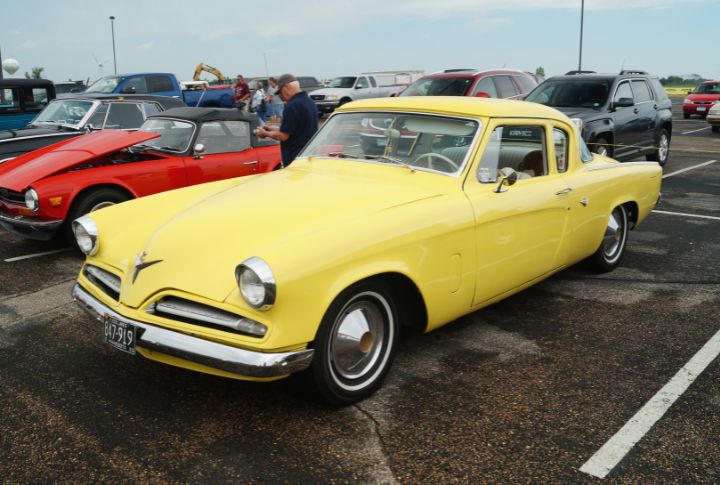
The company’s legacy lives on through classic car enthusiasts and collectors. Many of their models, like the Avanti and the Commander, remain cherished pieces of automotive history. Car shows and museums often feature Studebaker vehicles and keep the brand’s memory alive for new generations.
Reasons for the Downfall
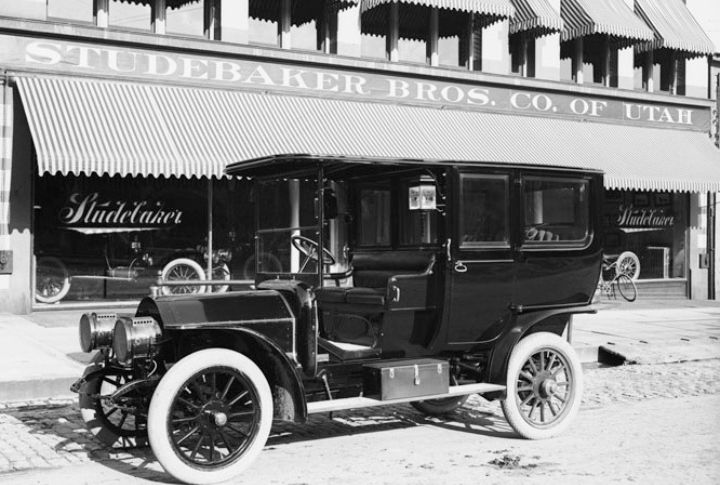
In retrospect, Studebaker’s downfall can be attributed to fierce competition, financial mismanagement, and failure to scale production effectively. Despite their progressive spirit and quality craftsmanship, these challenges proved insurmountable in the rapidly evolving scene.
A Symbol of American Ingenuity

Today, the Studebaker name is a symbol of American ingenuity and resilience. The company’s journey from horse-drawn carriages to innovative automobiles is proof of its adaptability and forward-thinking approach. While the brand may no longer exist, its impact on the automotive world is undeniable.
Lessons from Studebaker’s Journey
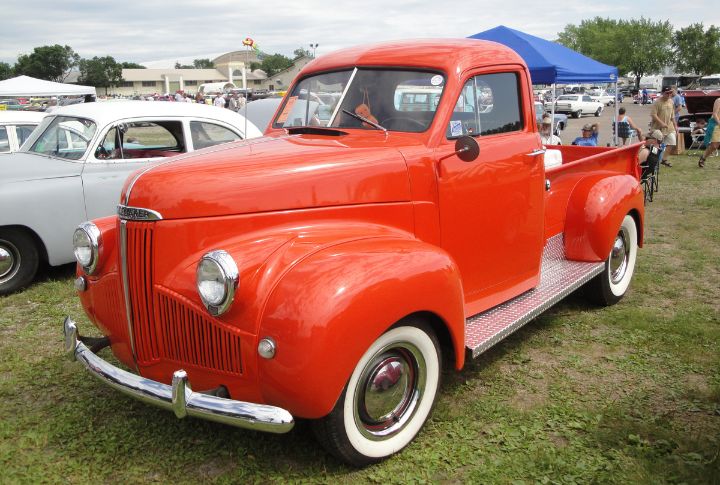
The story of Studebaker serves as a reminder of the fast-paced nature of the automotive industry and underscores the importance of adaptability, ingenuity, and financial prudence. Reflecting on Studebaker’s journey provides valuable insights into the factors that shape the success and failure of car manufacturers.