The History Behind El Camino, its Discontinuation, and Legacy
Chevrolet has long been a cornerstone of the American automotive industry, producing unforgettable brands that last a lifetime. Still, even a dominant brand can face failures, as in the case of the car-truck hybrid El Camino. Despite the appeal, the Camino struggled to maintain its footing in a rapidly changing market.
Meet The El Camino (1959)
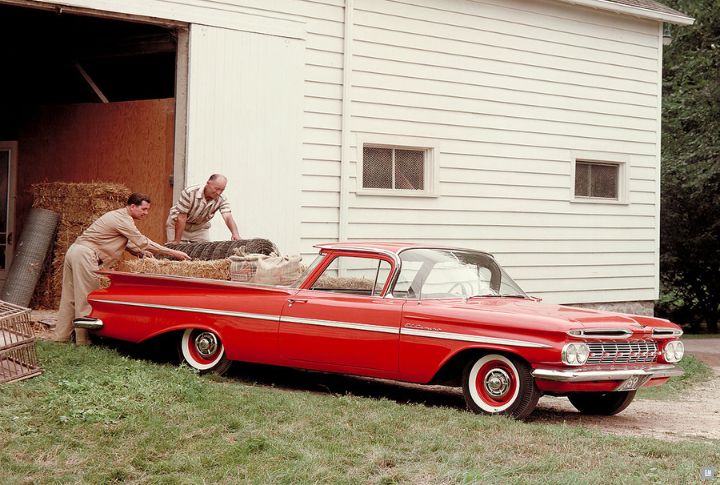
The Chevrolet El Camino debuted in 1959 as a competitor to the Ford Ranchero. Unlike conventional trucks, it was constructed on a full-size car platform, specifically utilizing the Chevrolet Brookwood’s chassis. This provided the utility of a truck and the driving comfort and aesthetic appeal of a sedan.
Unique Car-Truck Design
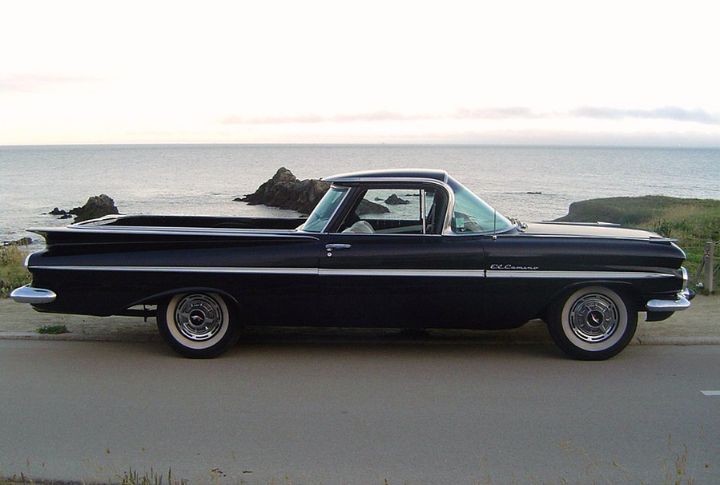
This vehicle showcased an innovative design that was truly one-of-a-kind for its era. It targeted urban and suburban buyers seeking the practicality of a pickup without compromising on the comfort of cars. With a payload capacity of up to 1,150 pounds, the El Camino proved useful for light-duty tasks.
Initial Discontinuation (1960)
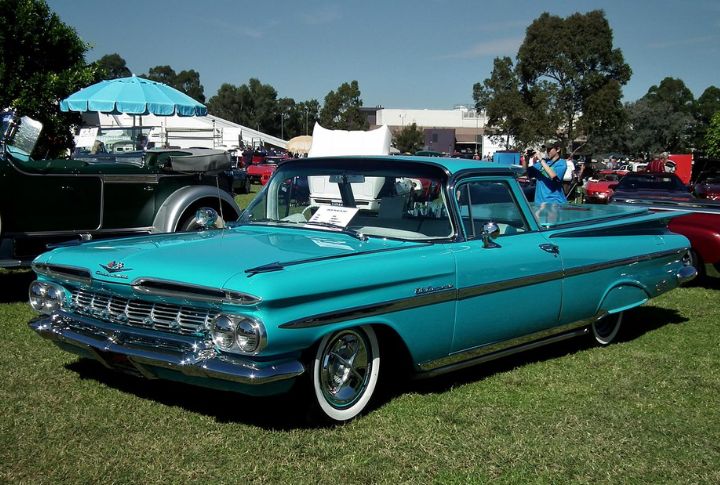
Despite its unique appeal, the first-generation El Camino faced challenges in gaining market traction. The combination of its car-based structure and higher price led to disappointing sales figures. About 22,000 units were sold in the first year and 14,000 units in the next, prompting Chevrolet to cease production.
Reintroduction in 1964
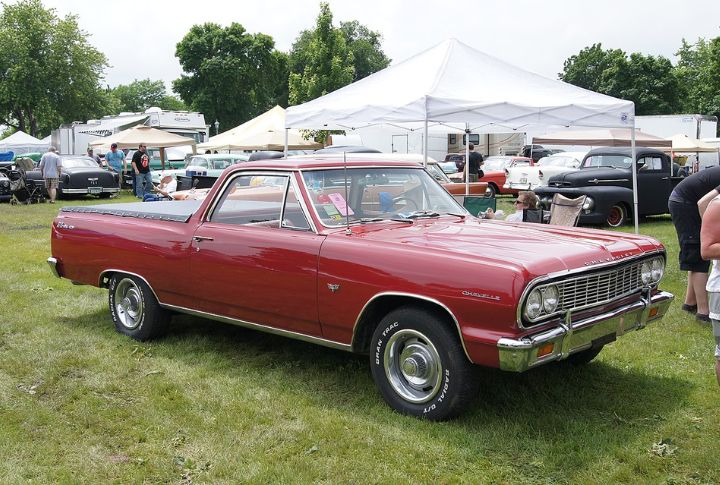
Four years later, Chevrolet revived the El Camino, this time constructing it on the midsize Chevrolet Chevelle platform. This redesign, characterized by a sportier aesthetic and enhanced power options like the V8 engines, aligned the El Camino with emerging consumer preferences for muscle cars.
High-Performance Variants
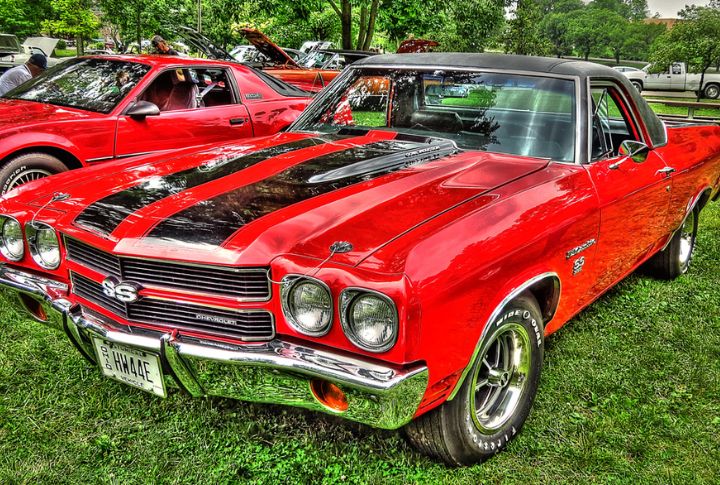
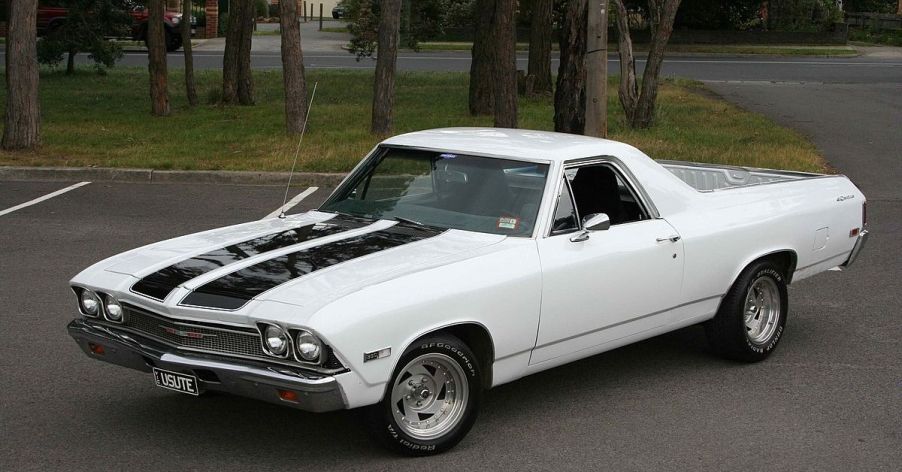
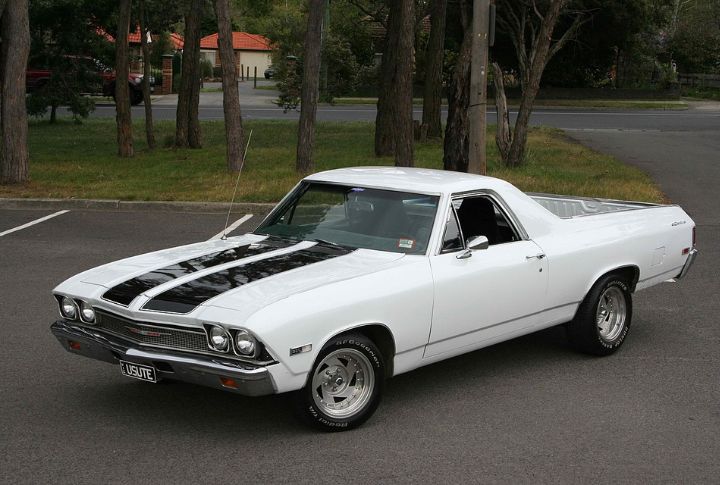
Throughout its production run, the company leveraged the muscle car craze by launching high-performance variants of the El Camino. The SS (Super Sport) model debuted in 1968 and featured powerful V8 engines, including the 396-cubic-inch V8. By 1970, Chevrolet introduced the LS6, a 454-cubic-inch engine that produced 450 horsepower.
Popular in the Muscle Car Era
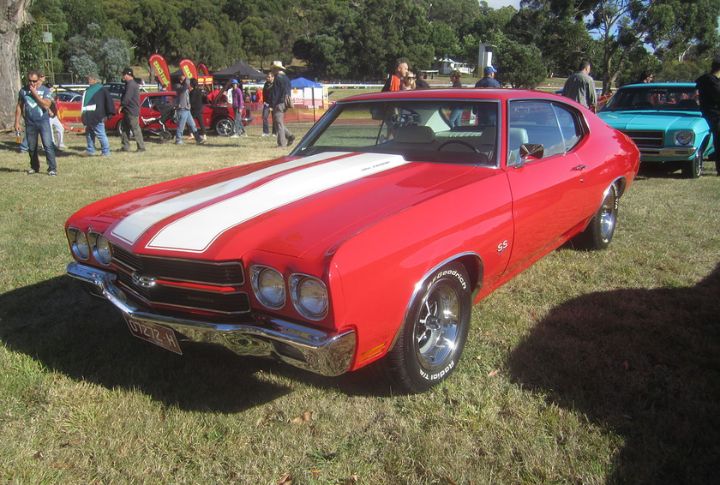
Chevrolet’s El Camino emerged as an emblematic vehicle of the muscle car era, particularly noted for its powerful engine options and aggressive styling. Notably, the 1970 El Camino SS 454 stood out with its potent engine and distinctive design, becoming one of the fastest muscle cars on offer.
Economic Changes in the 1970s
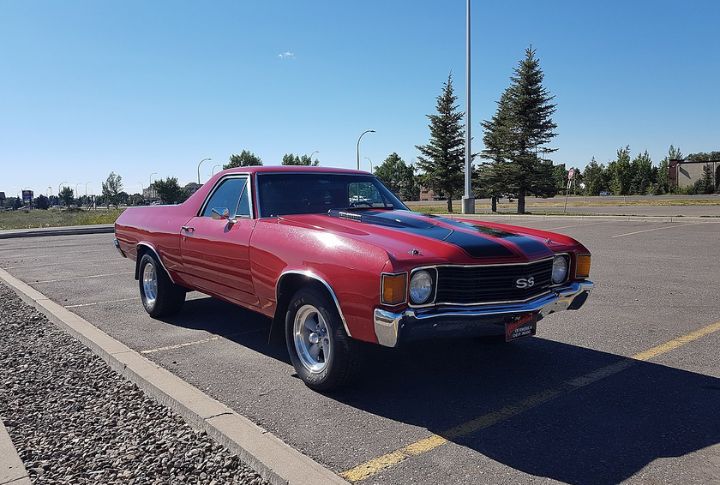
In the 1970s, and especially in 1973, the automotive space underwent significant shifts due to the 1973 oil crisis and stricter emissions regulations. These changes heavily impacted performance vehicles such as the El Camino SS, which suffered from rising fuel costs and new government mandates aimed at reducing emissions
Market Shift Toward Trucks

As consumer preferences evolved during the late 1970s, there was a marked shift towards full-size trucks like the Silverado. Traditional trucks provided greater cargo capacity, towing capabilities, and rugged utility than El Camino’s car-based framework. Consequently, buyers seeking heavy-duty functionality increasingly gravitated away from the Camino.
Competition with Other Vehicles
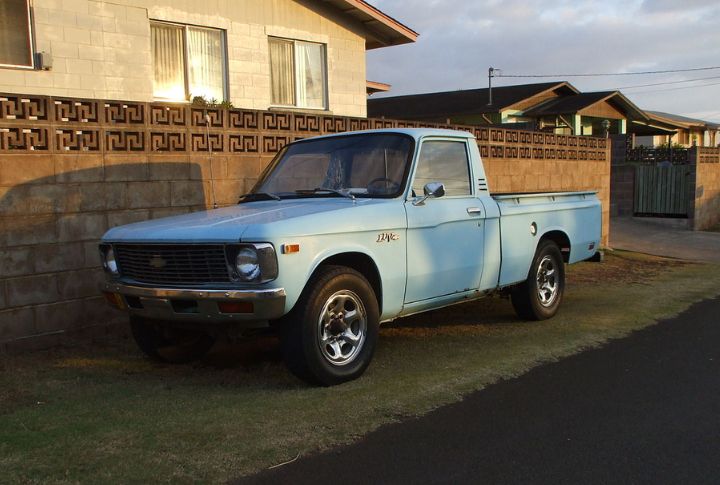
The emergence of compact trucks, like the Chevrolet LUV and Ford Courier, further diminished the El Camino’s market presence. Smaller trucks offered comparable fuel efficiency and affordability, while full-size models delivered superior performance and capability. Caught between these two competing segments, the El Camino struggled to maintain relevance.
Declining Sales in the 1980s
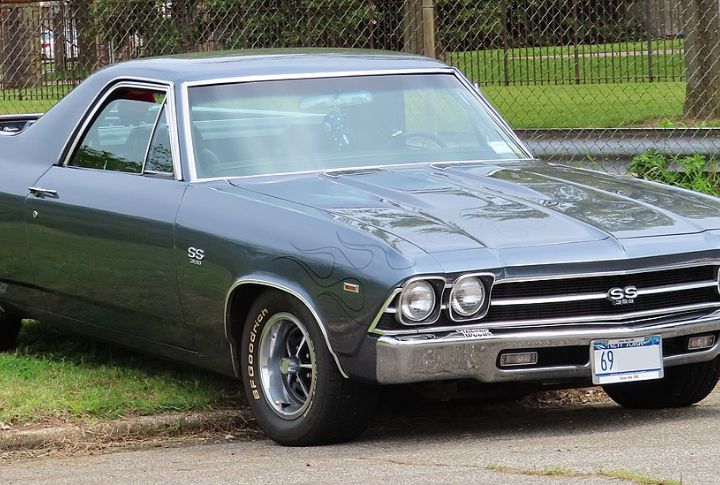
By the early 1980s, sales figures for the El Camino had sharply declined. Its car-truck design lost much of its earlier appeal as consumers opted for trucks for work-related tasks or sedans for daily commutes. Although it retained some customers, it failed to achieve the necessary sales volumes.
Fifth and Final Generation (1978-1987)
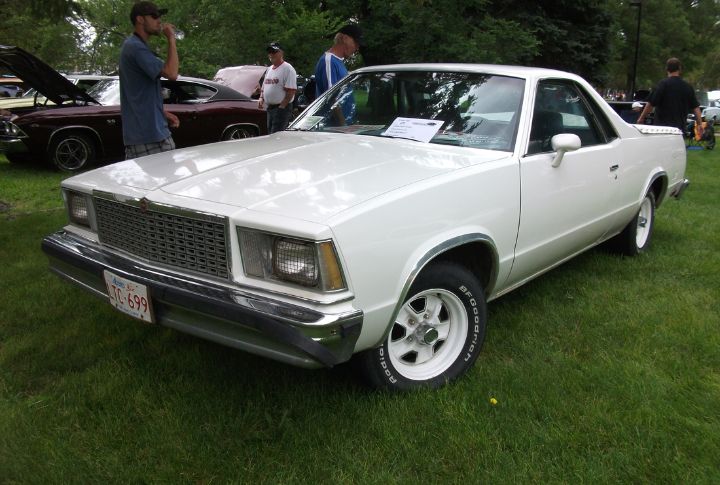
Chevvy released El Camino’s fifth generation in 1978. Built on General Motors’ downsized G-body platform, this version offered more fuel-efficient engines. It shifted away from performance-oriented features towards a personal-use vehicle aimed at a niche audience. However, changing market dynamics led to its discontinuation in 1987.
Shift in Focus by Chevrolet
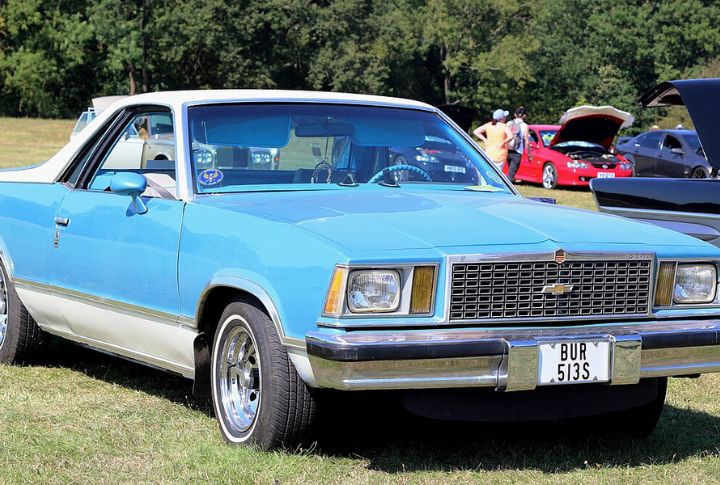
The decision to retire the El Camino in 1987 stemmed from a shift toward more popular models. Notable among these is the Chevrolet Silverado, initially introduced as a trim package on C/K trucks. Later, the Silverado evolved into a standalone model and became one of Chevrolet’s best-sellers.
Changing Consumer Preferences
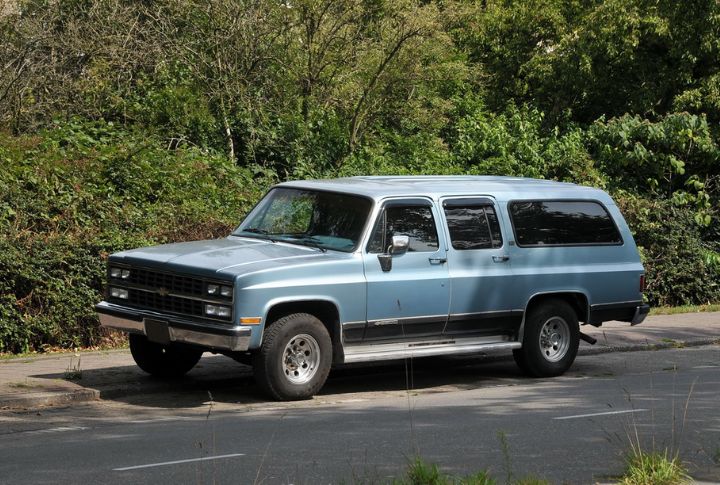
During the 1980s, U.S. automotive trends shifted toward more versatile and spacious vehicles. SUVs and larger trucks gained popularity for their off-road capabilities and passenger capacity. Models like the Chevrolet Suburban and Ford Bronco became favored for their better space and towing capacity.
Lack of a Modern Successor
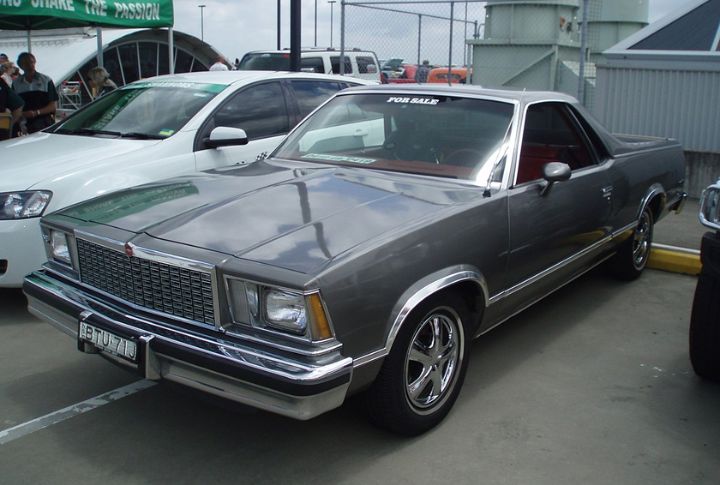
Since ceasing production in 1987, Chevrolet has not seriously considered reviving the El Camino model despite occasional concept cars or rumors suggesting a comeback. The contemporary automotive market has moved away from hybrid car-truck designs due to changing consumer preferences favoring full-size pickups and crossovers.
Legacy of the El Camino
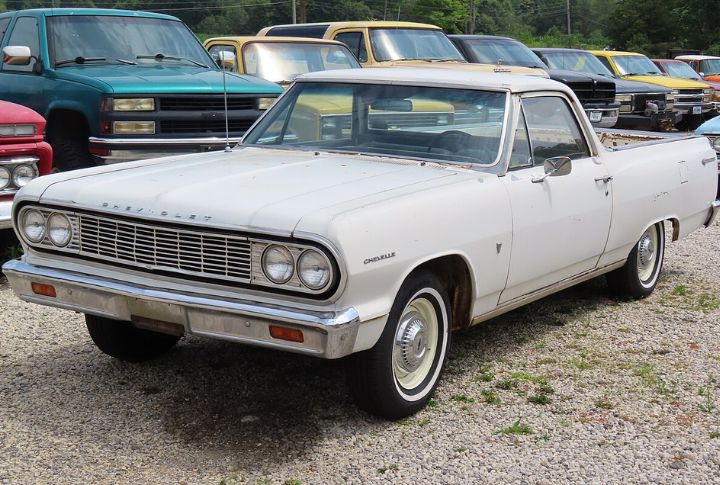
Despite being out of production for decades, the Chevrolet El Camino retains an iconic status within American automotive culture. It has a dedicated following among collectors who restore classic models from its prime years. A combination of performance capabilities alongside practical utility has left a legacy.