15 Successful Car Brands From Different Countries
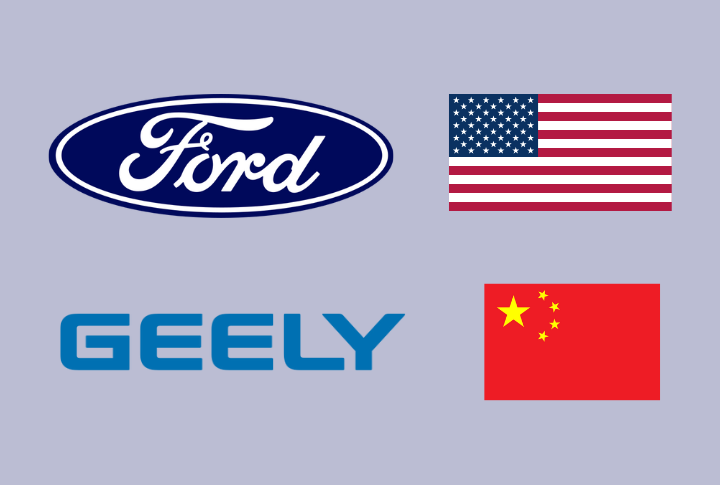
Automakers strive hard to grab the largest market share in any country. However, nothing beats a brand accepted in its country of origin. While many companies have failed to prosper at home, others have weathered different storms, becoming the best indigenous brands. Here are 15 of these successful carmakers.
Holden – Australia

Like other countries, Australia prides itself on Holden, a brand established in 1908. Holden thrived because it was specially made for Australian conditions. It features robust engineering and a strong connection with Australian identity. At its peak, Holden produced over 100,000 vehicles annually.
Geely – China

As the most populous country on earth, China is an ideal market for the automotive industry. Geely, founded in 1986 by Li Shufu, decided to enter this market first. Rapidly expanding its product lineup and acquiring established brands like Volvo and Lotus helped the company to thrive.
Škoda – Czech Republic

Initially, Škoda produced bicycles but later became an automobile manufacturer in 1925. It prospered by focusing on reliability and affordability. Around 1 million vehicles are produced annually, with a strong market presence in Europe. Škoda has survived wars and political change, which showcases its resilience.
Renault – France
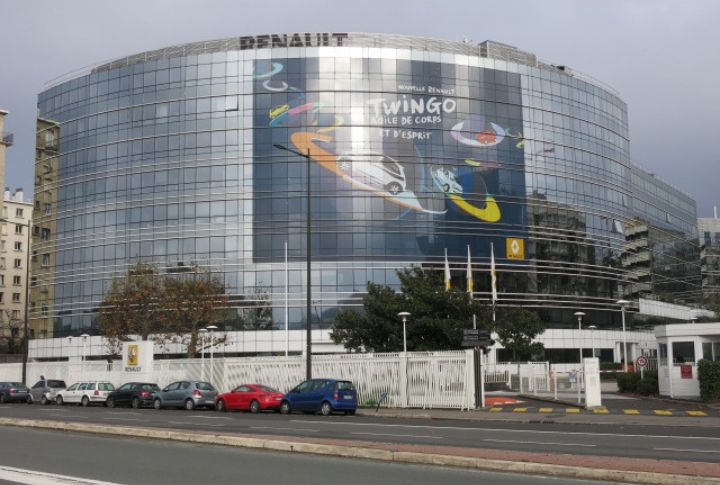
The Renault brothers established the company in 1899. Over time, it became a cornerstone of French automotive history. Focusing on innovation, sustainability, and accessibility, Renault builds cars for the everyday driver. On average, Renault sells 2.5 million vehicles annually and leads the French market.
Mercedes-Benz – Germany
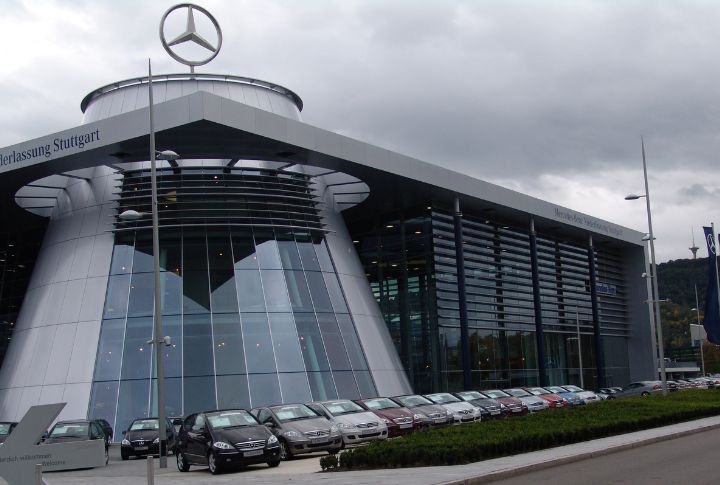
Mercedes-Benz’s origins go back to Karl Benz’s creation of the first gasoline-powered car in 1886. The brand’s slogan, “The Best or Nothing,” depicts luxury, performance, and cutting-edge technology. Currently, Mercedes-Benz sells around 2 million vehicles annually and has a dominant presence in the German and global markets.
Tata Motors – India
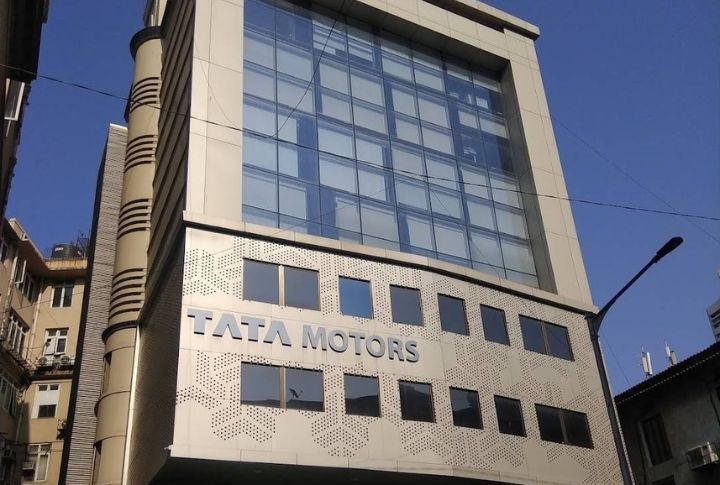
This brand is India’s largest automobile manufacturer. It caters to the unique needs of the Indian market by offering affordable, durable, and fuel-efficient cars. Its iconic brands include the Tata Indica and Nano. Notably, Tata was responsible for acquiring Jaguar Land Rover in 2008.
Ferrari – Italy
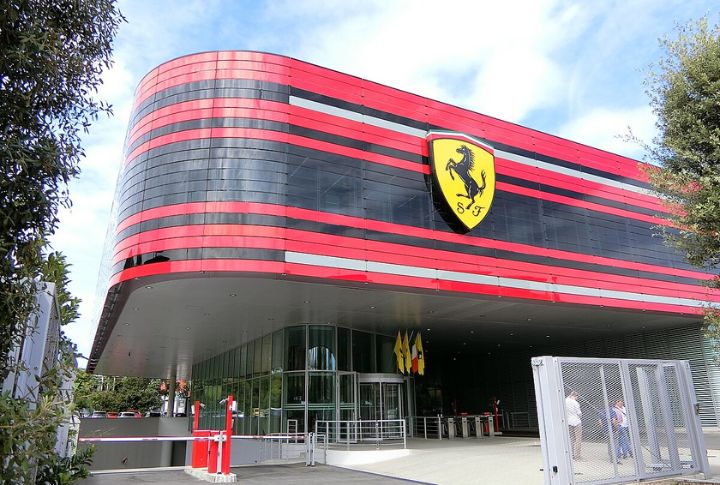
Ferrari, established by Enzo Ferrari in 1939, is a luxury brand whose philosophy revolves around crafting innovative high-performance sports cars. To maintain its elite status, the company has limited annual production to around 10,000 vehicles. Its legacy is celebrated through its dominance in motorsport.
Toyota – Japan
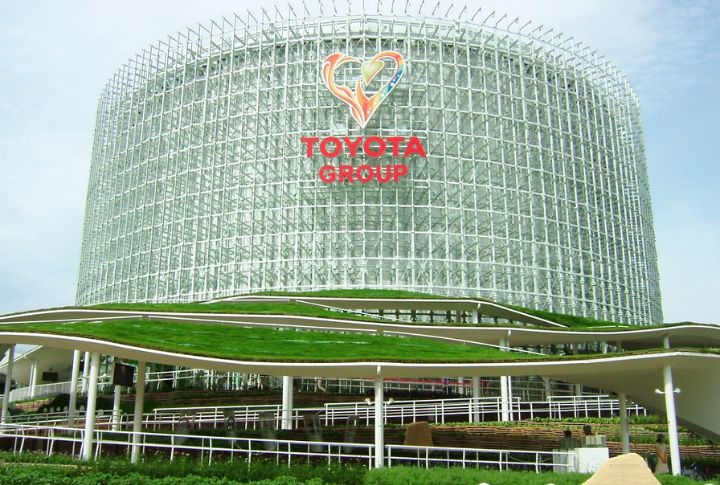
After Kiichiro Toyoda established Toyota in 1937, the company has since grown to become the world’s largest automaker, selling over 10 million vehicles annually. Known for reliable and fuel-efficient cars like the Corolla and Prius, it has pioneered hybrid technology and set standards for manufacturing excellence.
Proton – Malaysia
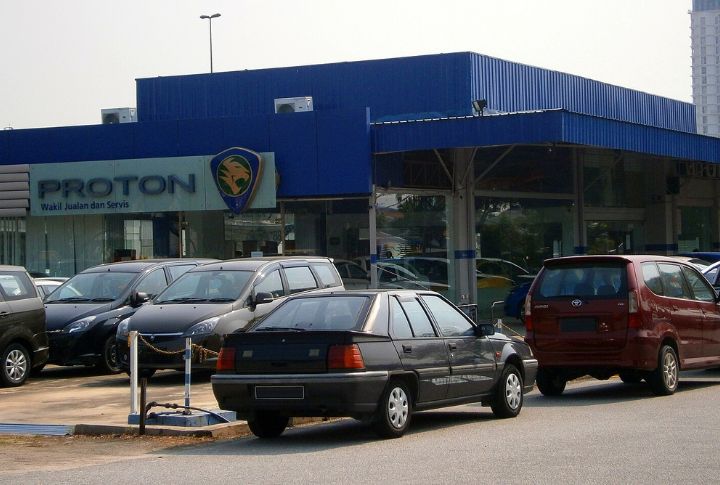
As Malaysia’s first car manufacturer, its establishment played a vital role in the country’s industrialization efforts. By releasing around 100,000 vehicles annually, the brand has a strong presence in Southeast Asia. The company sways this market using its affordability, national pride, and quality design innovations.
Mastretta – Mexico

Daniel Mastretta established the Mastretta, which became known for producing the country’s first sports car. Although production numbers were limited, with only a few hundred units produced annually, the Mastretta MXT became a symbol of Mexican engineering and innovation.
SEAT – Spain

SEAT (Sociedad Española de Automóviles de Turismo) is a state-owned company created to industrialize Spain. It began by producing affordable, reliable cars like the SEAT 600 tailored to the Spanish market. A huge part of its history includes a strong partnership with Fiat and later integration into the Volkswagen Group.
Hyundai – South Korea
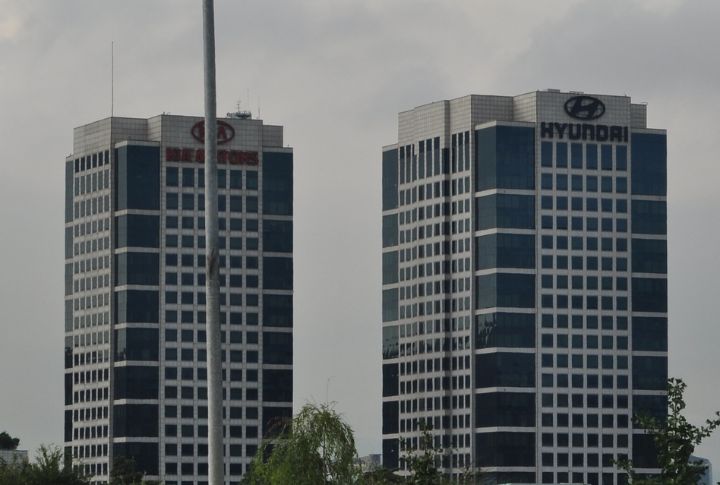
The South Korean company began production in 1967 and rapidly became a global automotive giant. It transitioned from a manufacturer of budget-friendly cars to a leader in design, technology, and sustainability. Iconic models like the Sonata and Ioniq EV have brought greater recognition to the brand.
Volvo – Sweden
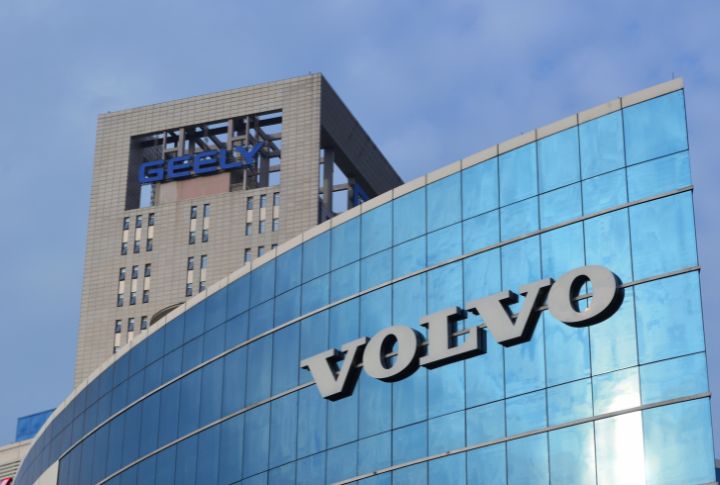
Among all leading brands, Volvo is known for its commitment to safety, durability, and Scandinavian design. Its principle, “Designed Around You,” emphasizes the creation of vehicles that prioritize driver and passenger well-being. Volvo sells about 700,000 cars annually, with a strong European market and growing in China and the U.S.
Rolls-Royce – United Kingdom
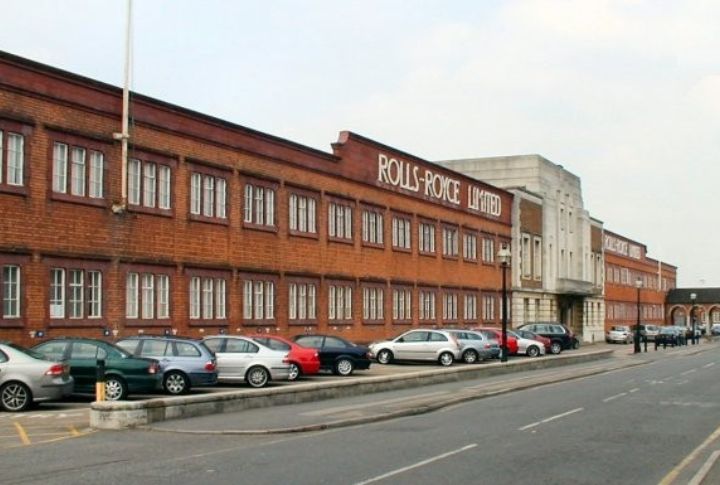
Two great minds, Charles Rolls and Henry Royce, founded Rolls-Royce in 1906. The brand still stands as a paragon of luxury and craftsmanship. By creating the best cars in the world and emphasizing quality, attention to detail, and bespoke services, it has managed to maintain exclusivity.
Ford – United States
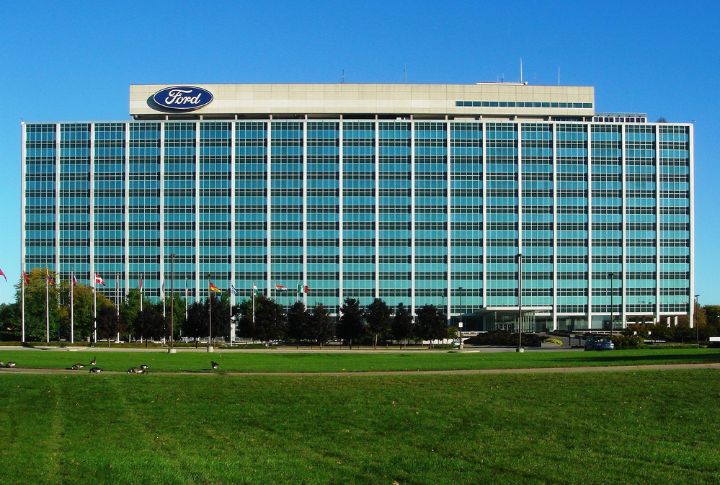
Since its launch in 1903, Ford Motor Company has revolutionized the automotive industry by introducing assembly-line production, which made its cars more affordable. With millions of vehicles sold annually, Ford is a pioneer of American engineering and a symbol of industrial growth.