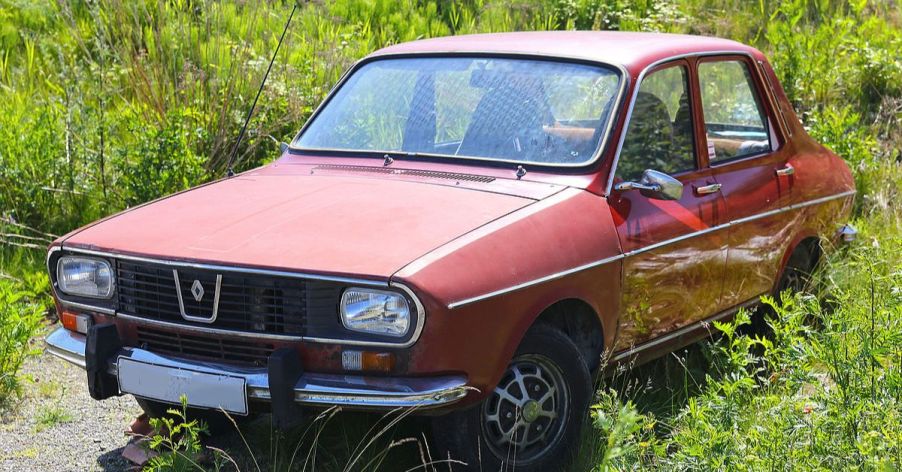
20 Sedans That Failed to Impress in the 1970s
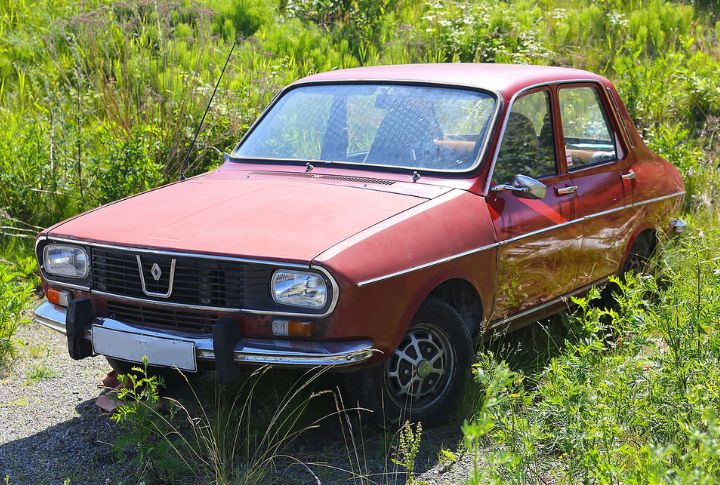
The 1970s brought a variety of sedans to the market, but not all found success. Various factors, including design choices, marketing missteps, and performance issues, contributed to their lack of appeal. This list highlights the sedans that failed to make a lasting impact, shedding light on what went wrong in an era of transition for the automotive industry.
AMC Matador
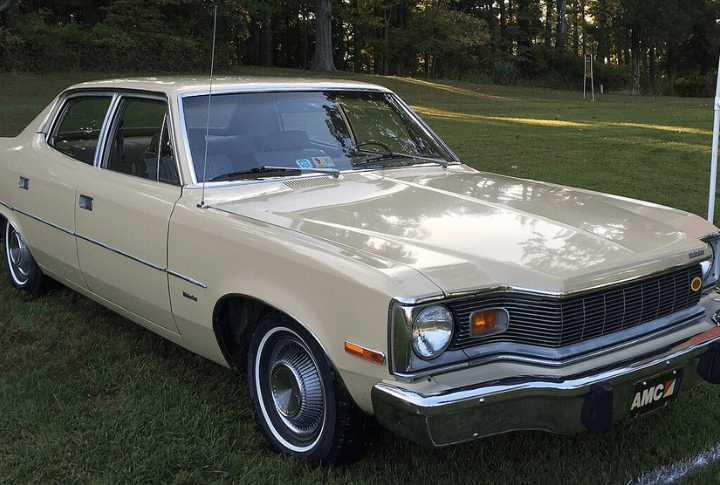
The AMC Matador struggled with its distinctive styling, which failed to resonate with consumers. Launched in 1971, it aimed for a sporty look but clients often criticized its awkward proportions. Ultimately, its unusual design choices alienated potential buyers, leading to disappointing sales figures.
Dodge Aspen
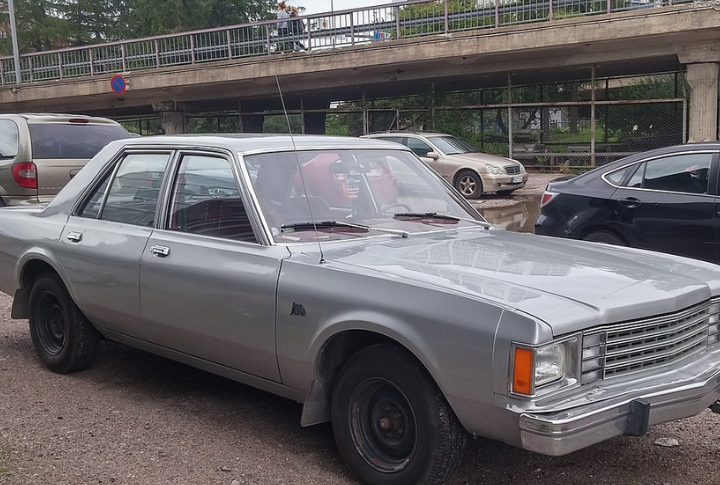
Dodge introduced the Aspen as a family-oriented sedan in 1976, but it quickly fell short of expectations. Issues with quality control and performance led to widespread dissatisfaction among consumers. Despite its promise, the Aspen became synonymous with mediocrity and its poor sales showed just that.
Plymouth Volaré
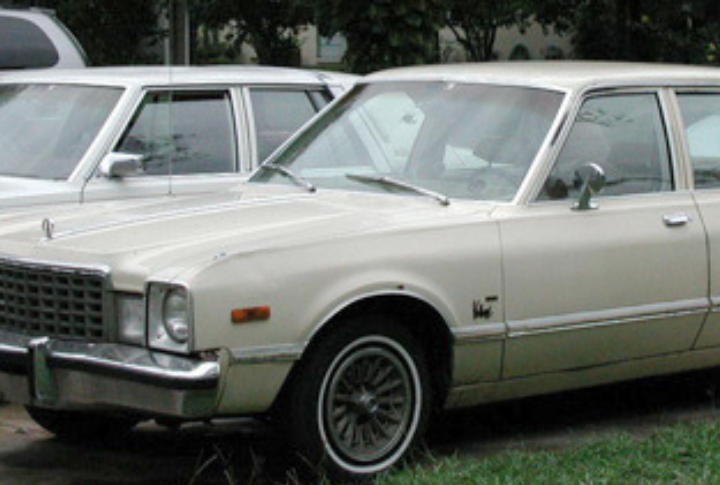
When the Plymouth Volaré hit the streets in 1976, it was touted as a stylish, compact alternative for the modern driver. Unfortunately, that sleek design couldn’t mask the performance issues and build quality concerns that soon surfaced. Due to this, many opted for other options instead.
Ford Pinto
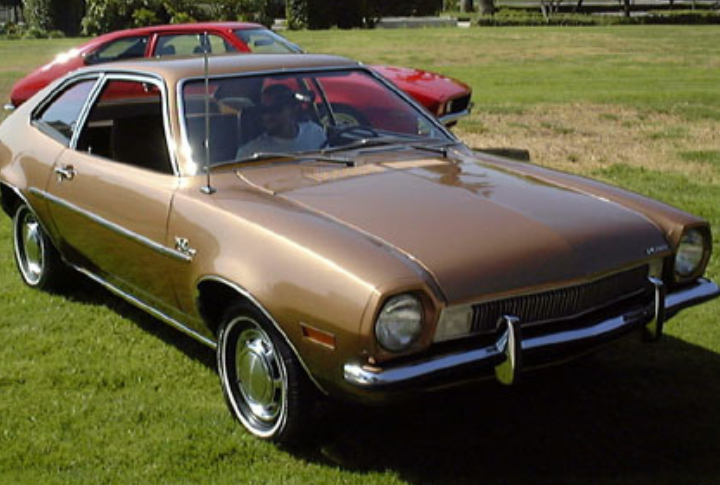
The Ford Pinto is often remembered not for its compact design or affordability, but for its notorious safety concerns. It came out in 1971, and quickly gained infamy due to dangerous fuel tank issues, leading to tragic accidents and lawsuits. This negative reputation overshadowed its initial appeal.
Chevrolet Nova
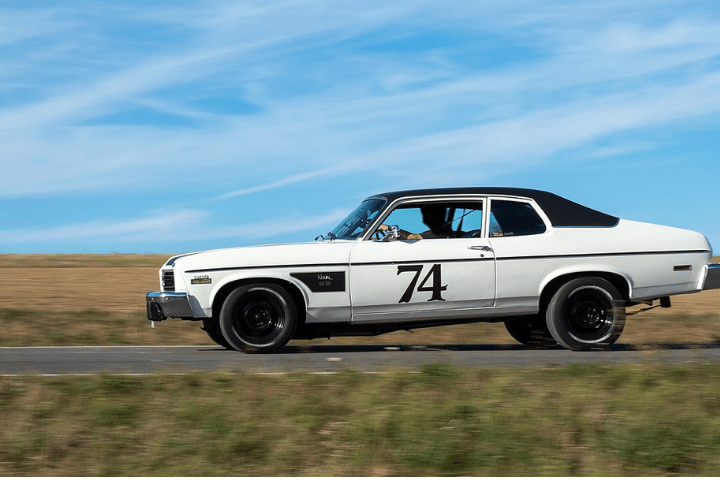
What happens when a car that once thrived loses its charm? The Chevrolet Nova offers a classic example. Initially, this sedan enjoyed popularity, but as the 1970s rolled on, inconsistent marketing strategies led to a decline. Advertisements struggled to engage the evolving taste, resulting in diminished sales.
Toyota Corona
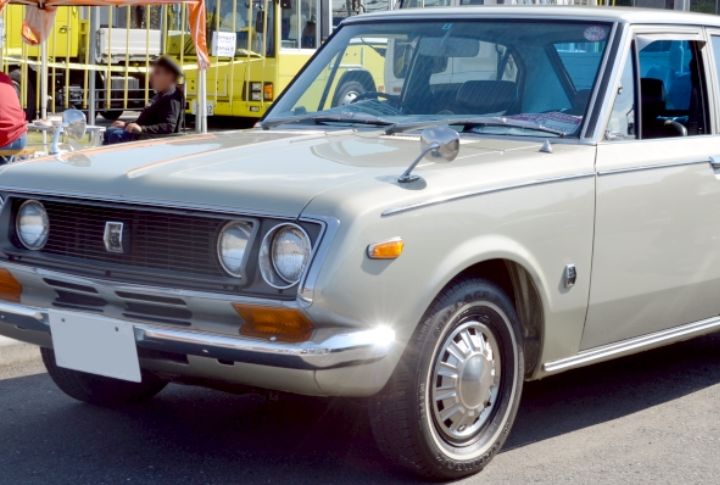
Toyota’s Corona entered the U.S. market in the 1970s and struggled to make an impact. Its styling and features failed to resonate with American consumers. Although it was reliable, its blandness prevented it from standing out amid fierce competition.
Chrysler Cordoba
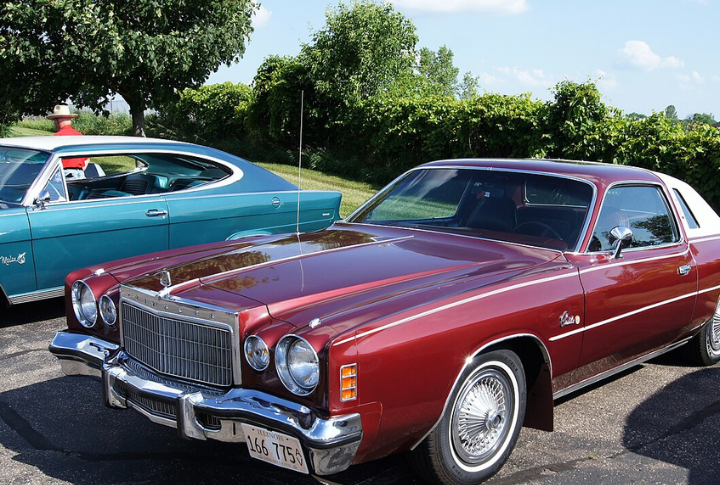
“I can’t believe it’s not butter!” might as well apply to the Chrysler Cordoba’s marketing claim of “soft Corinthian leather.” Released in 1975, this luxury sedan struggled with performance, leaving buyers disappointed. Even with its upscale features, sales took a nosedive in the following years.
OldsmobileOmega
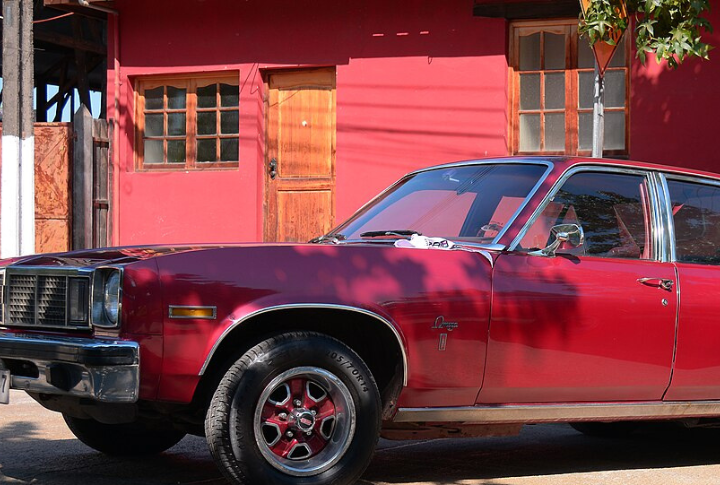
In its debut year of 1973, Oldsmobile projected hopes of selling 100,000 Omegas. Sadly, the reality fell short as the model’s unexciting design and lack of performance options turned away potential buyers. This underwhelming reception left the Omega struggling for attention in a competitive compact market.
Volkswagen Dasher
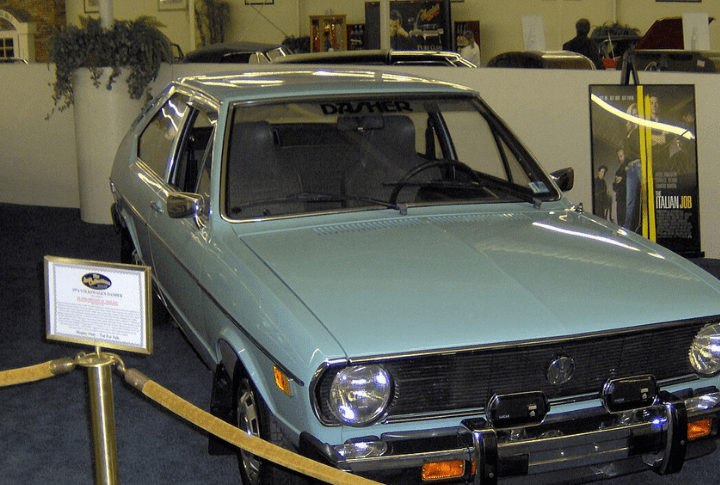
The Volkswagen Dasher aimed to rival American sedans yet it underperformed in several areas. Released in 1974, it had reliability and performance problems that turned consumers away. Even with its fuel efficiency, the Dasher struggled to gain a meaningful market share, leaving many potential buyers disappointed.
Buick Skyhawk
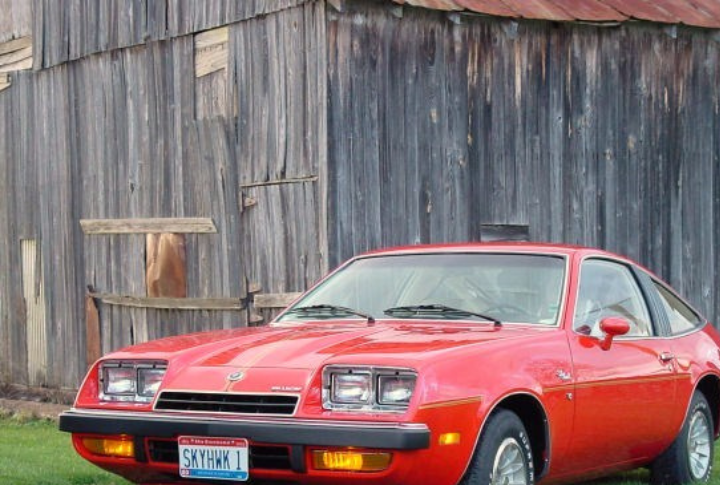
How does a car go from debuting with potential to becoming an afterthought? The Buick Skyhawk, introduced in 1975, quickly struggled to make its mark. Its outdated performance and styling failed to impress, leading to a lackluster reception in the compact sedan market.
Honda Accord
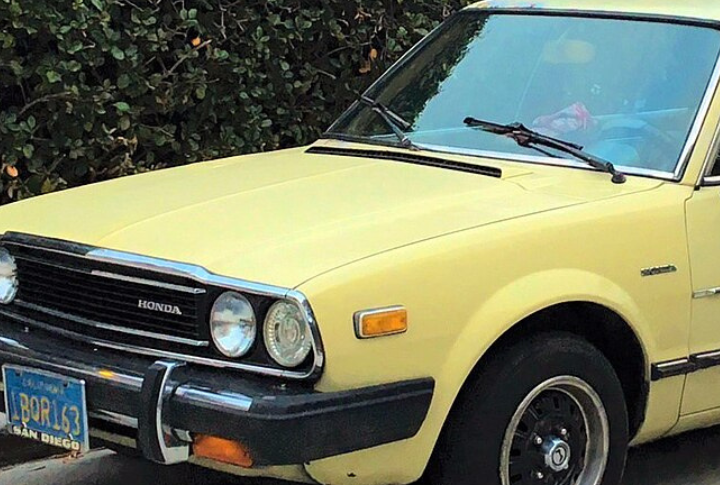
The Honda Accord entered the U.S. market in 1976, but its initial reception was lukewarm. While it would later become a bestseller, early models faced criticism for build quality. Honda learned from these early stumbles and eventually improved the Accord’s reputation, as a late bloomer.
Mercury Monarch
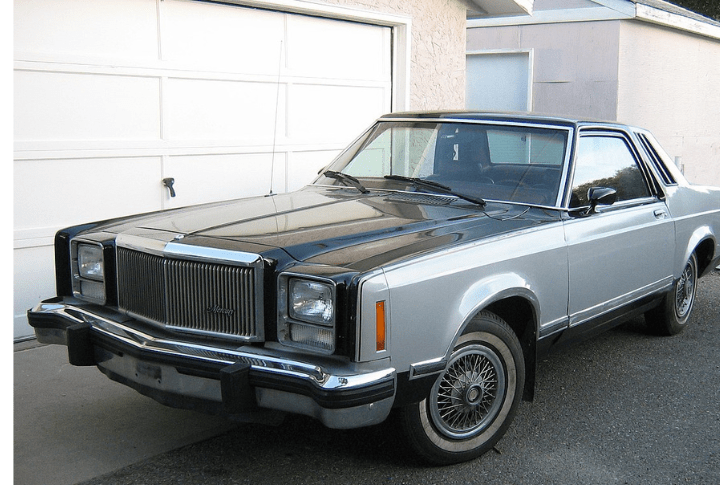
Introduced in 1975, the Mercury Monarch aimed to fill the gap between economy and luxury. However, it lacked distinguishing features that could set it apart from competitors. Consumers often overlooked it in favor of more popular models, resulting in low sales figures.
Datsun 510
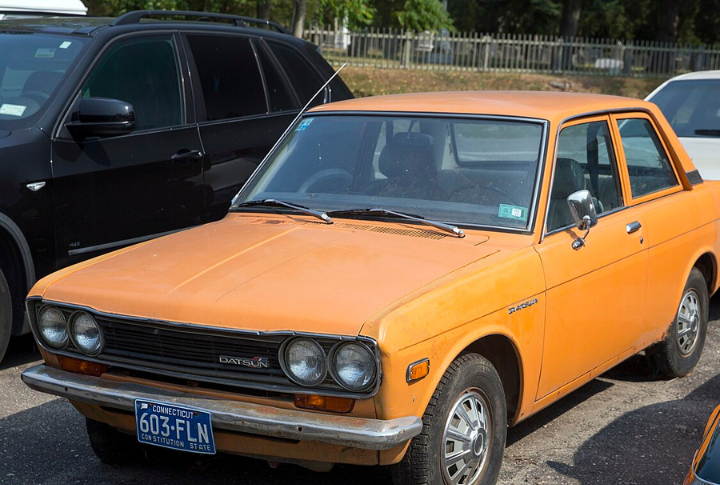
“It’s not just a car; it’s a lifestyle.” The Datsun 510 captured the hearts of enthusiasts with its racing roots but struggled to achieve significant mainstream sales in the competitive market. Its lightweight design and agility made it a favorite among car enthusiasts, but this appeal didn’t translate into widespread commercial success.
Mazda 616
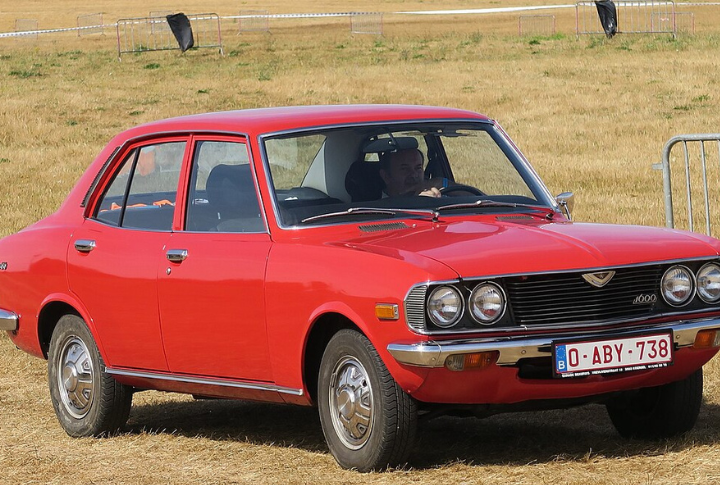
Only about 5,000 Mazda 616 models were sold in the U.S. during its launch year. Despite its introduction in 1972 as a compact sedan, it failed to resonate with buyers. Competing models offered better performance and reliability, leaving the 616 struggling to make a mark.
Rover SD1
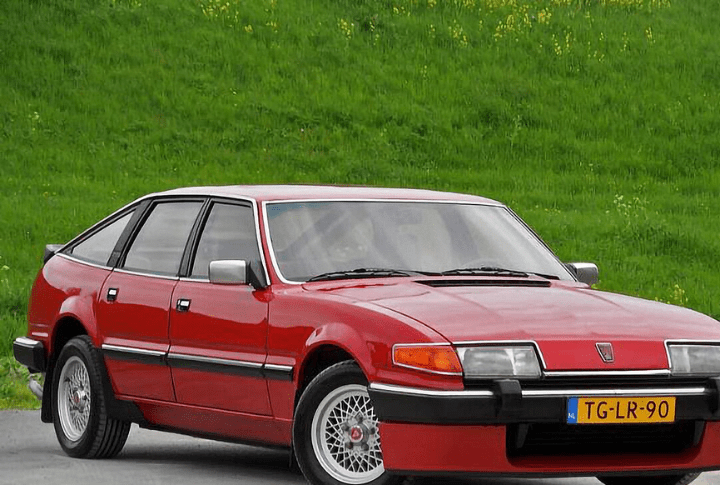
The Rover SD1 was designed with car enthusiasts in mind, showcasing sleek lines and some innovative features that made it stand out. Unfortunately, it didn’t quite hit the mark in terms of quality. These issues affected its reputation and resulted in sales that didn’t reflect its stylish ambitions.
Lancia Beta
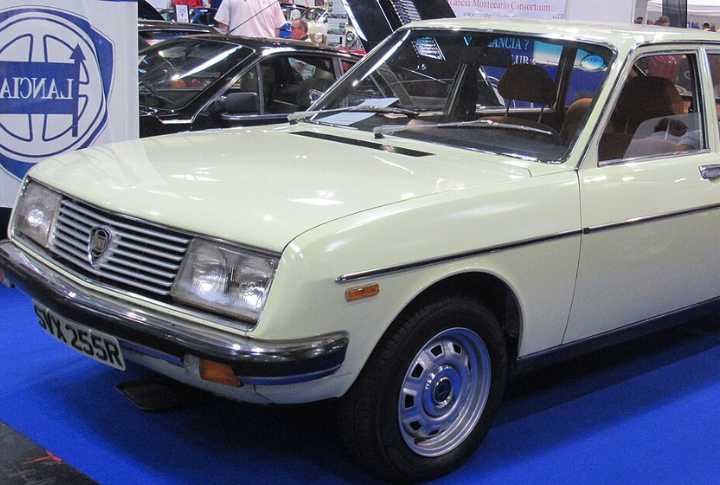
In the late 1970s, over 60% of consumers prioritized reliability in their vehicle purchases. The Lancia Beta, despite its chic design, struggled to meet these expectations. Lacking the performance buyers anticipated, its stylish appearance faded into the background.
Subaru Leone
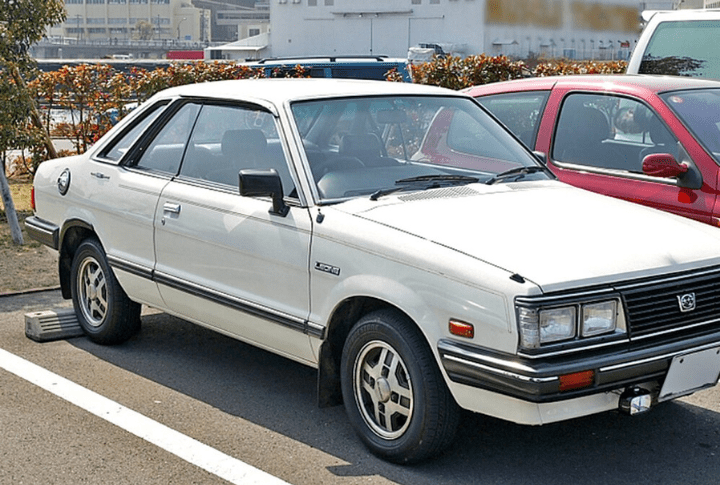
Many American buyers missed out on a hidden gem in the 1970s. The Subaru Leone debuted in 1972 as a compact sedan but struggled with brand recognition. Despite its innovative all-wheel-drive system, users often turned to more established competitors, resulting in disappointing interest in this model.
Renault 12
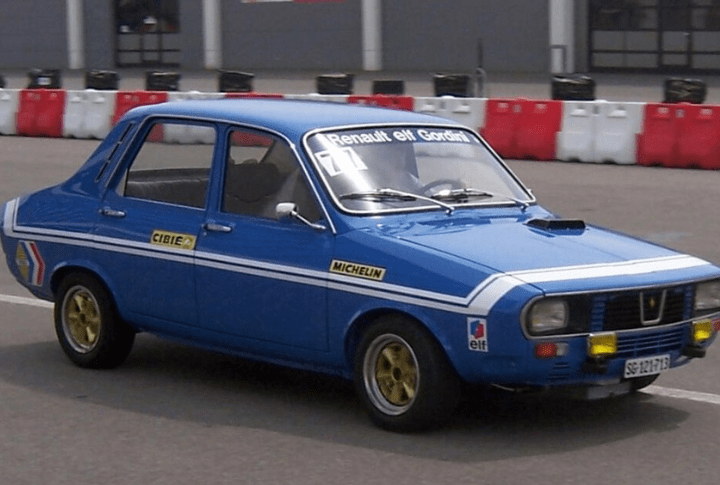
The Renault 12 made its U.S. debut in 1971 and didn’t leave a lasting impression. While its economical design caught some attention, consumers were disappointed with its performance in key areas. This lack of excitement contributed to a lackluster reception and low market traction.
Peugeot 604
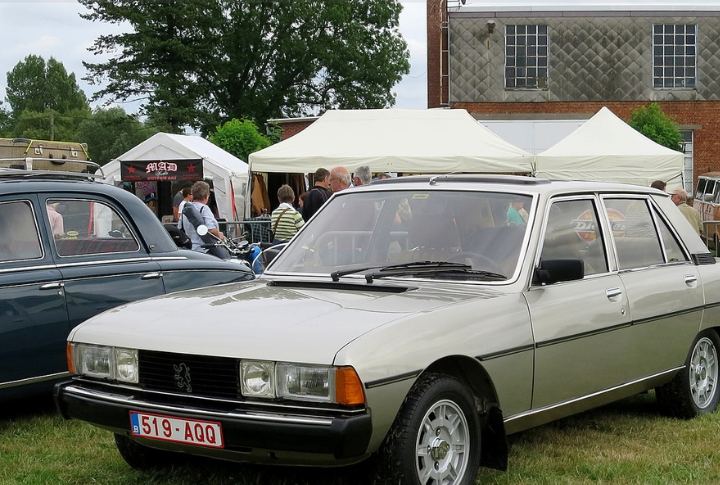
Was Peugeot’s ambition to enter the luxury sedan market too ambitious with the 604? Launched in 1975, it featured a unique design and sought to compete with more established brands. The Peugeot 604 aspired to compete with established luxury brands but encountered significant hurdles.
Nissan Violet
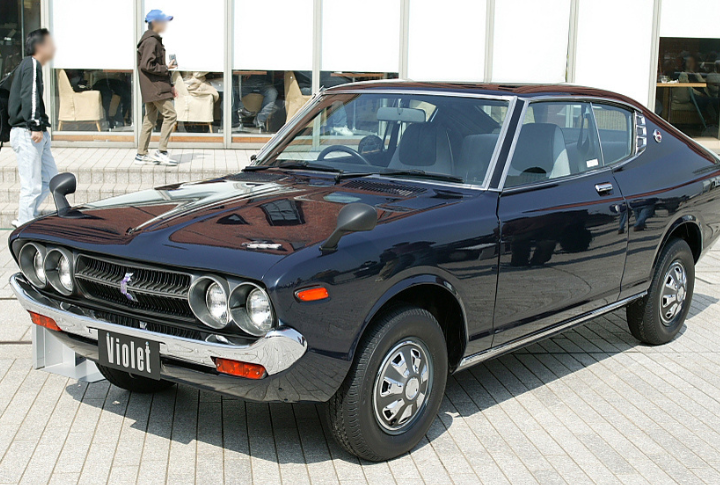
This model came out in 1971 and aimed to attract buyers in the compact sedan market. However, many of you might not have heard of it due to its limited brand recognition. Competing against well-known models, consumers often gravitated toward more familiar options.