15 Practical Ways To Slash Fuel Consumption
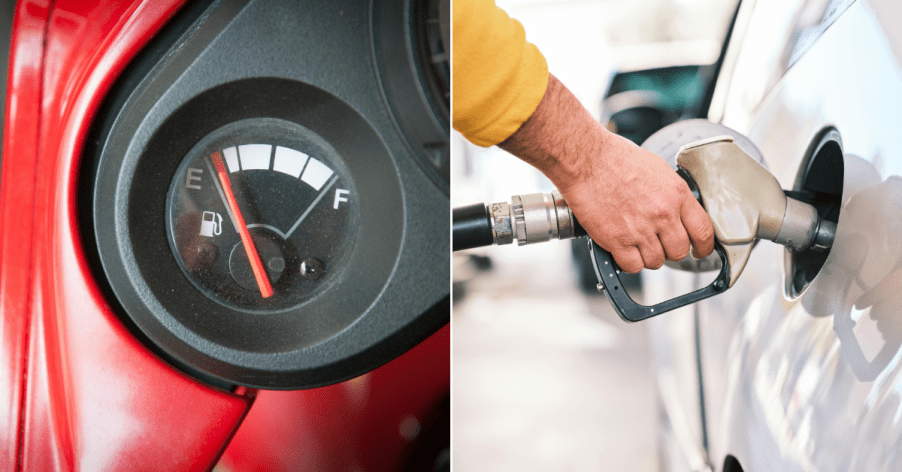
In today’s world, reducing fuel consumption has never been more important. Rising gas prices, environmental concerns, and the increasing demand for fossil fuels all contribute to the need for more efficient driving habits. So, if you want to maximize fuel efficiency, here are 15 practical ideas that will make a significant difference.
Maintain Proper Tire Pressure
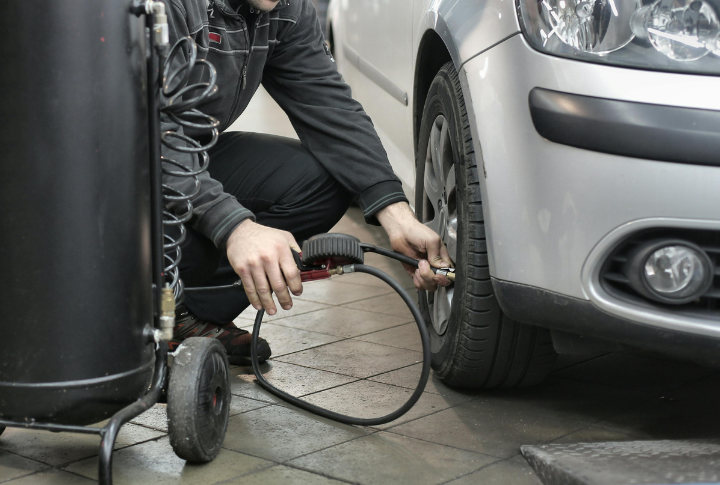
Maintaining the manufacturer’s recommended tire pressure is essential for optimal fuel efficiency. Under-inflated tires increase rolling resistance, which means the engine has to use more fuel to maintain speed. Check tire pressure at least once a month and after temperature changes, as cold weather reduces pressure.
Use Cruise Control
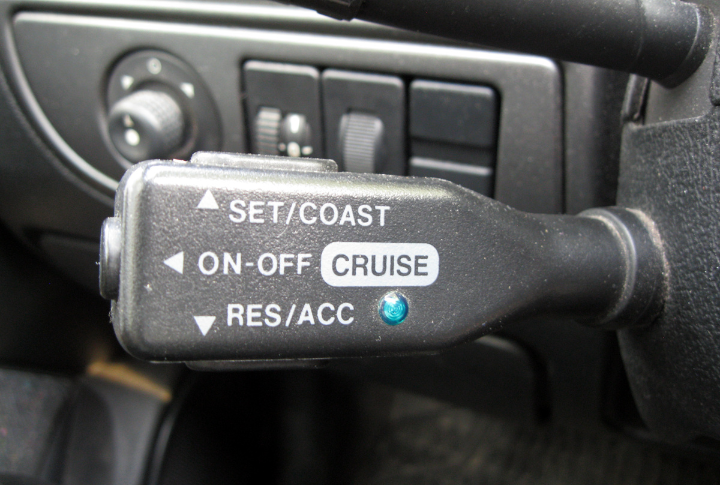
Using cruise control on flat highway drives keeps your car at a steady speed. A publication by the Environmental Protection Agency (EPA) mentions that constant speeds of 55–65 mph can save up to 7–14% on fuel consumption. However, using cruise control on hilly terrain forces the engine to work harder.
Avoid Prolonged Idling
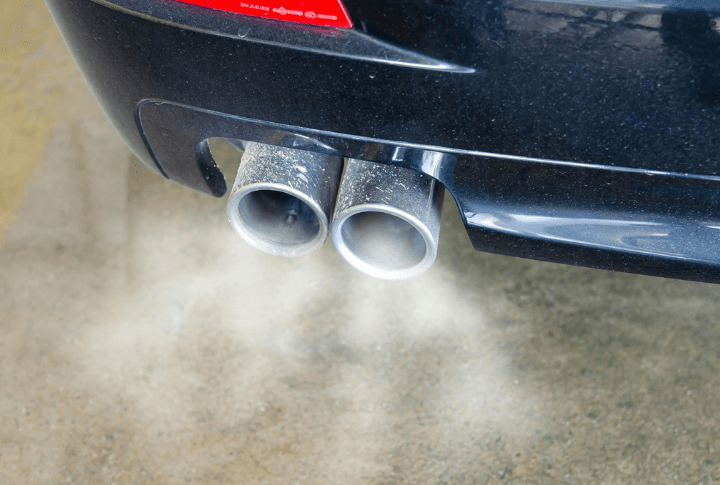
Modern engines are highly efficient at restarting, so prolonged idling is wasteful. Instead of idling when waiting in traffic jams, turn off the engine. Restarting the car uses the same amount of fuel as idling for 10 seconds, whereas idling for an hour consumes about half a gallon of fuel.
Limit Air Conditioning Use
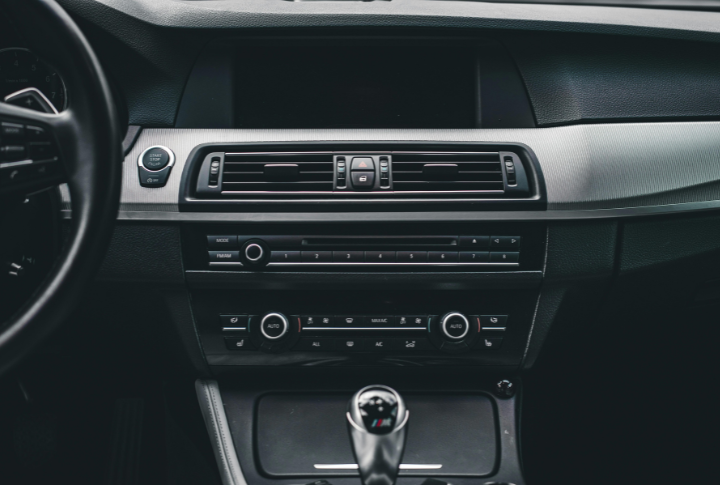
The air conditioner can reduce fuel economy by up to 25%, especially at low speeds. Use it sparingly in city driving, where its impact on fuel consumption is most noticeable. Open windows increase drag at highway speeds, so moderate use of air conditioning is more efficient.
Remove Excess Weight

Extra weight increases the energy required to move your vehicle. Data from the US Department of Energy states that for every 100 pounds removed, you can improve fuel economy by about 1–2%. The effect will be more noticeable in smaller cars, where added weight impacts fuel usage more.
Use the Correct Motor Oil
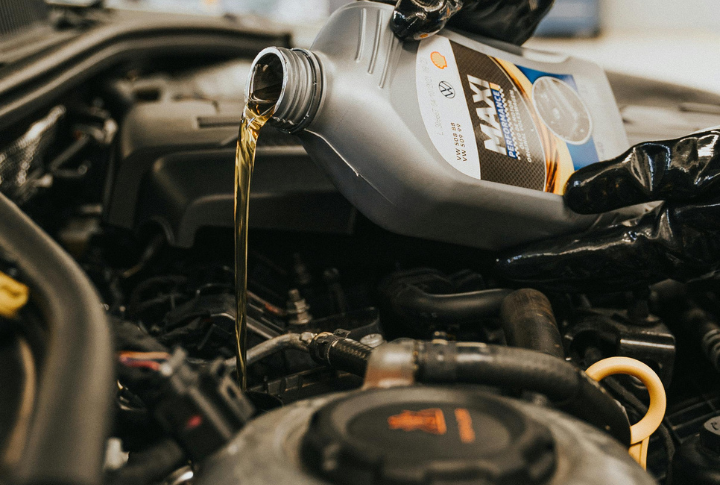
Using the wrong kind of motor oil in your vehicle can significantly decrease fuel efficiency. Check your car’s manual and use the recommended viscosity. Thicker oil causes more engine friction, forcing it to burn more fuel to overcome resistance. It is best to look for oils labeled “energy-conserving.”
Use Overdrive Gears
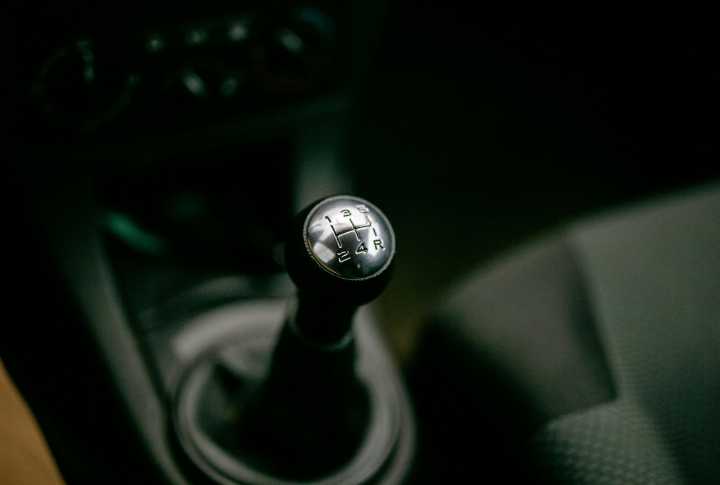
Overdrive gears lower engine RPM, meaning the engine runs at lower speeds. When RPMs are reduced, fuel consumption decreases significantly. According to the US Department of Energy, this extends fuel efficiency by up to 15%. Ensure you always engage the overdrive when cruising at constant speeds on highways.
Drive at Moderate Speeds
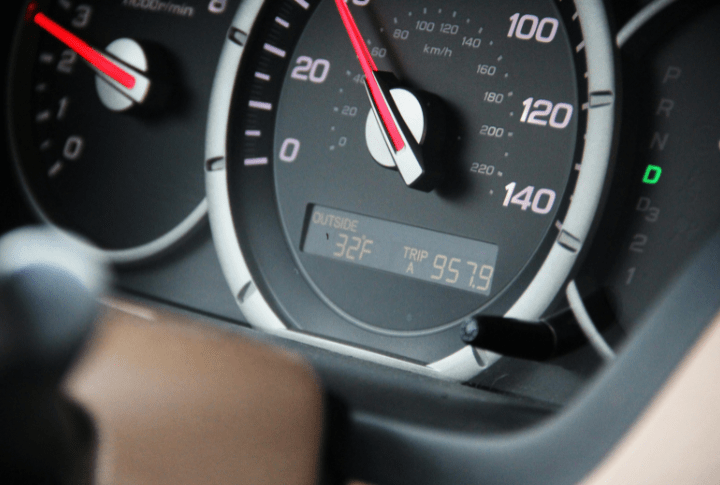
Driving at 55–65 mph is the sweet spot for most vehicles regarding fuel efficiency. Speeding wastes fuel and increases aerodynamic drag, requiring more energy to overcome resistance. On the contrary, maintaining a steady, moderate speed on highways ensures you stay in the most fuel-efficient range.
Perform Regular Vehicle Maintenance
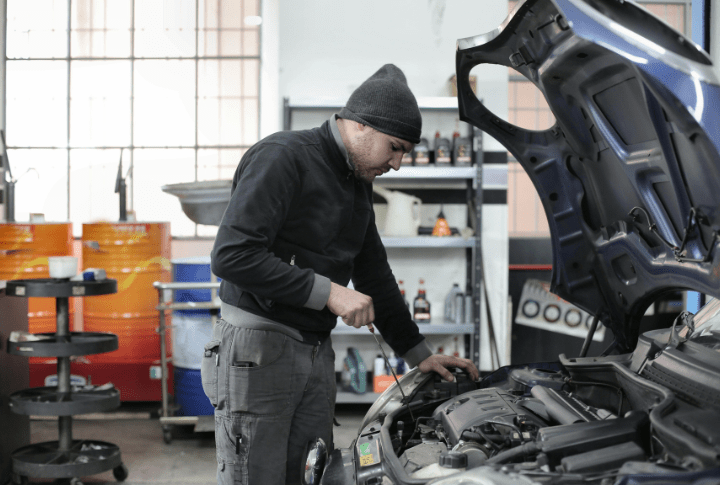
Driving at 55–65 mph is the sweet spot for most vehicles regarding fuel efficiency. Speeding wastes fuel and increases aerodynamic drag, requiring more energy to overcome resistance. On the contrary, maintaining a steady, moderate speed on highways ensures you stay in the most fuel-efficient range.
Plan Efficient Routes

Combining trips minimizes the number of cold starts, where engines are less efficient. According to the Automobile Association of America, a cold engine uses more fuel for the first 5 miles of driving. Therefore, plan your route to avoid backtracking and hit multiple destinations in one trip.
Reduce Drag with Proper Windshield Wipers

While this might seem minor, improperly fitted or raised wipers can affect the car’s aerodynamics, especially at higher speeds. Always ensure your wipers are correctly sized and retracted when not in use. Even minor improvements in aerodynamics can reduce drag enough to save fuel.
Monitor and Replace the Air Filter
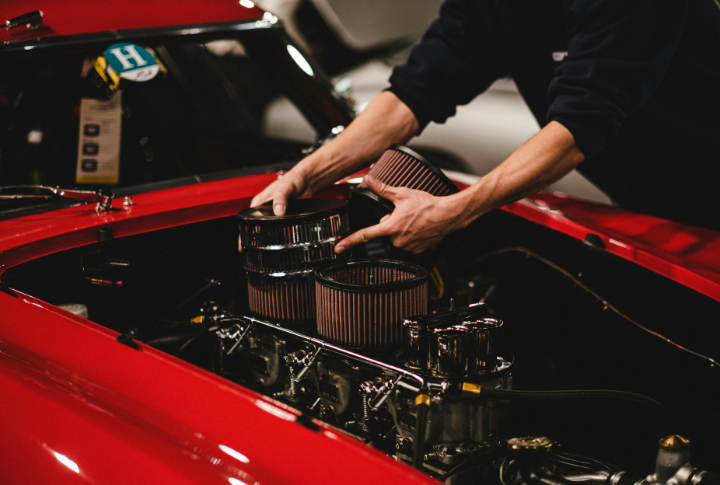
Dirty air filters prevent air from flowing into the engine, making it work harder and use more fuel. To avoid this, endeavor to replace dirty filters, especially in older vehicles. Air filters have less impact on fuel efficiency for modern cars with fuel-injected engines.
Use Fuel with the Correct Octane Rating
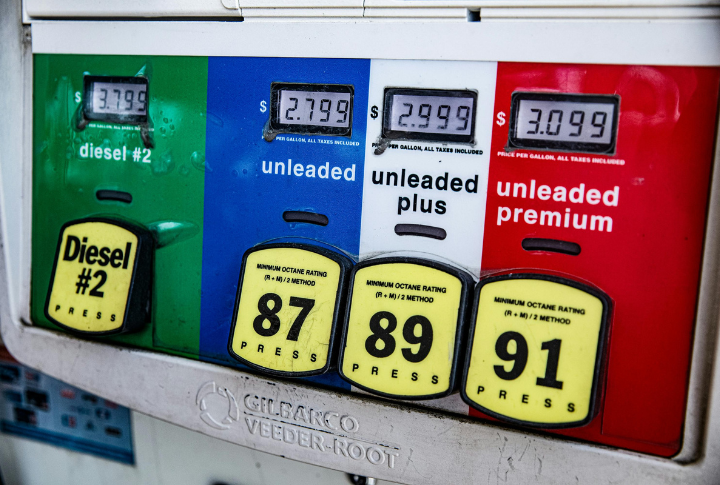
Using premium gas when your vehicle doesn’t require it offers no performance or fuel economy benefits. Instead, it costs significantly more because only a few cars are designed to run efficiently on regular fuel. Therefore, only use higher-octane fuel if your vehicle manual recommends it.
Avoid Carrying Heavy Roof Cargo

Roof-mounted cargo boxes increase wind resistance, which can negatively impact fuel efficiency. Whenever possible, store items inside the vehicle. If roof cargo is necessary, use low-profile, aerodynamic boxes designed to minimize drag and pack as lightly as possible to reduce overall vehicle weight.
Accelerate and Brake Smoothly
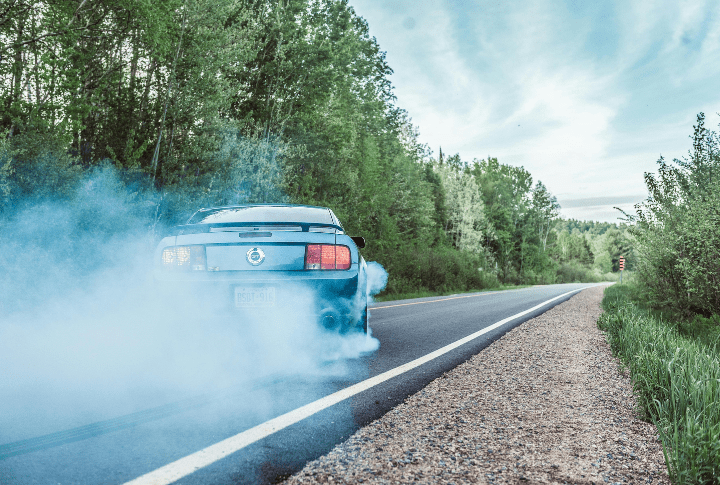
Rapid acceleration and hard braking waste significant amounts of fuel because they force the engine to work harder. However, information from the US Department of Energy states that accelerating gently and braking smoothly can increase fuel efficiency by up to 20%. This approach also reduces brake wear.