When can police officers lie to you during a traffic stop?
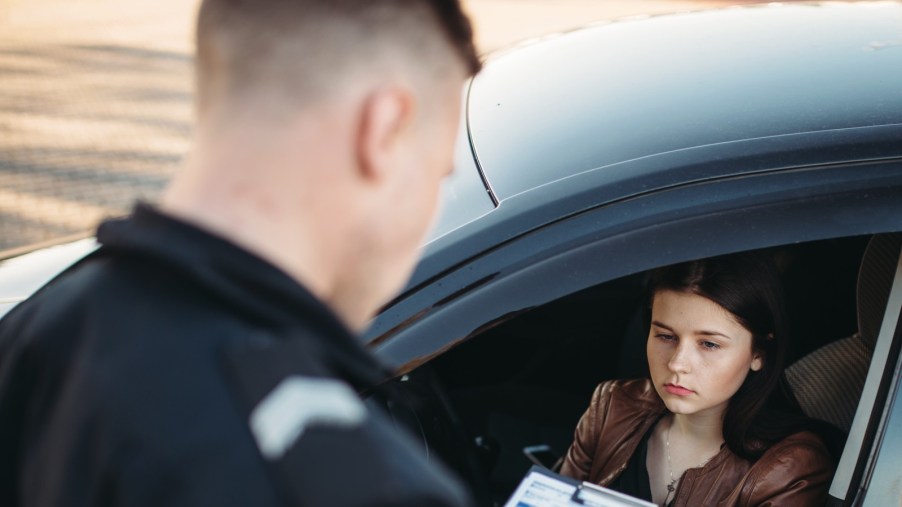
Imagine this: You are driving along the highway and a police cruiser pulls you over. The officer asks, “Do you know why I stopped you?” You search your memory and can think of nothing you did wrong. The cop says, “Because you failed to signal before changing lanes.” Then they begin to question you about who you are and where you’re going. But you know you didn’t change lanes at all, and you never failed to signal: the police officer is lying.
This isn’t a hypothetical situation. This is the back-and-fourth from a real traffic stop in Montana late one night. The driver who was subsequently arrested took the case to court and The United States Court of Appeals for the Ninth Circuit reviewed ruled the police were allowed to lie if they already had “reasonable suspicion to believe that criminal activity may be afoot.”
That’s right. Another investigation–this one by the DEA–found evidence that a pair of latino men might be driving through Montana in the middle of the night transporting drugs, in a car that was either black, white, or green.
Hector Magallon-Lopez and his friend were driving a green VW, so highway patrol stopped him. They stopped him along with who knows how many similar suspects that night. In the case of Magallon-Lopez, they were right: they found meth in his car. And that may be why the Court of Appeals ruled so favorably. But the implications could change traffic stops forever.
This appears to set a precedent that police officers can pull you over if you match a description of a suspect. How closely? Well apparently gender and race is close enough. Then they can lie about why they stopped you while investigating you for the crime this suspect committed. Experts are understandably concerned.
The lawyers at Greg Hill and Associates reviewed the case and concluded, “We do not like this opinion at all. It seems to open up a loophole for officers to make pre-textual stops and then later claim they knew certain things, when in fact they did not at the time of the stop.”