
Police use the ‘no refusal’ loophole to force a breathalyzer test on you
Imagine this: a police officer pulls you over late at night. You haven’t been drinking, but when they ask you to take a breathalyzer test, you refuse. In some states, you might think you’re buying time or safeguarding your rights. Think again. Thanks to a “no refusal” loophole, police can now ring up a judge who’s on call to issue a warrant immediately—leaving you no way out of that test.
How the ‘no refusal’ loophole works
The “no refusal” policy arose to counter drivers who exploited the legal system. Savvy drivers would invoke their right to refuse a breathalyzer test, effectively stalling for time. In many cases, the department needed to wake a judge, request a warrant, and deliver it to the scene. This delay allowed drivers’ blood alcohol content (BAC) to fall, potentially dodging DUI charges.
These drivers were relying on their fourth amendment right to not face “unreasonable searches and seizures.” But police departments have found a loophole.
“No refusal” initiatives eliminate this window of opportunity. States implementing these policies have judges available 24/7, often during high-enforcement periods like holidays. Once a driver refuses a breathalyzer, the officer can request a warrant electronically. Judges review and send warrants directly to the officer’s in-car computer or smartphone within minutes. Once the warrant is issued, refusal becomes a serious offense, such as obstruction of justice.
Currently, 27 states authorize “no refusal” policies, though only nine actively enforce them. These programs are particularly common in Texas, Arizona, and Tennessee. Some states even run publicized “no refusal weekends” to warn drivers and discourage refusals.
Implied consent: another layer of enforcement

Even without a “no refusal” policy, implied consent laws make breathalyzer refusals costly. Under implied consent, your decision to drive on public roads is legally interpreted as pre-consent to chemical sobriety tests, including breath, blood, or urine analysis.
Refusing a breath test doesn’t mean police will let you off the hook. It can lead to fines, license suspensions, and the refusal being used against you in court. The Supreme Court upheld these policies in Birchfield v. North Dakota (CNN).
The court differentiated between breath and blood tests, ruling that breath tests are less invasive and justified without a warrant. In contrast, officers must obtain a warrant for a blood test unless the driver is unconscious.
What drivers should know
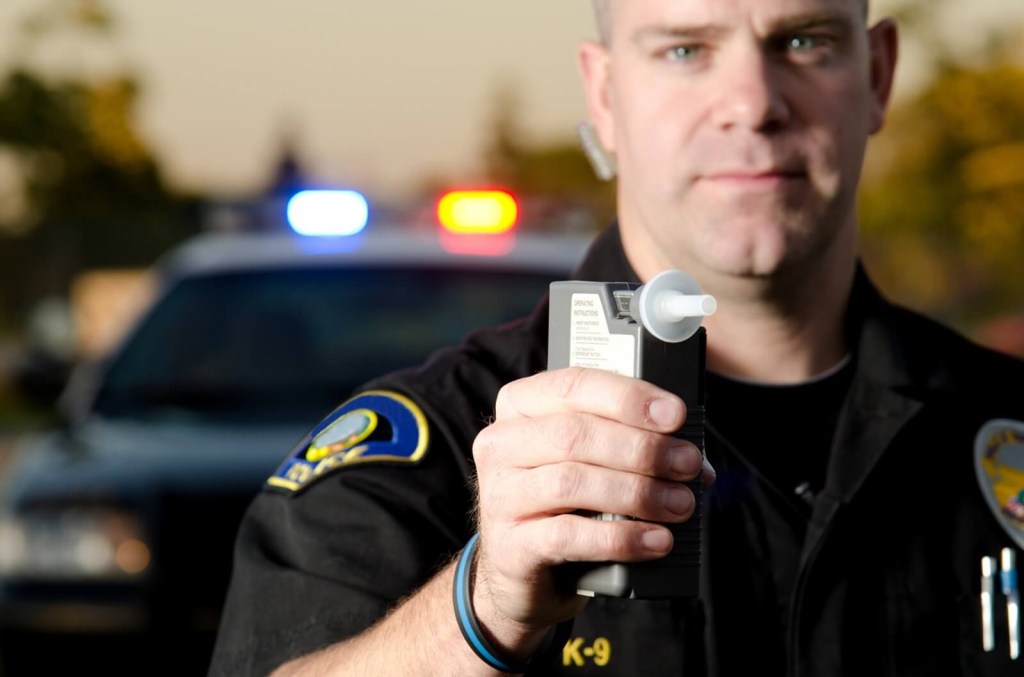
Refusing a breathalyzer test might feel like asserting your rights, but it often backfires. No refusal policies and implied consent laws stack the deck against non-compliance. With quick warrants and automatic penalties for refusals, you’re unlikely to avoid consequences.
The best advice? Stay informed about your state’s DUI laws and, above all, avoid driving under the influence altogether. Whether you refuse the test or not, the system is designed to catch impaired drivers—and you might end up with more penalties for refusing than taking the test.