15 Efficient DIY Car Repairs
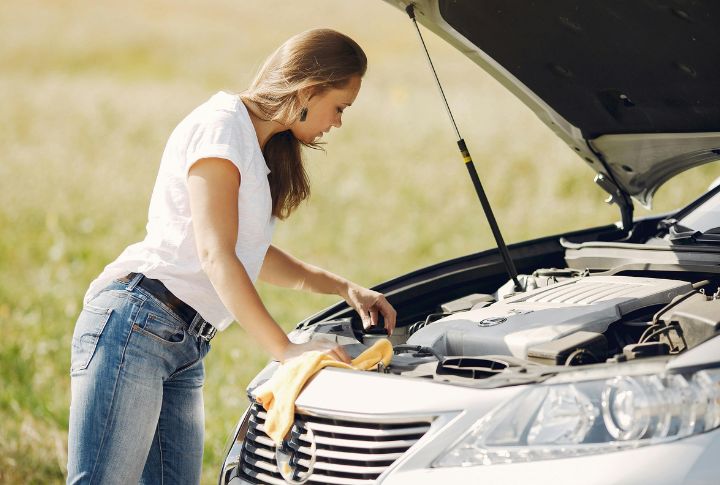
Not every fault in your car requires a trip to the auto repair shop or dealership. Instead of spending that extra money and time, you can learn to repair these issues using basic tools and repair kits. So, here are 15 DIY car repairs and a guide on how to tackle them!
Changing The Oil
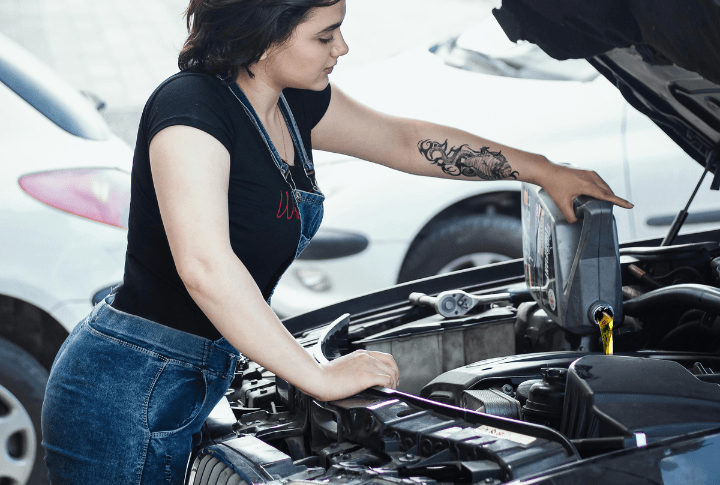
To change the oil, you’ll need an oil filter, an oil pan, and the correct type of oil. First, lift the car with a jack, then drain the old oil by unscrewing the drain plug. After that, replace the oil filter, reattach the plug, and pour in fresh engine oil.
Replacing Windshield Wipers
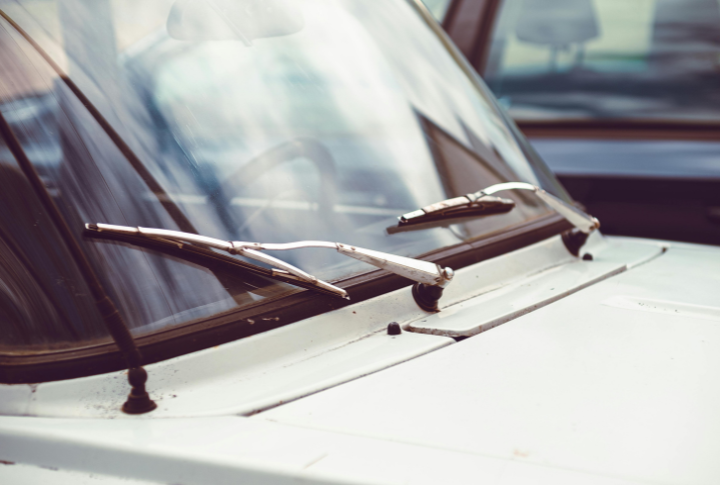
Windshield wipers wear out over time, causing streaks on your windshield and reducing visibility. Lift the wiper arms away from the windshield, press the release tab, and slide the old wiper blade off. Then, slide the new wiper blade into place until it clicks.
Replacing Air Filters
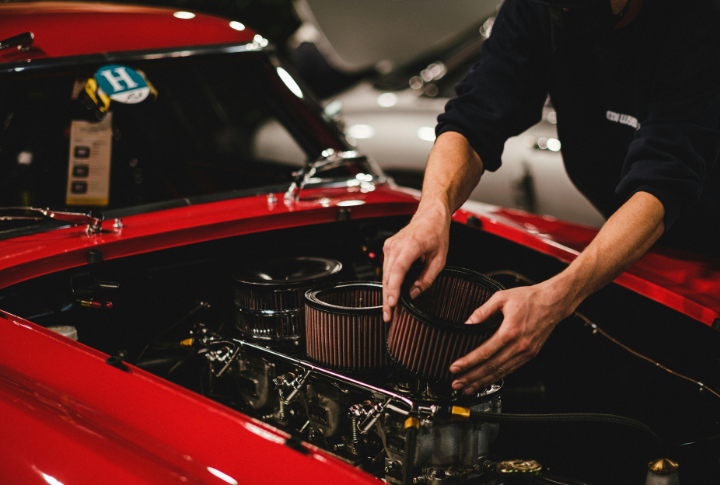
A dirty air filter can reduce engine performance and fuel efficiency, and changing it requires no special tools. Open your car’s hood, locate the air filter box (usually near the engine), and open the box. Remove the old filter and drop in a new one.
Replacing Headlight Bulbs
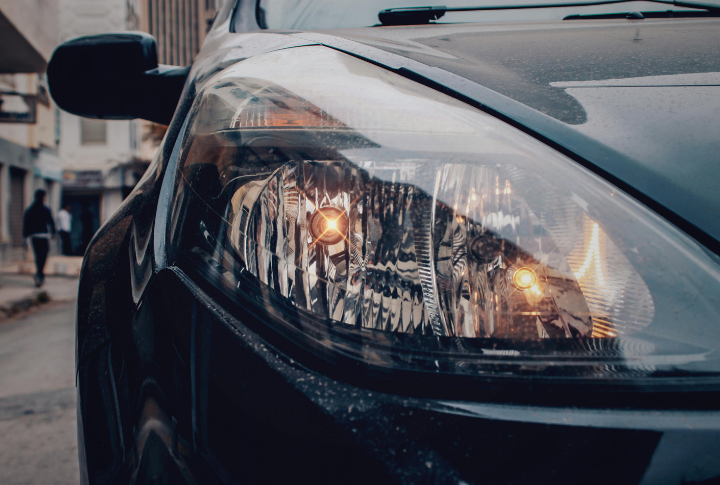
To replace dim or broken headlights, open your car’s hood and locate the back of the headlight assembly. Twist the bulb holder to remove the old bulb. Insert the new bulb without touching it with your fingers if they are oily. Lastly, secure the bulb in place.
Replacing A Battery
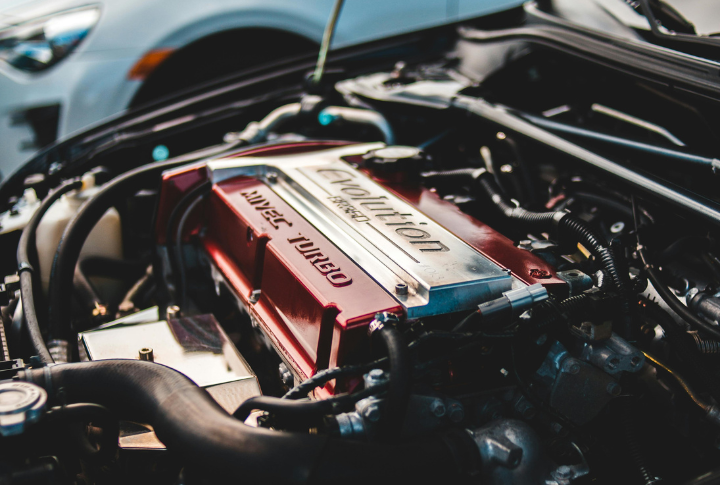
When replacing your battery, disconnect the negative terminal first, followed by the positive terminal. The next step is to remove any bracket holding the battery in place and then lift it out. Insert the new battery, secure it, and reconnect the terminals in reverse order, positive first.
Fixing A Flat Tire
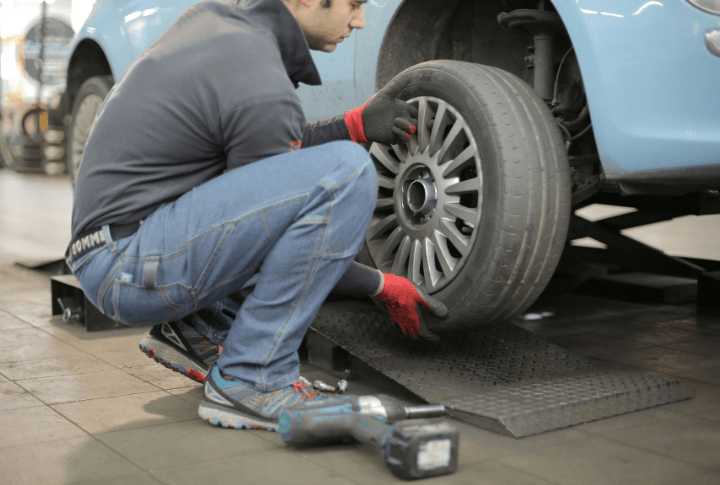
Fixing a flat tire at home is feasible, especially if the puncture is small. Locate the puncture and clean it out. Use a plug tool to insert a rubber plug to seal the hole. Finally, a portable air compressor is to be used to inflate the tire to the recommended pressure.
Replacing Brake Pads
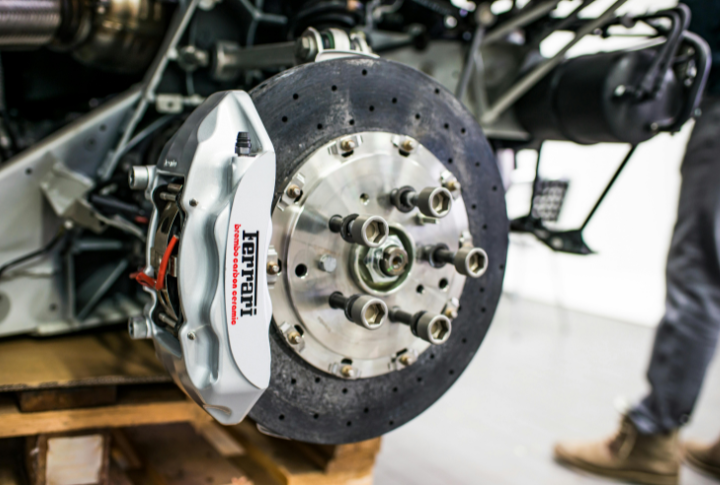
Brake pads wear out over time and can be replaced at home with some basic tools. After removing the wheel, locate the brake caliper, unscrew the bolts, and remove the old brake pads. Insert the new pads, reattach the caliper, and put the wheel back on.
Flushing the Radiator
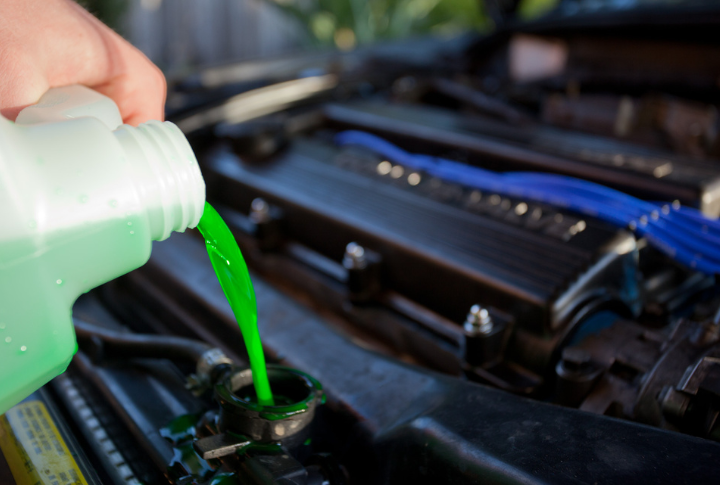
Over time, the coolant in your radiator can become contaminated, reducing its effectiveness. Flushing the radiator involves draining the old coolant, filling the system with a cleaning solution, and refilling it with fresh coolant. This helps prevent engine overheating and prolongs the life of your radiator.
Changing Spark Plugs
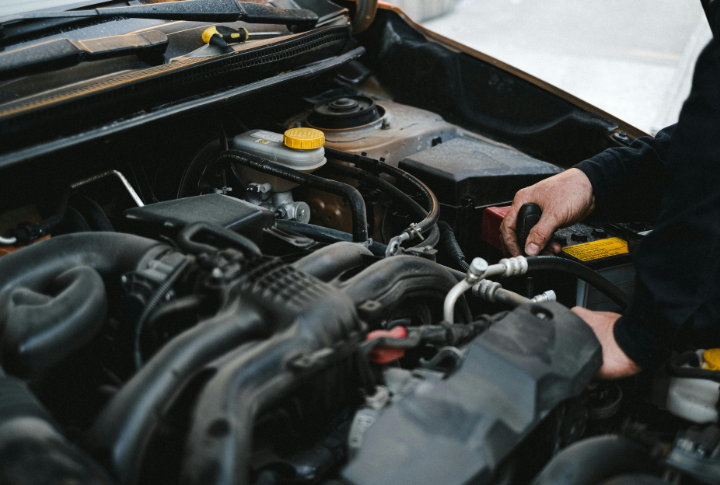
Spark plugs are located on top of the engine. If worn, they can reduce the fuel efficiency and performance of your engine. You can remove them using a spark plug socket. Once removed, simply screw in the new ones and reconnect the ignition wires.
Replacing the Fuel Filter
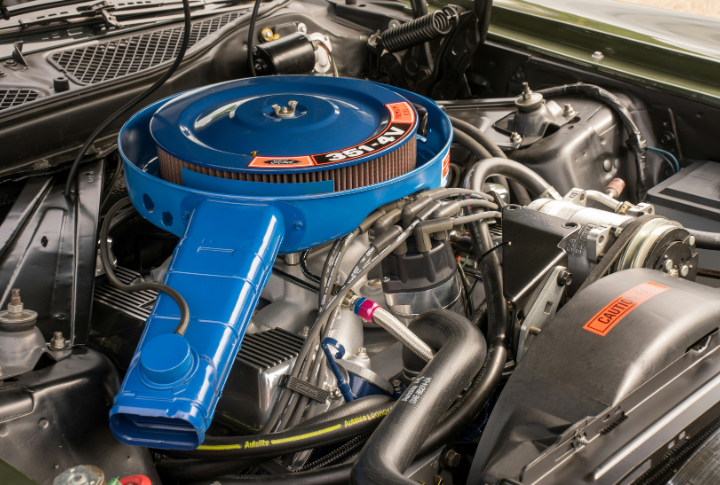
A clogged fuel filter can lead to poor engine performance. To replace it, locate the filter, usually under the car near the fuel tank or along the fuel line. After that, relieve the fuel pressure, remove the old filter, and attach the new one.
Replacing A Serpentine Belt
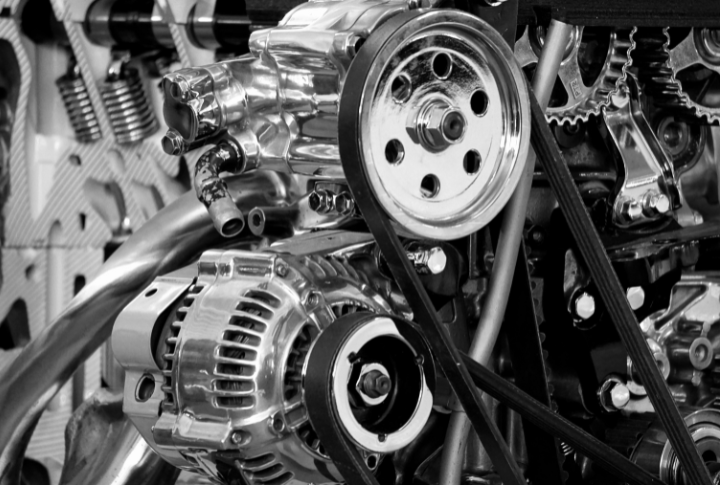
The serpentine belt powers the alternator and other engine components. You can replace this component when they wear out. Use a wrench to release tension from the belt tensioner and remove the old belt. Then, route the new belt according to your car’s diagram and tighten the tensioner.
Replacing Cabin Air Filters

First, locate the filter (usually behind the glove box or under the dashboard), remove the cover, and slide out the old filter. Insert the new one, making sure it’s facing the correct direction. This repair can improve air quality inside your car in just minutes.
Fixing Paint Scratches
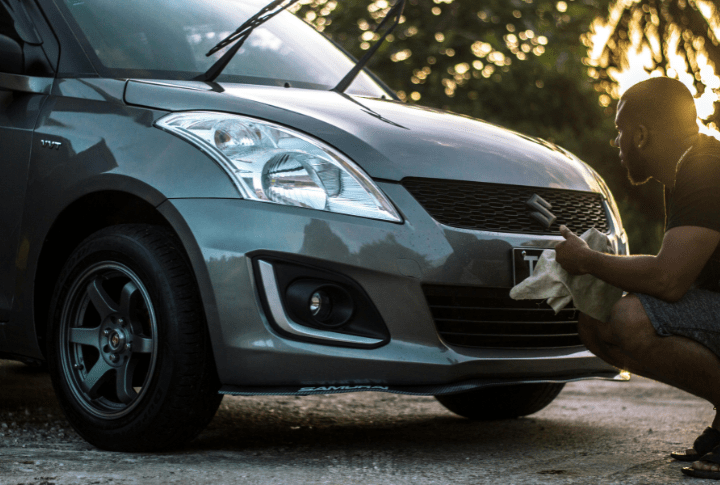
A scratch repair kit can help you fix minor scratches on your car’s paint at home. Start by cleaning the scratched area, then apply the paint from the kit using a fine brush or pen. Once it’s dry, buff the area to blend the new paint with the old.
Replacing Fuses
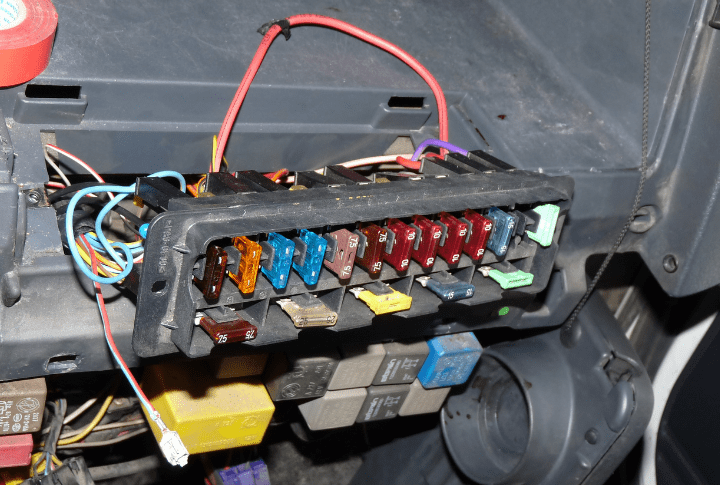
If an electrical component stops working, it might be due to a blown fuse. The fuse box is often located under the dashboard or in the engine compartment. Consult your car’s manual to identify the correct fuse, remove the damaged fuse, and replace it with one of the same amperage.
Replacing A Thermostat
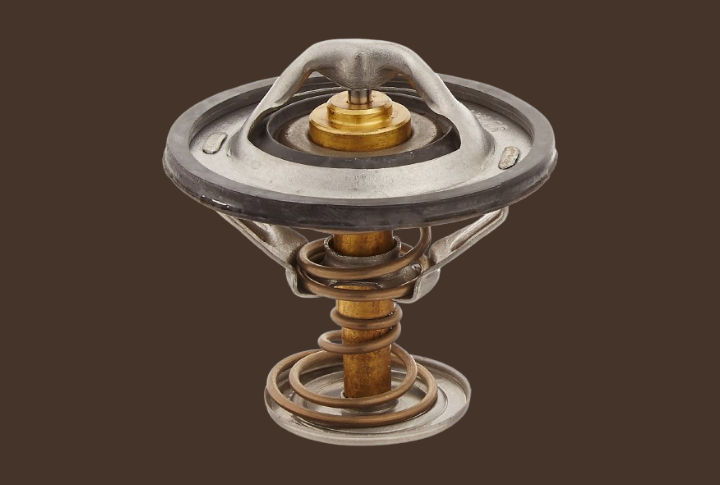
A faulty thermostat can cause your car’s engine to overheat or not reach the correct operating temperature. The thermostat controls the flow of coolant through the engine. Replacing it involves draining some coolant, removing the housing covering the thermostat, and swapping the old one for a new one.